

Best Coffee Blends for a Smooth Morning Routine
Table of Contents
- What Makes a Coffee Blend Smooth? Defining the Morning Cup
- Quick Comparison: Best Coffee Blends for a Smooth Morning Routine
- How to Choose the Best Breakfast Blend Coffee for Your Routine
- Smooth Coffee Blends: Roast Levels and Flavor Profiles Explained
- Low-Acid Coffee for Mornings: Gentle Options for Sensitive Stomachs
- How to Make Smooth Coffee at Home: Brewing, Grind, and Freshness
- Caffeine Guidance for Your Morning Routine
- Conclusion: Building a Smooth Morning Coffee Ritual
- Frequently Asked Questions
Last Updated: October 15, 2026
What Makes a Coffee Blend Smooth? Defining the Morning Cup
Smoothness in coffee is not a flavor but the absence of friction on the palate: low perceived acidity, controlled bitterness, and a rounded body.
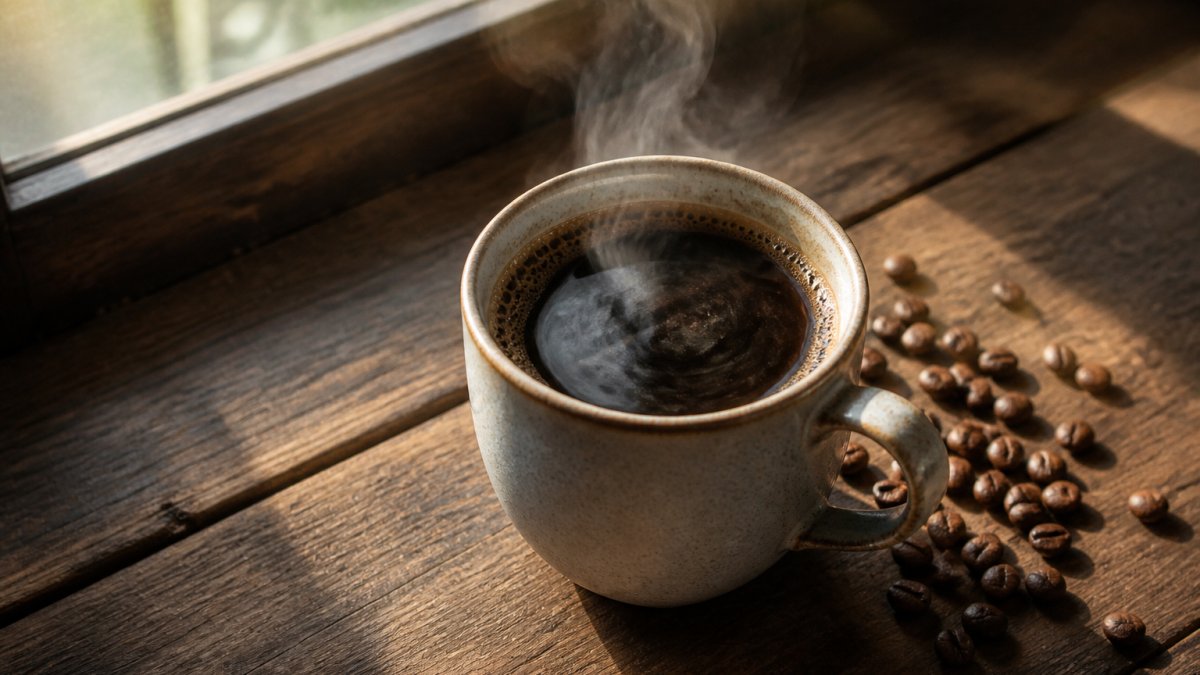
A list is only useful if you can predict whether a bag will taste smooth in your kitchen. Here is the repeatable definition and the criteria we apply to every blend we compare.
(/products/house-blend) categories.The Five Variables That Actually Change Perceived Smoothness
Roast level is only one lever. Five variables interact, and any one can turn a smooth blend harsh:
- Roast level: Time and heat break down chlorogenic acids and develop Maillard reaction products. Too light reads sour and thin; too dark gives char and ash. Medium tames acidity while keeping sweetness.
- Bean origin and blend composition: Washed Central and South American Arabicas cup clean and mild. Naturals and pulped naturals add fruit and body. Robusta adds caffeine and crema but a rubbery, bitter edge above roughly a quarter of the blend.
- Freshness: Coffee stales in weeks, not months. Beans lose aromatic compounds to oxidation and off-gas carbon dioxide, so a bag roasted three weeks ago can taste flat and papery regardless of the green coffee's quality.
How We Compare Blends: Our Tasting Criteria
We evaluate every blend the same way: brewed as a drip cup at a 1:16 coffee-to-water ratio with water just off boiling, tasted hot, warm, and at room temperature, and scored low-to-high on four things:
- Perceived acidity: Does it read as bright and pleasant, or as a sour bite?
- Bitterness: Is it in the background, or does it coat the back of the tongue?
- Body: Thin, medium, or full and syrupy?
A blend earns a "smooth" label only if it scores low on bitterness, moderate on acidity, and at least medium on body across all three temperatures, a stricter bar than "tastes good."
Quick Comparison: Best Coffee Blends for a Smooth Morning Routine
Every blend below is a medium or medium-forward roast at $23.99 per bag. Differences come down to flavor notes, caffeine level, and body.
| Blend | Roast Level | Flavor Notes | Best For |
|---|---|---|---|
| Breakfast Blend | Medium | Smooth South American cup | Everyday easy drinking |
| House Blend | Medium | Nutty, sweet chocolate, mild citrus | Consistent daily driver |
| Gourmet Donut Shop | Light-Medium | Cocoa, caramel, toffee, mild fruit | Stronger flavor, still smooth |
| Blonde | Light | Sweet, bright | Sweet espresso |
| Brazil Santos | Medium | Cocoa, elegant body | Single-origin drinkers |
| Peru | Medium | Salted caramel, silky sweet, citrus | Silk-like body seekers |
| Breakfast Blend + | Medium | Smooth cup, extra caffeine | Slow starters |
| Cowboy Blend | Dark and Medium | Cocoa, caramel, vanilla | Bold coffee fans |
How to Choose the Best Breakfast Blend Coffee for Your Routine
Start with your brew method, then caffeine need, then flavor preference. Method changes extraction more than most people expect, and the best breakfast blend coffee for a drip machine is not automatically best for a French press.

Ask yourself three questions:
- Do you drink it black or with milk? Milk mutes acidity, so a brighter blend still reads smooth with cream.
- How much caffeine do you want before 9 a.m.? Standard blends suit most people; a Robusta-added blend suits those who need more.
- Do you want the same cup every day, or variety? A house blend delivers consistency; rotating single origins delivers discovery.
For a dependable daily cup, the House Blend is our pick: a medium roast of Central and South American coffees with nutty, sweet chocolate, and mild citrus notes, clean and consistent bag after bag.

Smooth Coffee Blends: Roast Levels and Flavor Profiles Explained
Roast level controls how much of the bean's original acidity survives the roaster. More time at heat breaks down acids and builds bitterness, so smooth coffee blends usually sit in the light-to-medium range.
Flavor notes follow the same curve. Light roasts keep floral, citrus, and fruit character; medium roasts trade some for cocoa, caramel, and nutty tones; dark roasts push into smoke and dark chocolate, with body rising and acidity falling.
Light, Medium, and Dark Roast: Which Is Smoothest?
Medium roast is the smoothest starting point for most drinkers, keeping enough acidity to taste alive while suppressing the sour edge of a light roast and the char of a dark one.
- Light roast: Bright and floral, higher acidity, best for pour-over and those who like citrus and jasmine notes
- Medium roast: Balanced, medium body, gentle acidity, the safest choice for a smooth daily coffee
- Dark roast: Bold and low-acid, heavier body, but bitterness rises if the roast is pushed too far
The Gourmet Donut Shop sits at light-medium, showing that zone's range: cocoa, caramel, toffee, and mild fruit, with more punch than a lighter breakfast blend while staying balanced.

Low-Acid Coffee for Mornings: Gentle Options for Sensitive Stomachs
Low-acid coffee for mornings means choosing a roast and bean that produce less stomach irritation, not a chemically altered product. Darker roasts and certain origins carry lower acidity naturally, and cold brew reduces it further.
Two practical routes exist. The first is a darker roast: the Cowboy Blend combines dark and medium roasted coffees for cocoa, caramel, and vanilla tones with a gentler acid profile. The second is a naturally sweet, low-acid single origin: the Brazil Santos, an elegant, smooth cup with cocoa notes, grown in Parana and Sao Paulo at 750 to 1,050 meters and pulped natural before sun drying.
How to Make Smooth Coffee at Home: Brewing, Grind, and Freshness
Great beans still produce a harsh cup if the grind is wrong or the water too hot. Making smooth coffee at home means controlling grind size, water temperature, and contact time. Get those right and a medium roast tastes sweeter and rounder than the same beans brewed carelessly.
The Three Controls That Matter Most
- Grind size: Match it to your method. Too fine and the cup turns bitter; too coarse and it turns sour and thin.
- Water temperature: Just off boiling, around 195 to 205 degrees Fahrenheit. Boiling water scorches the grounds.
- Ratio: Start with roughly 1 to 2 tablespoons of coffee per 6 ounces of water, then adjust to taste.
Freshness, Storage, and Grind: Protecting the Smooth Cup
Smoothness starts degrading the day beans are roasted. A few habits preserve it:
- Buy by roast date, not best-by date. A best-by date says nothing about roasting. Look for a printed roast date and brew within two to four weeks of it.
- Store whole beans in an airtight, opaque container at room temperature, away from the stove, window, and freezer door. Heat, light, and moisture are the enemies.
- Skip the freezer for daily-use beans. Condensation each time you open the bag accelerates staling. Freeze only sealed bags stored over a month, and thaw fully before grinding.
Brew-Method-Specific Tips for a Smoother Cup
Each method rewards a different approach. The table below pairs each method with the grind, ratio, and blend style that produce the smoothest cup.
| Method | Grind | Ratio (coffee:water) | Time | Blend Style That Shines |
|---|---|---|---|---|
| Drip machine | Medium | 1:16 | 4-6 min | Medium roast, nutty or chocolatey |
| French press | Coarse | 1:15 | 4 min steep | Medium to medium-dark, full body |
| Pour-over | Medium | 1:16 | 2.5-3.5 min | Light-medium, sweet and clean |
| Espresso | Fine | 1:2 | 25-30 sec | Sweet-leaning medium or light |
| Cold brew | Coarse | 1:8 concentrate | 12-18 hr | Medium or medium-dark, low acid |
A few method-specific notes:
- French press: Use a coarse grind and a four-minute steep, then press slowly. This method keeps oils, producing a heavier, silkier cup. A medium-dark blend like the Cowboy Blend leans into that body without turning bitter.
- Pour-over: Medium grind, a slow spiral pour, and a brief bloom with hot water before the main pour. The bloom releases carbon dioxide so the water can extract evenly. A light-medium blend like the Gourmet Donut Shop keeps its cocoa and caramel sweetness here.
- Espresso: A fine grind and a sweet-leaning blend. The Blonde is a sweet blend from Central America and Africa built for sweet espresso.
Caffeine Guidance for Your Morning Routine
Caffeine content tracks the bean, not just the roast. Robusta carries noticeably more caffeine than Arabica, so blends with Robusta hit harder. Most of our blends are Arabica, with one clear exception.
The Breakfast Blend + is our House Breakfast Blend with Robusta added for extra caffeine. If you want the same smooth South American profile as the standard Breakfast Blend but a stronger lift, that is the one to choose.
A few practical habits keep caffeine working for you:
- Drink your first cup after you have been awake for an hour, not immediately on waking.
- Keep total intake moderate through the morning rather than stacking cups back to back.
- Switch to decaf or a lighter cup after early afternoon so it does not affect sleep.
- If you are pregnant, nursing, or managing a heart condition, follow your doctor's guidance on caffeine limits.
Conclusion: Building a Smooth Morning Coffee Ritual
The smoothest morning cup comes from matching three things: a medium or medium-forward roast, a grind and brew method that suit each other, and a caffeine level that fits how you wake up.
If you want that alignment handled for you, Cafe de Mattier roasts in small batches from micro-lots and family-owned estates, using a French-inspired slow-roast method that produces complexity, floral notes, and a silk-like body.
Frequently Asked Questions
What coffee blend is smooth and not bitter?
Medium roast blends from Central and South America tend to be smooth and low in bitterness. Look for tasting notes like nutty, sweet chocolate, or mild citrus. Cafe de Mattier's House Blend is a medium roast with a medium body and a clean bright finish. Avoid dark roasts if bitterness is your concern, as longer roasting develops more intense, bitter compounds.
Are breakfast blends good for a morning routine?
Yes. Breakfast blends are designed to be balanced and easy-drinking, making them ideal for a smooth morning coffee. They typically use medium-roasted beans from South America, which offer a mild flavor profile and moderate caffeine. Cafe de Mattier's Breakfast Blend is a medium roast with a smooth blend of South American coffees, priced at $23.99.
What roast is smoothest for morning coffee?
Medium roasts are generally the smoothest for morning coffee. They balance acidity and body without the bitterness that can come from dark roasting. Light roasts can be bright and acidic, while dark roasts often taste smoky or bitter. A medium roast like Cafe de Mattier's Brazil Santos offers an elegant, smooth cup with cocoa notes.
How do I make my morning coffee taste less bitter?
Start with a medium roast blend, grind your beans just before brewing, and use water between 195°F and 205°F. Over-extraction causes bitterness, so aim for a 1:15 to 1:17 coffee-to-water ratio. If you use a French press, steep for 4 minutes. For drip, keep the brew cycle under 6 minutes. Freshness matters too: store whole beans in an airtight container away from light.