

Best Light Roast Coffee: A 2026 Guide
Table of Contents
- Understanding Light Roast Coffee: Roast Levels Explained
- Light Roast vs Dark Roast Flavor Profile: What Sets Them Apart
- Flavor Profiles and Tasting Notes in Light Roasts
- Single-Origin vs. Blends: Finding Your Preference
- How to Brew Light Roast Coffee for Optimal Clarity
- Our Top Light Roast Selections
- Storage and Freshness: Preserving Your Light Roast
- Conclusion
Last Updated: August 20, 2026
Understanding Light Roast Coffee: Roast Levels Explained
Light roast coffee is often misunderstood, many assume lighter roasts are weaker, but they actually preserve origin characteristics and complexity that darker roasts obscure. Light roasts are removed from heat before the first crack, preserving the bean's acidity and brightness while allowing floral, fruity, and tea-like notes to emerge.
Cafe de Mattier's slow-roast techniques develop flavor gradually, allowing natural characteristics of micro-lots and family-owned estates to shine through. Understanding roast levels matters because light roasts demand different water temperature, grind consistency, and extraction time than dark roasts. Brewing at the wrong temperature creates sourness rather than brightness.
Light Roast vs Dark Roast Flavor Profile: What Sets Them Apart
Dark roasts develop through extended heat exposure that caramelizes sugars and breaks down acids, creating bold, smoky flavors. Light roasts preserve the bean's origin story, altitude, processing method, and growing conditions remain detectable in the cup.
Light roast coffee exhibits higher acidity, which in specialty coffee means brightness and liveliness rather than sourness. This creates a clean finish and allows delicate flavors to register. Dark roasts mask these nuances under layers of roast character: chocolate, caramel, and smokiness dominate regardless of origin.
The body also differs significantly. Light roasts tend toward tea-like or syrupy bodies, while dark roasts feel heavier. This lighter body allows flavors to move across your palate more freely, revealing the complexity that careful sourcing creates. If you want to taste the specific terroir of Ethiopian Sidama beans, light roast is the only option. Dark roasting would erase those distinctions.
Flavor Profiles and Tasting Notes in Light Roasts
Light roast coffee delivers a range of flavor experiences. Tasting notes like berry, citrus, and floral aren't added flavoring; they're natural compounds that develop during growth, processing, and roasting.

Single-origin light roasts from different regions produce distinctly different profiles. Ethiopian light roasts showcase fruity and floral characteristics, blueberry, strawberry, jasmine. Kenyan coffees tend toward black currant and berry notes with bright acidity. Central American light roasts often present chocolate and nutty undertones balanced with citrus brightness.
The processing method significantly influences flavor. Natural process coffees develop more pronounced fruity and wine-like notes. Washed coffees tend toward cleaner, brighter profiles with more distinct origin characteristics. Honey process coffees offer a middle ground with both sweetness and clarity.
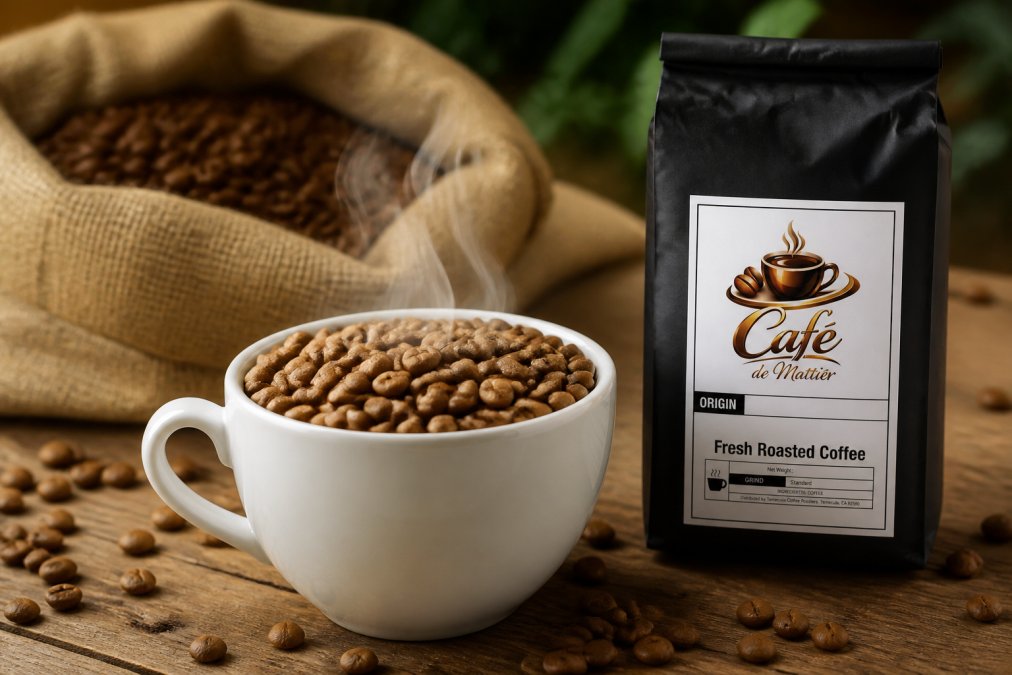
Understanding tasting notes helps identify which light roast will suit your preferences. If you enjoy bright, acidic flavors with fruit-forward profiles, Ethiopian or Kenyan single-origins deliver that experience. If you prefer balanced, chocolatey notes with mild acidity, light roasts from Uganda or Central America may resonate more.
Single-Origin vs. Blends: Finding Your Preference
Single-origin light roast coffee comes from a specific geographic location, sometimes a single farm or micro-lot. Blends combine beans from multiple origins, creating balanced flavor profiles that emphasize certain characteristics.
Single-origin coffees shine when the origin has distinctive flavor characteristics worth highlighting. A single-origin light roast from Tanzania showcases that region's natural processing style and altitude-driven complexity. The downside is variability, harvest conditions and processing variations influence the final cup.
Blends offer consistency and balance. A light-medium blend can combine the brightness of a lighter roast with the body and sweetness of a medium roast. Cafe de Mattier's single-origin offerings like Ethiopia Natural and Tanzania allow you to experience specific terroirs, while the Gourmet Donut Shop blend combines multiple origins to create a balanced light-medium profile.

Your choice depends on what you value. If exploring flavor diversity excites you, single-origins offer endless discovery. If you prefer knowing exactly what to expect, a well-crafted blend provides consistency while delivering the brightness of light roast coffee.
How to Brew Light Roast Coffee for Optimal Clarity
Brewing light roast coffee correctly is essential because delicate flavors are easily lost through improper technique. The goal is extraction, dissolving the right compounds into your water, without over-extraction, which creates sourness.
Water temperature matters more with light roasts. Aim for 195-205°F. Water below 190°F under-extracts, leaving your cup sour and thin. Water above 210°F over-extracts, pulling out excessive bitter compounds. Many coffee enthusiasts invest in a gooseneck kettle with temperature control.
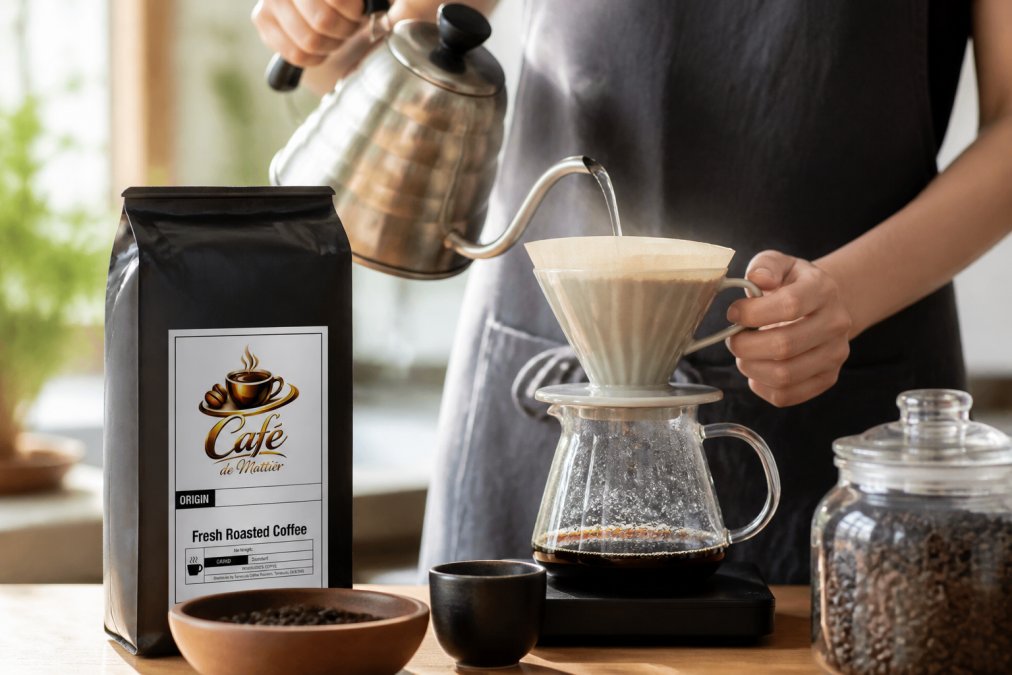
Grind consistency is equally critical. Light roast coffee requires a medium-fine grind, finer than French press but coarser than espresso. Pour-over demands a grind that allows water to flow through in 2.5-4 minutes. Too fine and water stalls, creating over-extraction. Too coarse and water rushes through, leaving your cup weak.
The bloom phase, the initial 30-45 seconds when you saturate the grounds, matters significantly. During the bloom, CO2 escapes, allowing water to penetrate more evenly. Skipping the bloom reduces clarity and introduces sourness.
Brew ratio should be around 1:16 (one part coffee to 16 parts water) as a starting point. Adjust based on taste preference. For light roast coffee, many prefer ratios closer to 1:15 or 1:14 to emphasize complexity.
Pour-over methods like Chemex, V60, and Kalita Wave work beautifully with light roast coffee because they allow precise control over water temperature and flow rate. French press can work but tends to over-extract due to prolonged contact. If using French press, reduce brew time to 3-3.5 minutes and use a coarser grind.
Our Top Light Roast Selections
Ethiopia Natural: Fruity Complexity with Chocolate Notes
Ethiopia Natural preserves origin character through medium-light roasting. This coffee comes from smallholder farmers in the Sidama zone, one of the world's premier coffee-growing regions. The natural processing method creates the fruity, wine-like complexity this origin is famous for.
The tasting profile emphasizes milk chocolate, fruity notes, and caramel sweetness. The balance lets you experience the brightness of light roast coffee without sacrificing body or sweetness. Indigenous heirloom cultivars grown at 1,700-1,900 meters develop the complexity sought by specialty roasters worldwide.
Brew Ethiopia Natural with a pour-over method to highlight its floral and fruity characteristics. The clean finish lets the caramel sweetness and chocolate notes register fully. At $23.99, Ethiopia Natural delivers complexity and origin character.
Tanzania: Floral Brightness with Delicate Fruit Clarity
Tanzania delivers refined elegance. This medium-light roast comes from small cooperative farmers in the Mbeya region, grown at 1,200-1,900 meters where altitude and volcanic soil create distinctive flavor compounds.

The fully washed processing creates the clean, bright profile this origin is known for. Tasting notes include pear, floral, jasmine, and strawberry. The Bourbon and Kent varieties develop the acidity and complexity that make this light roast coffee compelling.
What sets Tanzania apart is clarity, each flavor note registers distinctly. The floral character comes through as genuine jasmine, not a hint. This light roast coffee pairs beautifully with filter brewing methods. At $23.99, Tanzania offers remarkable value for a single-origin light roast with this level of clarity.
Uganda: Balanced Body with Mild Acidity
Uganda bridges fruity intensity and floral refinement. This light roast comes from the Sipi region of Kapchorwa District, grown at 1,500-2,500 meters where volcanic soil creates balanced flavor development.
The fully washed and sun-dried processing creates a clean cup with mild acidity. Tasting notes emphasize floral characteristics, chocolate, and dark fruits. The Bourbon, SL14, SL28, and Blue Mountain varietals develop sweetness and body that make this light roast approachable for drinkers transitioning from medium roasts.
The balance is key, you get brightness and clarity without sharp acidity. The chocolate and dark fruit notes provide familiar comfort while floral character adds sophistication. The body sits between Tanzania's delicate mouthfeel and Ethiopia's fuller sweetness, making it versatile across brewing methods. At $23.99, Uganda represents exceptional value.
Gourmet Donut Shop: Accessible Light-Medium Blend
Gourmet Donut Shop exists for those seeking a balanced, approachable blend that delivers the brightness of light roast coffee with the familiarity of medium roast characteristics.
This light-medium roast blend emphasizes cocoa, caramel, toffee, and mild fruit notes. The blend approach balances the acidity and clarity of light roast coffee with the body and sweetness many drinkers expect. The result is a perfectly balanced morning coffee that's neither too delicate nor too bold.
Gourmet Donut Shop works with any brewing method. Pour-over highlights caramel and toffee sweetness. French press emphasizes fuller body. Automatic drip produces a satisfying, consistent cup. For busy professionals who value premium quality without needing precision brewing expertise, Gourmet Donut Shop delivers sophistication. At $23.99, this blend offers remarkable value as an entry point.
Storage and Freshness: Preserving Your Light Roast
Light roast coffee is more sensitive to staleness than darker roasts because delicate flavors fade quickly. Proper storage is essential to preserving the complexity and brightness you paid for.
Whole beans remain fresher longer than pre-ground coffee. Grinding exposes far more surface area to oxygen, accelerating oxidation. If you have the equipment, grind immediately before brewing. If not, grind immediately after opening and use within two weeks.
Store whole beans in an airtight container away from heat, light, and moisture. A sealed bag with a one-way degassing valve works well for short-term storage, typically two to three weeks after roasting. Never refrigerate or freeze coffee, as temperature fluctuations and moisture damage the beans.
Freshness matters more with light roast coffee than any other roast level. Floral, fruity, and bright characteristics fade within 4-6 weeks of roasting. By 8 weeks, even properly stored light roast coffee tastes flat and dull. Light roasts degas faster than dark roasts, meaning they're ready to brew sooner but stale faster. Plan to use light roast coffee within 3-4 weeks of the roast date for optimal flavor.
Cafe de Mattier's small-batch approach means your light roast coffee reaches you fresh. The roast date appears on every bag, allowing you to track freshness and adjust brewing as beans age.
Choosing the best light roast coffee means understanding your preferences, sourcing from roasters who prioritize freshness and origin character, and brewing with attention to variables that extract clarity and complexity. Cafe de Mattier's single-origin selections and thoughtfully crafted blends deliver the sophistication that defines exceptional light roast coffee. Subscribe to their emails to discover new micro-lots and family-owned estates, and experience how slow-roast tradition creates balanced masterpieces that transform your morning ritual.
| Coffee | Roast Level | Tasting Profile | Best For | Origin |
|---|---|---|---|---|
| Ethiopia Natural | Medium-light | Milk chocolate, fruity, caramel | Exploring fruity complexity | Sidama Zone, Ethiopia |
| Tanzania | Medium-light | Pear, floral, jasmine, strawberry | Appreciating floral clarity | Mbeya Region, Tanzania |
| Uganda | Light | Floral, chocolate, dark fruits | Balanced approachability | Sipi, Kapchorwa District, Uganda |
| Gourmet Donut Shop | Light-medium | Cocoa, caramel, toffee, mild fruits | Accessible daily brewing | Blend |
Frequently Asked Questions
What is the best brewing method for light roast coffee?
Pour-over and filter coffee methods excel with light roast because they preserve clarity and brightness. The slower extraction rate allows delicate floral and fruity notes to shine. Use a 1:16 brew ratio (one part coffee to sixteen parts water), maintain water temperature between 195-205°F, and aim for a grind consistency similar to sea salt. These methods highlight the complexity that defines quality light roast coffee.
How does light roast coffee differ in flavor profile compared to dark roast?
Light roasts retain more origin characteristics, delivering bright acidity, fruity notes, and floral complexity. Dark roasts develop deeper body and smoky, caramelized flavors that mask origin nuances. Light roasts showcase the altitude, processing method, and terroir of the beans, while dark roasts emphasize roast profile. If you want to taste the specific qualities of single-origin beans, light roast is superior.
How should I store light roast coffee to maintain freshness?
Store whole beans in an airtight container away from direct sunlight, heat, and moisture. Light roasts degas faster than darker roasts, so use beans within 2-3 weeks of the roast date for peak flavor. Avoid refrigeration, which introduces moisture. Grind immediately before brewing to preserve aroma and brightness. Proper storage prevents the sourness that develops in stale beans and maintains the delicate tasting notes.
Is light roast coffee less acidic than dark roast?
Light roasts have higher acidity in terms of pH and bright, tangy flavor notes, but this is desirable acidity that creates clarity and complexity. Dark roasts have lower acidity because extended roasting neutralizes acids. If you're sensitive to stomach acidity, brewing method and water chemistry matter more than roast level. Proper extraction and quality water chemistry can reduce perceived sourness in any roast.
This article was written using GrandRanker