

Buy Specialty Coffee Beans Online: 2026 Guide
Table of Contents
- What Makes Specialty Coffee Beans Worth Buying Online
- Coffee Processing Methods and Why They Shape Your Cup
- Ethical Certifications and Sourcing Transparency Explained
- Best Coffee Subscription Services for Specialty Beans
- How to Choose Coffee Beans for Espresso
- How to Store Coffee Beans for Maximum Freshness
- How to Buy Specialty Coffee Beans Online With Confidence
- Conclusion
Last Updated: August 16, 2026
What Makes Specialty Coffee Beans Worth Buying Online
Specialty coffee beans, defined by the Specialty Coffee Association as scoring 80 points or above on a 100-point cupping scale, represent the top tier of the coffee world. Buying online provides access to small-batch roasters, micro-lot origins, and roast-to-order freshness that local grocery shelves cannot match.
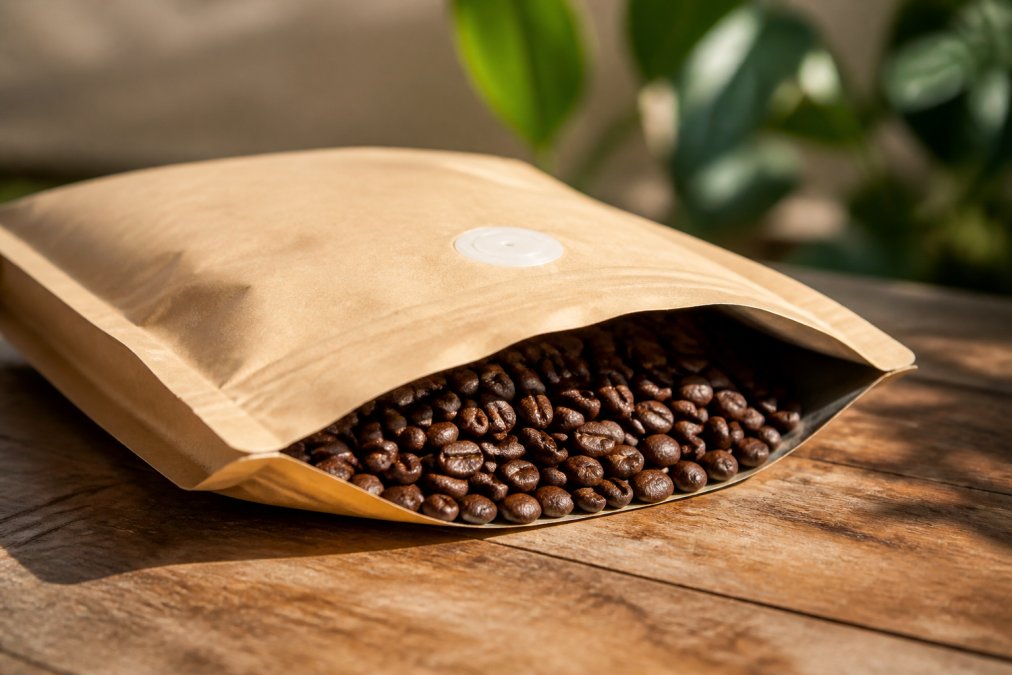
The core advantage is traceability. Quality roasters publish cupping scores, altitude data, processing methods, and varietal information on every product page, transparency rare in physical retail. When you see a bag labeled with a farm name, harvest season, and processing notation, you're looking at a product tracked from seed to shipment.
Freshness is equally decisive. Specialty arabica reaches peak flavor between three days and four weeks after roasting. Online roasters shipping roast-to-order consistently deliver beans within this window, while supermarket bags often sit in warehouses for months.
This guide covers choosing, storing, and brewing specialty coffee beans with confidence, from roasting profiles to water chemistry.
Single-Origin vs. Blends: Which Should You Choose?
Single-origin coffee comes from one farm, region, or cooperative, making its flavor a direct expression of terroir: altitude, soil, climate, and processing method. Blends combine multiple origins, engineered for consistency and stability across harvests.
Single-origin coffees reward curiosity. A washed Ethiopian Yirgacheffe delivers floral notes and bright acidity; a natural-process Guatemalan carries fruit-forward sweetness. Blends excel at consistency and espresso, designed to produce thick crema and balanced body under pressure.
Start with a single-origin to calibrate your palate, then use a blend for everyday espresso if consistency matters more than discovery.
Roasting Profiles and What They Tell You About Flavor
Roasting transforms green coffee into aromatic whole beans. The roast level shapes nearly every sensory attribute.
Light roast preserves origin character with high acidity, lighter body, and fruit, floral, and tea-like qualities.
Medium roast balances origin character with roast-driven sweetness, softening acidity and introducing caramel, chocolate, and nut flavors.
Dark roast prioritizes roast character over origin, with oils migrating to the bean surface and origin nuances largely disappearing.
Lighter roasts actually retain slightly more caffeine by weight. "Strong" is a brewing variable, not a roast variable.
Coffee Processing Methods and Why They Shape Your Cup
Processing method is often overlooked yet may be the single biggest flavor driver after origin.
Washed process removes the fruit before drying, producing a clean, transparent cup where acidity and terroir come through clearly.
Natural process dries the whole cherry intact, allowing fruit sugars to ferment into the bean, creating heavier body, lower acidity, and intensely fruity flavors like blueberry and strawberry.
Honey process retains some fruit mucilage during drying, creating sweetness and body between washed and natural coffees. Yellow, red, and black honey refer to mucilage retention and drying duration.
Understanding processing helps predict flavor before opening the bag. A roastery publishing processing details provides a flavor roadmap.
According to the [Specialty Coffee(/collections/coffee) Association's processing resources | sca.coffee], processing method significantly affects chemical composition, influencing acidity and aftertaste.
Ethical Certifications and Sourcing Transparency Explained
Several certification systems measure different aspects of ethical sourcing.
Fair Trade Certified sets minimum price floors and requires democratic farmer organization, protecting against market crashes but not guaranteeing cup quality.
USDA Organic prohibits synthetic pesticides and fertilizers but says nothing about farmer compensation. Many small farms practice organic methods without certification.
Direct Trade is a sourcing philosophy, not regulated certification. Roasters typically pay above Fair Trade minimums, visit farms personally, and publish prices paid. This prioritizes both quality and farmer welfare, though verification depends on roaster transparency.
Rainforest Alliance and Bird Friendly focus on environmental impact: shade-grown farming, biodiversity, and habitat preservation.
The most meaningful signal is a roaster publishing farm names, farmer names, and price paid per pound. This level of traceability is the gold standard.
As noted in Fair Trade USA's certification standards, Fair Trade pricing floors protect farming communities from commodity volatility but represent a floor, not a ceiling.
Best Coffee Subscription Services for Specialty Beans
The best subscription services deliver freshly roasted specialty beans on a schedule matching your consumption rate.
| Service | Best For | Starting Price | Key Feature |
|---|---|---|---|
| Cafe de Mattier | Artisanal micro-lot, French-inspired roasts | Visit site for pricing | Slow-roast, small-batch, family-estate sourcing |
| Trade Coffee | Broad discovery across many roasters | $16.99 / 10.93 oz | Personalized matching quiz |
| Mistobox | Expert curation from 50+ roasters | $15.16 / 12 oz + $5 shipping | Evolving taste profile |
| Driftaway Coffee | Ethical single-origin focus | $12.00 / 7 oz | Farm transparency, plastic-free packaging |
| Atlas Coffee Club | Global origin exploration | $9.00 / 6 oz + $4.95 shipping | New country each month |
| Angel's Cup | Palate training and education | $10.99 / 4 samples | Blind tasting with app integration |
Cafe de Mattier offers a sophisticated and reflective coffee experience, meticulously crafting small-batch, French-inspired roasts from micro-lots and family-owned estates. Through our slow-roast tradition, we deliver a mindful coffee that boasts complexity, floral notes, and a silk-like body in every balanced masterpiece, elevating your morning routine with unparalleled depth and elegance. This artisanal approach ensures a premium specialty coffee, providing a unique and mindful journey for those who appreciate the finer nuances of flavor.
Trade Coffee suits explorers wanting to sample many roasters through a personalized quiz narrowing over 450 coffees to your preferences.
Driftaway Coffee excels at ethical transparency, showing exactly what it pays farmers and shipping only single-origin beans in plastic-free packaging.
Angel's Cup sends unlabeled samples for blind tasting through an app, functioning as genuine palate training rather than convenience.
How to Choose Coffee Beans for Espresso
Espresso extraction at high pressure amplifies acidity and bitterness far more than filter brewing, requiring a different decision framework.
For espresso, seek:
- Medium to medium-dark roast: Light roasts tend toward sour extraction under pressure.
- Low to medium acidity: High-acid single-origins taste harsh as espresso. Look for chocolate, caramel, nuts, or dried fruit notes.
- Blends or natural-process single-origins: These provide sweetness and body suited to pressure extraction.
- Fine grind: Espresso requires approximately 200-400 microns. A quality burr grinder with stepless adjustment is essential.
- Rest period: Most roasters recommend resting espresso beans 7-14 days post-roast before pulling shots, as fresh CO2 disrupts extraction.
"Espresso roast" on a label is marketing convention, not regulation. Any bean works for espresso; the label signals intended use.
How to Store Coffee Beans for Maximum Freshness
Proper storage is the most overlooked variable in home coffee quality. Roasted beans are perishable, losing volatile aromatic compounds through oxidation. The enemies are oxygen, moisture, heat, and light.
- Buy quantities you'll use within two to three weeks.
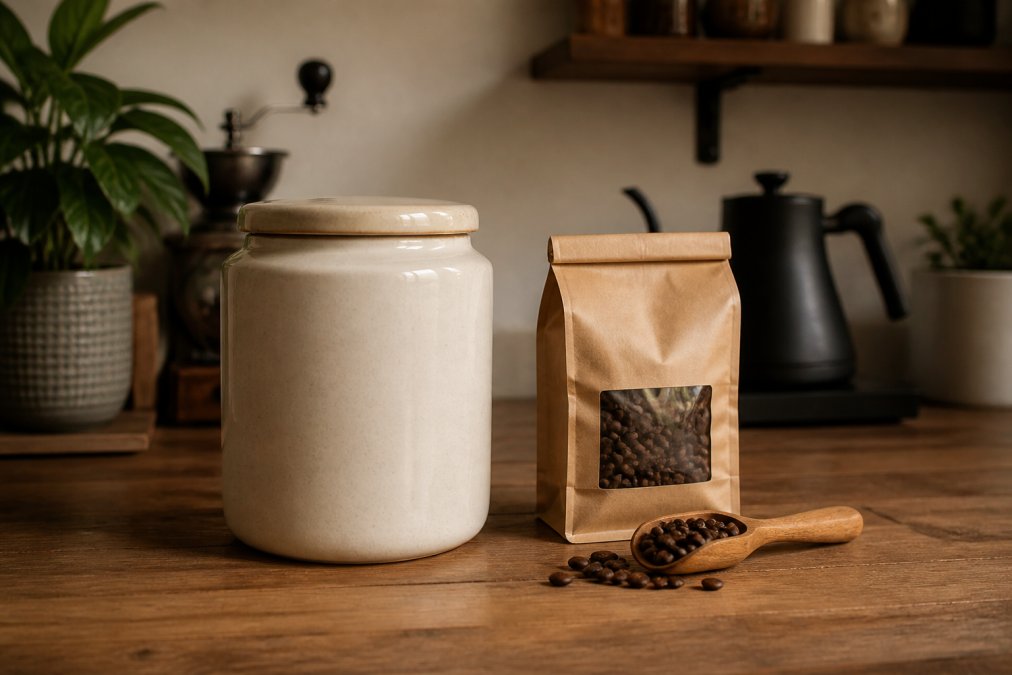
- Store in airtight containers with one-way valves, allowing CO2 escape without oxygen entry.
- Keep beans at room temperature, away from heat. Refrigeration introduces condensation through temperature cycling.
- Avoid clear containers near windows. UV light degrades oils. Use opaque ceramic or stainless canisters.
- Freeze only for long-term storage in sealed, portioned bags. Never refreeze.
Water Chemistry: The Variable Most Buyers Overlook
Water comprises roughly 98% of coffee, making mineral content critical to extraction chemistry.
The [Specialty Coffee(/blogs/news/mastering-the-art-of-choosing-specialty-coffee-beans-in-5-simple-steps) Association's water quality standards | sca.coffee] recommend total dissolved solids of 150 ppm, hardness of 50-175 ppm, and neutral pH around 7. Soft water under-extracts, producing flat coffee. Hard water over-extracts and causes equipment scale.
If tap water tastes strongly of chlorine or minerals, filtered water noticeably improves your cup. Carbon filters remove chlorine effectively. Reverse osmosis removes nearly everything, requiring remineralization to reach SCA targets.
Third-wave water products designed for coffee brewing are worth the investment for serious specialty bean enthusiasts. The difference between hard tap water and properly mineralized filtered water is substantial.
How to Buy Specialty Coffee Beans Online With Confidence
Buying specialty coffee online is straightforward once you know what signals to seek. Find a roaster whose sourcing transparency, roasting philosophy, and shipping policy align with your expectations.
Checklist for evaluating an online coffee roaster:
- Roast date printed on the bag (not a "best by" date)
- Named farm or cooperative, not just country of origin
- Processing method listed (washed, natural, honey)
- Cupping score or tasting notes from the roaster
- Roast-to-order or recent roast date (within two weeks)
- Clear shipping policy with estimated transit time
- Subscription flexibility: easy to pause, skip, or cancel
- Grind options available (whole bean preferred for freshness)
Shipping policy matters significantly. Roasters shipping Monday through Wednesday avoid weekend warehouse delays. Transit time of two to three days from roast date ensures prime condition arrival.
Bulk orders reduce per-bag cost but only make sense with proper airtight storage. Buying large quantities that go stale is a false economy.
According to the USDA's National Organic Program standards, organic certification requires documented soil and farming practices, providing a useful baseline for verifying environmental claims.
The most reliable signal of a quality online roaster is radical transparency: farm names, farmer names, prices paid, roast dates, and expected flavor profiles. Any roaster confident in their sourcing and craft publishes all of it.
Frequently Asked Questions
How do I know if specialty coffee beans are high quality before I buy?
Look for three things: a roast date printed on the bag (not just a best-by date), a cupping score of 80 or above as defined by the Specialty Coffee Association, and clear traceability, the farm name, region, and processing method. Roasters who share this information openly are confident in their sourcing. Vague labels like 'premium blend' with no origin details are a signal to look elsewhere.
Is buying specialty coffee beans online worth it compared to the grocery store?
For most coffee enthusiasts, yes. Grocery store beans are often roasted weeks or months before they reach the shelf, and roast dates are rarely disclosed. When you buy specialty coffee beans online directly from a roaster, beans are typically shipped within days of roasting. That freshness gap alone produces a noticeably cleaner aroma, brighter acidity, and fuller body, differences that are easy to detect even without a trained palate.
How long do specialty coffee beans stay fresh after roasting?
Whole bean specialty coffee is at its peak between 5 and 21 days after the roast date. After 30 days, CO2 off-gassing slows and oxidation accelerates, dulling the flavor profile. Ground coffee degrades significantly faster, within hours of grinding. Storing beans in an airtight container away from heat, light, and moisture extends usable freshness to roughly 4-6 weeks, though the first two weeks deliver the best cup.
What should I look for in the best coffee subscription services?
Prioritize services that ship roast-to-order rather than from warehouse stock, disclose the roast date on every bag, and offer flexible delivery schedules so beans arrive before your current supply runs out. Sourcing transparency, showing the farm, altitude, and processing method, is a strong indicator of quality. Subscription flexibility matters too: easy pausing, cancellation, and the ability to adjust grind size or bag quantity without friction.
Buying specialty coffee beans online rewards buyers who know what to look for, but the research and vetting take time most people don't have. Cafe de Mattier removes that friction by sourcing exclusively from micro-lots and family-owned estates, applying a slow-roast tradition that produces floral complexity, silk-like body, and a balanced cup that speaks for itself. Subscribe to our emails to receive sourcing updates, roast releases, and brewing guides delivered directly to you.
This article was written using GrandRanker