

Premium Coffee Brands: A 2026 Guide to Artisanal Beans
Table of Contents
- What Makes a Coffee Brand Premium in 2026?
- How We Evaluated These Best Specialty Coffee Roasters
- Single-Origin and Micro-Lot Beans from Premium Coffee Brands
- Blends and Barrel-Aged Options for Every Palate
- Coffee Subscription Services and Sample Packs
- How to Brew Specialty Coffee at Home
- Sustainability, Storage, and Price-per-Ounce Value
- Conclusion
- Frequently Asked Questions
Last Updated: September 16, 2026
What Makes a Coffee Brand Premium in 2026?
Premium coffee is specialty-grade coffee scoring 80+ on the Specialty Coffee Association cupping scale, sourced with traceability, and roasted in small batches close to its roast date. This guide separates genuine premium coffee brands from marketing claims.
How We Evaluated These Best Specialty Coffee Roasters
We scored premium coffee brands on five weighted criteria, because flavor alone tells you nothing about value. Transparency, freshness, and price per ounce matter as much as tasting notes.
Our Selection Criteria
| Criterion | What We Check | Weight |
|---|---|---|
| Sourcing transparency | Named farm, cooperative, or region | 25% |
| Roast freshness | Roast date printed, not just a best-by date | 20% |
| Processing method | Washed, natural, honey, or wet-hulled disclosed | 20% |
| Price per ounce | Cost divided by net weight | 20% |
| Brewing versatility | Works across multiple brew methods | 15% |
A common mistake is judging premium coffee brands by roast darkness. Dark does not mean strong, and light does not mean weak; roast level only controls how much origin character survives.
Specialty Coffee Association cupping standards and protocols
Single-Origin and Micro-Lot Beans from Premium Coffee Brands
Single-origin coffee comes from one country, region, or single farm, while a micro-lot is a small, separately processed batch from one plot or day's harvest. Both preserve terroir, the soil, altitude, and climate signature that makes a coffee taste like where it grew.
Ethiopia Natural: Floral and Fruity
Cafe de Mattier's Ethiopia Natural ($23.99) is a medium-light roast from Sidama Zone smallholders, grown at 1,700-1,900 meters on nitisol soil. The full natural process yields milk chocolate, fruity, and caramel notes with Ethiopia's signature floral aromatics.

Kenya: Bright Acidity and Citrus
The Kenya ($23.99) comes from Othaya in Nyeri County at 1,700-1,890 meters, fully washed and dried on raised beds. Expect bright acidity, orange, lemon, and a floral, effervescent finish from SL28, SL34, Ruiru 11, and Batian varieties.
Bali Blue and Sumatra: Earthy and Syrupy
Two Indonesian options anchor the earthy end. Bali Blue ($23.99) is a medium-dark roast from Kintamani smallholders, wet-hulled and dried on raised beds, with dark chocolate, molasses, and brown sugar. The Sumatra ($23.99) from Aceh's KBQB cooperative delivers medium acidity, a syrupy body, dark chocolate, dried fruit, and a long finish.

Blends and Barrel-Aged Options for Every Palate
Blends solve a problem single-origins cannot: consistency. An artisan roaster can hold a flavor profile steady across harvests by adjusting component ratios, which matters if you drink the same cup every morning.
Coffee Subscription Services and Sample Packs
A coffee subscription service ships freshly roasted beans on a recurring schedule, solving the freshness problem better than shelf stock. Roasters can roast to order instead of forecasting retail demand weeks ahead, a bag leaving the roaster Tuesday can be in your grinder by Thursday, versus a grocery bag that may have sat in a distribution center for months.
How Subscription Cadences Actually Differ
Not all subscriptions are built the same. The three models you will encounter:
- Roast-to-order, fixed cadence. You pick a frequency (weekly, biweekly, monthly) and the roaster roasts the day it ships. Freshest possible cup, but you commit to volume.
- Roast-to-order, flexible cadence. Same freshness, but you can skip, pause, or swap origins from your account page. Best for buyers still dialing in a favorite.
- Curated rotation. The roaster chooses the origin each cycle. Great for exploration, less useful if you have a daily driver you already love.
The Math on Sample Packs
Sample packs serve a different buyer than a full subscription. If you are choosing premium coffee brands for the first time, or buying a gift, a sampler lets you test several origins before committing to a full 12-ounce bag.
Capsules and Convenience Formats
For convenience without a grinder, the 12 Pack Single Serve Coffee Capsules ($19.99) seal the Original Roast blend with no oxygen inside, and an improved filter absorbs more grounds without slowing the brew. That solves the stale-pod problem plaguing most capsule systems, the enemy is oxygen exposure, not the capsule format.

How to Brew Specialty Coffee at Home
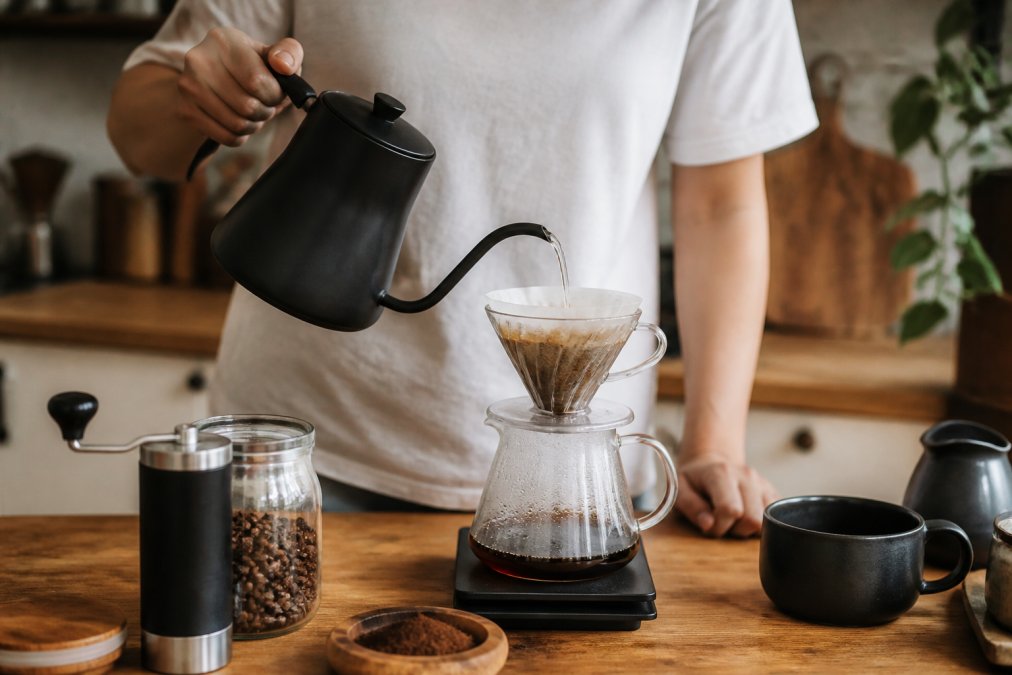
Great beans fail with bad brewing. The three variables that matter most are grind size, water temperature, and ratio, and getting them right costs nothing.
12 Pack Single Serve Coffee Capsules →
Grind Size and Brewing Methods
| Brew Method | Grind Size | Brew Time | Best For |
|---|---|---|---|
| Pour-over | Medium-fine | 3-4 minutes | Highlighting acidity and floral notes |
| French press | Coarse | 4 minutes | Full body and syrupy mouthfeel |
| Espresso | Fine | 25-30 seconds | Dark roasts and blends |
| Cold brew | Coarse | 12-18 hours | Low-acidity, smooth concentrate |
Whole bean coffee ground immediately before brewing retains far more aromatic compounds than pre-ground. A burr grinder produces uniform particles; a blade grinder produces dust and boulders, which extract unevenly and taste muddy.
USDA coffee market and agricultural trade data
Sustainability, Storage, and Price-per-Ounce Value
Most premium coffee lists stop at taste. This section puts a number on value, a timeline on freshness, and a framework on sustainability, the three things that determine whether a premium bag was worth its price.
Price-per-Ounce: The Only Fair Comparison
Price per ounce separates real value from branding. Compare bags by dividing cost by net weight, not by counting origins on the label.
| Bag | Price | Net Weight | Price per Ounce | Cups at 18g Dose | Cost per Cup |
|---|---|---|---|---|---|
| Single-origin micro-lot | $23.99 | 12 oz | ~$2.00 | ~19 | ~$1.26 |
| House blend | $23.99 | 12 oz | ~$2.00 | ~19 | ~$1.26 |
| Barrel-aged single origin | $23.99 | 12 oz | ~$2.00 | ~19 | ~$1.26 |
| 12-count capsule pack | $19.99 | 12 capsules | ~$1.67 per capsule | 12 | ~$1.67 |
Storage Science: What Actually Degrades Beans
Storage is where most buyers lose money. Four enemies degrade roasted beans on different timelines:
- Oxygen, oxidizes oils and aromatics. The dominant cause of staling. Starts working the day the bag is opened.
- Moisture, drives stale, cardboard flavors and can promote mold in humid kitchens.
- Heat, accelerates every chemical reaction, including the ones you do not want.
- Light, breaks down compounds in the bean's surface oils, especially in clear glass or plastic containers.
Sustainability: What Is Actually Measurable
Sustainability in coffee is measurable, not aspirational. Direct trade relationships, hand-sorted processing, and raised-bed drying reduce waste and improve traceability, and roasters who publish farm names are easier to hold accountable than those hiding behind a generic label.
- Named origin. A specific farm, cooperative, or washing station, not just a country.
- Processing disclosure. Washed, natural, honey, or wet-hulled. This tells you how much water and labor went into the lot.
- Certification or direct-trade claim. Fair Trade Certified, Rainforest Alliance, or an explicit direct-trade statement with the producer named.
Fair Trade Certified coffee standards and producer requirements
USDA coffee market and agricultural trade data
Conclusion
Choosing among premium coffee brands is not about finding the single best bag. It is about matching processing method, roast level, and origin to how you actually brew and drink. A natural Ethiopian rewards a pour-over; a dark blend rewards an espresso machine.
Frequently Asked Questions
What makes a coffee brand considered premium?
A premium coffee brand is defined by its sourcing, roasting, and transparency. Look for specialty-grade arabica beans with a cupping score of 80 or above, clear roast dates rather than vague best-by dates, and traceability to specific micro-lots or family-owned estates. Small-batch roasting, direct trade relationships, and detailed tasting notes on the bag are strong indicators. Price alone does not determine quality; a $23 bag of single-origin Ethiopia Natural with a known altitude and processing method tells you more than a luxury label.
How do I identify a high-quality specialty coffee roaster?
Check for a roast date printed on the bag, not just a best-by date. High-quality roasters list the origin, altitude, variety, and processing method, such as washed, natural, or honey process. They also publish cupping scores or detailed tasting notes. If a roaster cannot tell you which farm or cooperative grew the beans, the coffee is likely not specialty grade. Small-batch artisan roasters who roast to order, like Cafe de Mattier, preserve more of the bean's floral aromatics and complexity.
What are the best coffee subscription services for premium beans?
The best coffee subscription services deliver freshly roasted whole bean coffee on a schedule you control, with the option to pause or cancel anytime. Look for services that roast to order and ship within days of roasting. A subscription should let you choose roast profiles, single-origin versus blends, and grind size. Sample packs are a low-risk way to try a roaster before committing to a recurring plan.
How do I brew specialty coffee at home to get the best flavor?
Start with freshly roasted whole bean coffee and grind it just before brewing. For pour-over, use a medium grind and a 1:16 coffee-to-water ratio by weight. For espresso, use a fine grind and aim for a 1:2 ratio in 25 to 30 seconds. Water temperature should be between 195°F and 205°F. A 30-second bloom with a small amount of water releases carbon dioxide and improves extraction. Adjust grind size before changing anything else if your cup tastes sour or bitter.
Are premium coffee brands worth the higher price?
Premium coffee often costs more per ounce because of smaller harvests, hand-sorting, and ethical sourcing. A micro-lot from a single estate at 1,700 meters will always cost more than a mass-market blend. The difference shows in the cup: brighter acidity, clearer tasting notes like citrus or dark chocolate, and a silk-like body. If you drink coffee daily, the per-cup cost of a $23 bag is often under $1.50, which is less than most cafe drinks.