

Single Origin vs Blend Coffee Flavor: Which to Choose?
Table of Contents
- Single Origin vs Blend Coffee Flavor: A Quick Comparison
- What Is a Coffee Micro-Lot and Why Does It Matter for Flavor?
- Tasting the Difference: Single Origin Flavor Profile vs Blend Consistency
- How to Taste Coffee Notes Like a Pro
- How Roast Level and Geography Shape Single Origin vs Blend Flavor
- Using a Coffee Sensory Evaluation at Home Kit for Your Own Comparison
- Which Should You Choose: Single Origin or Blend?
- Conclusion: Finding Your Perfect Cup
- Frequently Asked Questions
Last Updated: September 9, 2026
Single Origin vs Blend Coffee Flavor: A Quick Comparison
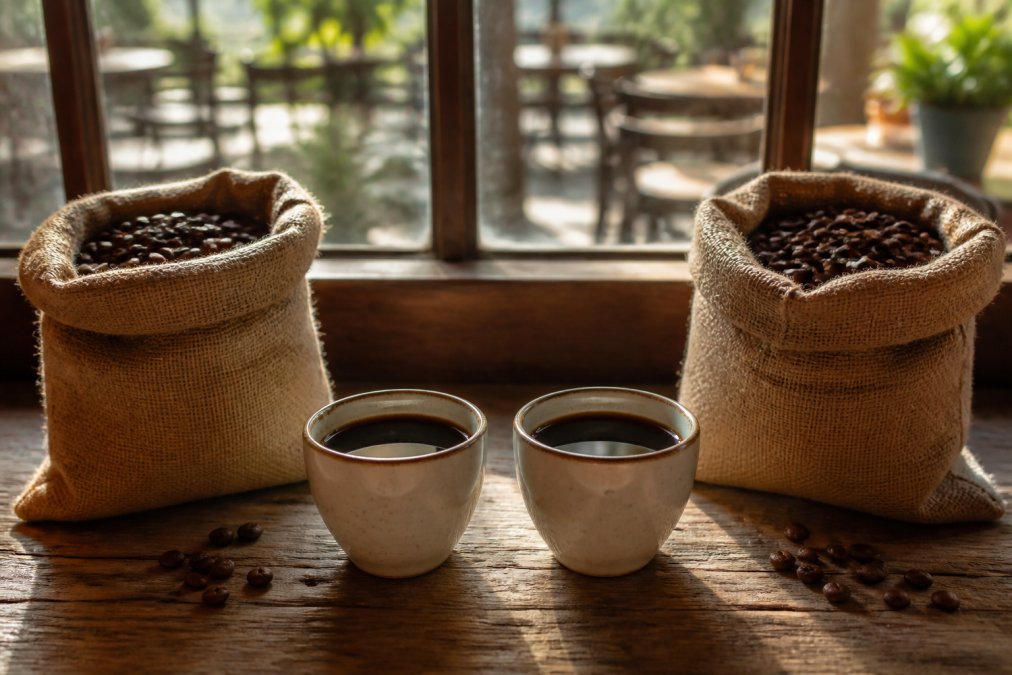
The debate between single origin vs blend coffee flavor comes down to one question: do you want a distinct sense of place or a perfectly balanced cup? Single origin coffees showcase the unique character of one farm or region, while blends combine beans to achieve consistency and harmony. At Cafe de Mattier, we believe both have a place in your routine, but they serve very different purposes.
Single origin coffee is coffee sourced from one specific geographical region, farm, or micro-lot, offering a flavor profile shaped by that location's soil, climate, and processing methods. A coffee blend combines beans from multiple origins to create a balanced, consistent flavor that remains stable across harvests.
What Is a Coffee Micro-Lot and Why Does It Matter for Flavor?
A coffee micro-lot is a small, carefully separated batch of beans from a single farm or even a single section of one farm. Because micro-lots are kept apart from the farm's main harvest, they preserve the specific terroir, or environmental character, of that exact piece of land.
Micro-lots matter because they give you traceability. You know the grower, the altitude, the soil type, and the processing method behind every bean. For example, our Brazil Santos comes from Fazenda Santa Barbara at 750-1050 meters, grown in volcanic loam and processed as pulped natural sun-dried coffee, translating into an elegant, smooth profile with cocoa notes.

Tasting the Difference: Single Origin Flavor Profile vs Blend Consistency
The most noticeable difference between single origin vs blend coffee flavor is predictability. A single origin cup can vary from harvest to harvest, while a blend is engineered for consistency, which is why many cafes use blends as their everyday house coffee.
Here is how the two compare across key tasting dimensions:
| Tasting Dimension | Single Origin | Coffee Blend |
|---|---|---|
| Flavor Profile | Bright, complex, origin-specific | Balanced, rounded, consistent |
| Tasting Notes | Floral, citrusy, berry, distinct | Nutty, chocolatey, caramel |
| Body | Varies by region and process | Medium, smooth, predictable |
| Acidity | Often bright and pronounced | Muted for broad appeal |
| Availability | Seasonal, limited harvests | Year-round, stable supply |
Consider our Colombia, a single origin from smallholder farmers in Medellin, delivering dried orange, berry, and chocolate notes from its fully washed process and solar drying. Our House Blend, by contrast, combines Central and South American coffees for a nutty, sweet chocolate cup with mild citrus and a clean finish.


How to Taste Coffee Notes Like a Pro
Tasting coffee notes is a skill anyone can develop with a simple, repeatable method. Professional tasters rely on cupping, but you can approximate it at home. The goal is to isolate aroma, acidity, body, and finish so you can compare single origin vs blend coffee flavor side by side.
- Grind fresh and smell dry: Inhale the ground coffee before brewing. Identify the first aroma that comes to mind, whether floral, fruity, or nutty.
- Slurp to aerate: Take a spoonful and slurp it loudly. This spreads the coffee across your palate and releases aromatic compounds.
- Identify the body: Notice the weight on your tongue. Is it light like tea or heavy like milk?
- Find the acidity: Look for brightness or sharpness. Citrusy and bright notes indicate higher acidity; smooth and mellow suggests lower acidity.
- Note the finish: After swallowing, observe the aftertaste. Does it linger with chocolate or fade quickly?
How Roast Level and Geography Shape Single Origin vs Blend Flavor
Roast level is a chemical lever that determines how much of a coffee's origin character survives to your cup. The roasting process drives Maillard browning, creating caramel, nut, and toasted notes, and pyrolysis, which at higher temperatures produces smoky, dark-chocolate characteristics. A light roast preserves volatile aromatic compounds, which is why a light-roasted coffee can taste like blueberry and jasmine (peer-reviewed research). A dark roast destroys many of those volatiles, which is why dark-roasted blends taste primarily of roast character rather than place (peer-reviewed research).
Geography shapes flavor through altitude, soil chemistry, rainfall patterns, and processing tradition. The most measurable variable is altitude: beans grown above 1,500 meters mature more slowly, developing higher sugar content and denser cellular structure, translating to brighter acidity and more complex flavor precursors. A Guatemalan bean from Antigua will cup with pronounced citric and malic acidity, while the same variety grown at a lower altitude will taste flatter and more earthy.
Soil chemistry matters just as much. Volcanic loam, common in Antigua and parts of Colombia, is rich in potassium and phosphorus, supporting healthy cherry development. Limestone-based soils can mute acidity and emphasize body. You cannot taste potassium directly, but you can taste the difference in sugar development and acid balance that soil composition drives.
Processing method is the third pillar of geographic influence. Washed coffees, where the fruit is removed before drying, produce cleaner, brighter cups because fermentation is controlled and brief. Natural or dry-processed coffees, where the cherry dries on the bean, develop heavier body and fermented notes. A single origin from a specific region, when washed, often tastes like tea and citrus; a natural-processed coffee from another zone will taste like strawberry jam and wine.
For blends, roasters use geography strategically. A typical espresso blend might combine a Brazilian bean for body and chocolate sweetness, a Colombian for balanced acidity, and an Indonesian for earthy depth. The roaster's job is to calibrate the roast so no single origin dominates, which is why blend roasts are often taken slightly darker than single origins: a medium-dark development of 415°F to 430°F helps unify disparate bean densities and moisture contents.
A common pattern among specialty roasters is to offer the same single origin at two roast levels. A light roast will highlight grapefruit and blackcurrant; a medium roast of the same lot will mute that brightness and bring out brown sugar and baking spice. This is the fastest way to understand how roast level interacts with origin character without changing any other variable.
Single origins reward roast-specific calibration. A light-roasted single origin often needs a slightly finer grind and a longer ratio, around 1:16, to fully extract its soluble solids. A blend roasted to medium or medium-dark is more forgiving across a wider grind range and temperature window, which is why cafes default to blends for high-volume service.
Using a Coffee Sensory Evaluation at Home Kit for Your Own Comparison
A coffee sensory evaluation at home kit is a structured tool, but its real value emerges only when paired with disciplined brewing protocols and an understanding of how single origins change across seasons. Most kits include aroma vials, a tasting wheel, and a scorecard modeled on the Specialty Coffee Association's cupping form, asking you to rate fragrance, flavor, aftertaste, acidity, body, and balance on a scale from 0 to 10.
Before you open the kit, control your brewing variables precisely. For a side-by-side comparison, use the same brewer, water, and dose. A standard protocol: 20 grams of coffee, 320 grams of water at 205°F, ground at a medium setting (around 700 microns) (sca.coffee). Brew both coffees with a flat-bottom brewer like a Kalita Wave or a Fellow Stagg, which produce more even extraction than a cone brewer. If you change the grind size or water temperature between cups, you are comparing your technique errors, not the coffees.
A single origin is not a fixed product. Coffee is harvested once or twice a year depending on hemisphere, and the beans you buy in March may come from a different harvest lot than the ones you bought in October. A washed Colombian from the main crop, harvested between October and December, will taste different from the same farm's fly crop, harvested between April and June, which typically has less developed sugars and can taste slightly vegetal or flat. Blends exist in part to smooth over this variability.
Record the harvest year and processing date from the bag, not just the roast date. A single origin that is several months off harvest will have lost aromatic intensity; its flavors will be flatter and more muted than the same coffee tasted fresh. This is not a flaw in the coffee; it is a function of time and storage.
When you taste, follow a fixed sequence to avoid palate fatigue. Start with the blend, which is designed to be balanced and approachable. Then taste the single origin; because single origins often have brighter acidity, tasting them second prevents the blend's muted profile from masking the single origin's high notes. Between samples, rinse your palate with plain water and eat a plain cracker.
A practical scoring pattern is to rate the blend first on overall balance and ask: what is missing? Blends are engineered to have no off-notes, but they often lack a distinctive peak. Then rate the single origin on intensity and uniqueness, and ask: what is inconsistent? Single origins can have stunning high notes but also more variation from sip to sip as the cup cools.
For a deeper comparison, repeat the evaluation three times over two weeks using the same bag of each coffee. A well-constructed blend should score within one point of its previous rating on every attribute. A single origin may shift by two or three points on acidity and flavor as the bag ages and the beans degas. That shift is normal: you are buying a snapshot of a harvest that evolves from the moment it is roasted.
The most informative comparison is not single origin versus blend on the same day; it is the same single origin tasted fresh versus six weeks later, alongside a blend tasted at the same intervals. That longitudinal comparison reveals the real trade-off: blends buy you consistency, while single origins buy you a moment in time that will never repeat exactly.
Which Should You Choose: Single Origin or Blend?
Choose a single origin when you want to explore the nuances of a specific place or when you enjoy seasonal variety in your cup. It rewards a mindful coffee experience, where you notice how the flavor evolves as it cools, and is the right pick when you are curious about terroir, processing methods, and the craft of a particular grower.
Choose a blend when you need reliability and balance for your everyday ritual. Blends are built for consistency, so your morning cup tastes the same whether you brew it on a rushed Tuesday or a slow Sunday. They also tend to be more forgiving of minor brewing inconsistencies, making them a solid choice for busy professionals who want good coffee fast.
| Your Priority | Best Choice | Recommended Option |
|---|---|---|
| Exploring unique flavor notes | Single Origin | Guatemala or Colombia |
| Consistent daily cup | Coffee Blend | House Blend |
| Smooth, approachable taste | Coffee Blend | Breakfast Blend |
| Elegant, cocoa-forward body | Single Origin | Brazil Santos |
Conclusion: Finding Your Perfect Cup
The single origin vs blend coffee flavor decision does not have to be permanent. Many enthusiasts keep both on hand, reaching for a single origin on weekends when they have time to savor its complexity and a blend on weekdays when they need a dependable start. The real skill is learning to taste the difference.
At Cafe de Mattier, we craft small-batch, French-inspired roasts from micro-lots and family-owned estates. Our slow-roast tradition preserves the floral notes and silk-like body in every balanced cup, whether you choose a single origin like our Colombia or a blend like our House Blend. Both are priced at $23.99 and roasted in small batches to ensure freshness. Explore our full collection and find the coffee that matches how you want to experience each morning.
Frequently Asked Questions
Is single origin coffee healthier than blended coffee?
There is no direct evidence that single origin coffee is inherently healthier than a blend. Both offer similar health benefits when consumed without additives. The main difference is not nutritional value but flavor and sourcing. Single origin beans come from one farm or region, offering distinct taste and traceability. Blends are crafted for consistency. Your choice between single origin vs blend coffee flavor should be based on your palate and brewing preferences, not health claims.
Does blended coffee taste better than single origin?
Neither tastes objectively better; it depends on your preference. Single origin coffees, like our Brazil Santos with its cocoa notes, showcase a unique terroir, often leading to a more complex and nuanced cup. Blends, such as our House Blend, are designed for a balanced, consistent flavor profile with notes of nutty chocolate and mild citrus. If you enjoy exploring distinct flavors, a single origin is ideal. For a reliable, smooth, and familiar cup, a blend is an excellent choice.
How does roast level affect the flavor of single origin vs. blends?
Roast level is a key variable in the single origin vs blend coffee flavor debate. A medium roast, common for both our single origins and blends, preserves the bean's inherent characteristics. For single origins, a medium roast highlights the origin's unique notes, like the dark chocolate and butterscotch in our Guatemala. For blends, it allows the roaster to create a harmonious balance, ensuring no single component overpowers the others. A darker roast tends to emphasize roasty, bold flavors, masking some of the origin character.
Is espresso a single origin or a blend?
Espresso can be either a single origin or a blend. Traditionally, roasters used blends for espresso to create a balanced, thick crema and consistent flavor that stands up to milk. However, single origin espressos are now popular. They offer a bright, distinctive cup that showcases the bean's origin, which can be delightful for black espresso shots. The choice often comes down to whether you prefer the complexity of a single origin or the balanced consistency of a blend in your espresso.
The choice between single origin and blend ultimately reflects your priorities: exploration versus consistency, complexity versus balance. The best way to decide is to taste both side by side using the sensory evaluation kit method above. Subscribe to our emails for tasting guides, brewing tips, and early access to limited single origin harvests.