

Blue Bottle Alternatives: Best Specialty Coffee Pods
Table of Contents
- Why Specialty Coffee Pods Demand More Than Convenience
- Best Specialty Coffee Pods for Nespresso Machines
- How to Choose High-Quality Coffee Pods
- Third-Wave Coffee Standards in Pod Form
- Reusable vs. Single-Use Capsule Systems
- Cost-Per-Cup Analysis: Specialty Pods vs. Mass-Market Options
- Sustainability and Waste Reduction in Specialty Pods
- Conclusion
Last Updated: August 26, 2026
Why Specialty Coffee Pods Demand More Than Convenience
Mass-market pods blend beans from multiple regions and crop years for consistency and cost. Specialty coffee pods celebrate single-origin micro-lots from specific estates, often family-owned farms perfecting their craft for generations. Terroir, the soil, altitude, and climate of a specific region, creates flavor profiles that commodity blends cannot replicate.

At Cafe de Mattier, we've built our approach around slow-roasting that preserves complexity and floral notes. When you brew a specialty pod, you're experiencing the intentional work of farmers, roasters, and coffee professionals who treat coffee as a craft, not a commodity.
The real question isn't whether specialty pods cost more, they do. It's whether you're willing to shift how you think about your morning coffee, from functional necessity to genuine sensory experience.
Best Specialty Coffee Pods for Nespresso Machines
Nespresso compatibility opens access to fine specialty coffee in pod form. The machine's pressure-based extraction system works beautifully with specialty beans when roast profile and grind are calibrated correctly.
Single-Origin Micro-Lot Options
Single-origin pods eliminate guesswork. You know exactly where your coffee came from, at what altitude it was grown, and how it was processed. This transparency connects you directly to the source rather than a mystery blend.
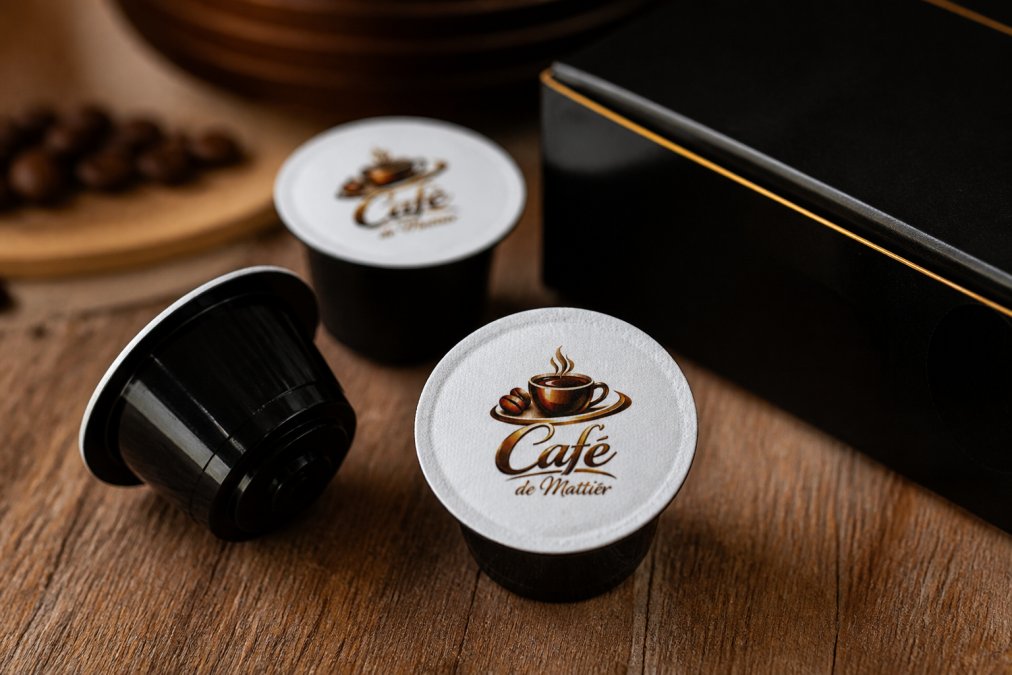
Cafe de Mattier's Peru Coffee Pods showcase this transparency. Sourced from Cooperativa Agricola de Servicisios Norandino in the Piura and Amazonas regions at 1,100 to 1,700 meters elevation, the gully-washed and sun-dried process creates a medium roast with salted caramel sweetness, silky body, and citrus brightness. At $19.99 per box, you're paying for traceability and flavor clarity.
The Mexico Coffee Pods from Chiapas, grown at 1,400 to 1,900 meters with washed-process beans, develop medium acidity, creamy body, and notes of lemon, brown sugar, and dark chocolate. The Bali Coffee Pods represent a different terroir entirely, Indonesian volcanic loam soil and wet-hulling processing create a medium-dark roast with dark chocolate, molasses, and brown sugar notes, hand-picked by smallholder farmers in Kintamani.

Single-origin pods let you rotate between completely different flavor profiles based on mood or preference. Mass-market pods cannot do this because consistency demands blending and standardization.
Flavor Profile Clarity and Tasting Notes
When a pod lists "salted caramel, silky sweet, citrus," those are roaster commitments. You should taste those notes. Tasting notes teach your palate what to look for. The first time you brew Peru pods, you might not immediately detect citrus. By the third cup, you'll taste it clearly. Your palate develops through repetition and attention.
The Bali pods demonstrate the opposite, dark chocolate and molasses notes are immediately obvious. This clarity reveals your own preferences. If you consistently reach for the Bali pods over the more nuanced Peru offering, you've learned something true about yourself: you prefer boldness over subtlety.
How to Choose High-Quality Coffee Pods
Not all specialty pods are created equal. Knowing what to evaluate separates informed buyers from those simply paying premium prices for premium packaging.
Freshness and Oxygen Sealing
Freshness is non-negotiable. Coffee begins degrading the moment it's roasted. Oxygen is the enemy. The best specialty pods use hermetic sealing with complete oxygen exclusion rather than standard vacuum packaging.
Cafe de Mattier's 12 Pack Single Serve Coffee Capsules use nitrogen-flushed sealing with no oxygen inside. This technical specification directly impacts what you taste. Oxygen degrades aromatic compounds and oils that create complexity. The improved filter design distributes water evenly, ensuring consistent extraction and cleaner flavor.
Check the roast date on any specialty pod you buy. Coffee peaks in flavor 2-4 weeks after roasting (peer-reviewed research). If a pod doesn't show a roast date, that's a red flag.
Roast Profile and Extraction Standards
Roast profile determines everything about how a coffee tastes. Light roasts preserve origin characteristics and acidity. Medium roasts balance acidity with body and caramel sweetness. Dark roasts emphasize body and bitterness while muting origin nuance.
A roaster should choose a roast profile that serves the specific bean. Peru beans roasted medium highlight their citrus and caramel character. Roast them darker and you lose that brightness. Specialty roasters understand that pod-based brewing requires different grind sizes and dosages than espresso machines or pour-over methods.
When evaluating a specialty pod option, ask: Does the roaster explain why they chose this roast profile for this bean? Do they specify grind size and dosage? Vagueness about these details suggests they're not thinking like specialty roasters.
Third-Wave Coffee Standards in Pod Form
Third-wave coffee represents a fundamental shift in how the industry thinks about quality. First-wave was about convenience. Second-wave was about consistency and brand. Third-wave is about origin, process, and flavor clarity.
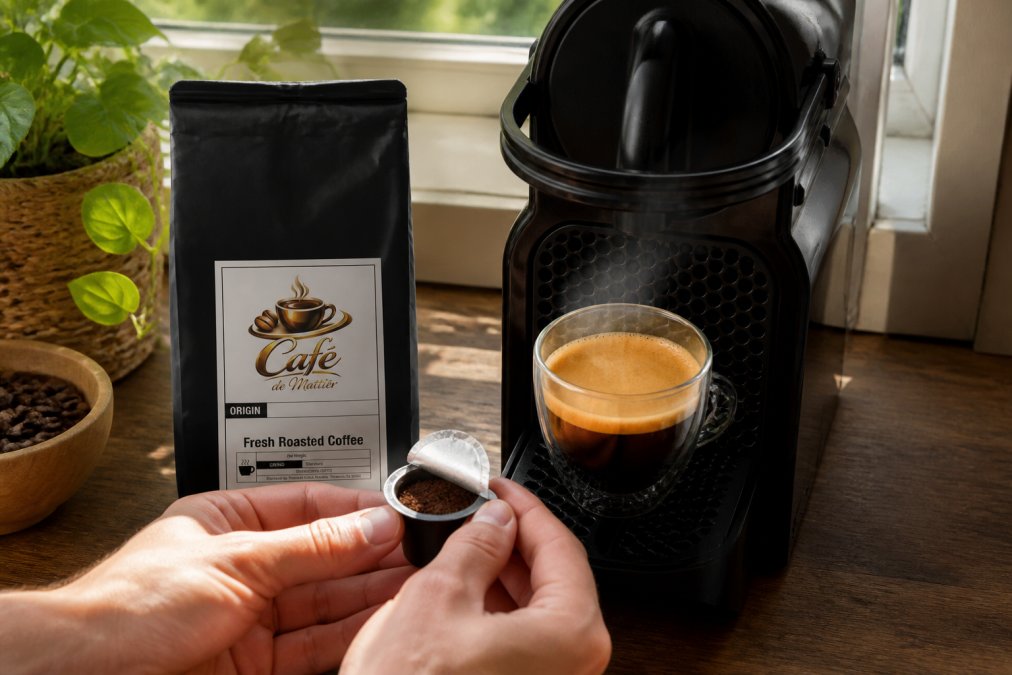
Third-wave philosophy demands transparency throughout the supply chain. You should know the farmer's name, altitude, processing method, and roast date. Specialty pods that embrace these standards source from direct relationships with farms rather than commodity brokers. Direct trade means roasters pay premium prices that actually reach farmers, creating incentive for quality over volume.
The complexity and floral notes that define Cafe de Mattier's approach emerge directly from third-wave sourcing and roasting philosophy. Slow roasting preserves delicate aromatics that industrial roasting burns away. Nespresso machines, when paired with properly roasted specialty pods, deliver third-wave quality in a convenient format.
Reusable vs. Single-Use Capsule Systems
Single-use pods offer maximum convenience. Drop the pod in, press a button, drink coffee. The 60 Pack Single Serve Coffee Capsules from Cafe de Mattier delivers this simplicity at $59.99, roughly one dollar per cup for premium specialty coffee.
Reusable capsules require more involvement. You grind beans, fill the capsule, brew, then clean it. This adds 2-3 minutes to your morning routine. For some, this hands-on engagement appeals. For others, it's friction to eliminate.
The sustainability argument favors reusable systems, but only if you actually use them consistently. A reusable capsule sitting unused isn't sustainable. Single-use pods create waste, but they ensure you drink the coffee you buy.
Consider your actual behavior. If you forget to clean dishes, a reusable system will frustrate you. If you enjoy the ritual of grinding and brewing, the reusable option delivers more satisfaction. Neither choice is wrong.
Cost-Per-Cup Analysis: Specialty Pods vs. Mass-Market Options
Mass-market pods cost around $0.40 to $0.60 per cup. Specialty pods cost more. Cafe de Mattier's single-origin options at $19.99 per box work out to roughly $1.67 per cup. The 60-pack capsules at $59.99 work out to approximately $1.00 per cup.
That price difference buys traceability, freshness, and intentional roasting. A specialty roaster spent time dialing in the perfect roast profile for that specific bean.
The question is whether the flavor difference justifies the premium for your palate and budget. For coffee drinkers who notice the difference between Peru and Bali pods and appreciate complexity, the premium makes sense. For someone who drinks coffee primarily for caffeine, the premium is harder to justify.
Be honest about which category you fall into. Buying specialty pods when you don't taste the difference is wasteful. Buying mass-market pods when you genuinely enjoy specialty flavor denies you something you value.
Sustainability and Waste Reduction in Specialty Pods
Specialty roasters increasingly take environmental responsibility seriously. Aluminum capsules are fully recyclable (the EPA). Nespresso operates a capsule recycling program where you can mail used pods back for recycling. Some specialty roasters now offer compostable pods made from plant-based materials that break down in commercial composting facilities within months.
The most sustainable option remains reusable capsules, but only if you actually use them consistently. A reusable system that sits unused is worse than single-use pods.
Cafe de Mattier's approach centers on quality and freshness, which indirectly reduces waste. When coffee tastes exceptional, you drink it with intention rather than rushing through it. When you savor your coffee, you're less likely to waste it. Specialty coffee pods will never be as sustainable as buying whole beans and grinding them yourself, but they're dramatically more sustainable than mass-market pods when the roaster has invested in proper packaging and recycling infrastructure.

Switching from mass-market pods to specialty alternatives requires accepting that good coffee deserves attention. You're moving from a product designed for maximum convenience to one designed for maximum flavor. That shift means taking an extra minute to appreciate what you're drinking, noticing how different origins taste, understanding why roast profile matters.
Cafe de Mattier's specialty pods deliver this experience consistently. Each pod represents thoughtful sourcing, intentional roasting, and genuine care for flavor clarity. Start with a single-origin option that matches your flavor preferences, brew it with attention, and taste the difference that specialty sourcing actually makes. Subscribe to our emails to discover new micro-lot releases and learn more about the farms behind each roast.
=== FAQ ANSWERS (audit these too, same rules) ===
[1] Q: What makes specialty coffee pods different from standard capsules? A: Specialty coffee pods prioritize single-origin beans, third-wave roasting standards, and precise extraction. They feature tasting notes like floral, citrus, or chocolate complexity rather than generic 'bold' or 'mild' labels. Freshness matters: specialty pods use oxygen-sealed packaging to preserve the bean's aromatic qualities and flavor clarity. Standard capsules often use blended, lower-grade beans optimized for volume rather than sensory depth. The difference becomes apparent in the cup, specialty pods deliver distinct body, acidity, and aftertaste profiles that reflect the bean's origin and processing method.
[2] Q: Are third-party specialty coffee pods compatible with all Nespresso machines? A: Compatibility depends on your machine type. Original Line machines accept standard aluminum capsules, while Vertuo machines require their specific larger capsule format. Most third-party specialty pods are designed for Original Line compatibility, but always verify the pod's specifications match your machine before purchasing. Some specialty roasters offer compatibility guides on their websites. Mismatched capsules can cause brewing failures or poor extraction, so checking this detail prevents disappointment and waste.
[3] Q: How do I know specialty coffee pods will stay fresh before I use them? A: Freshness depends on two factors: roast date and packaging integrity. Look for pods with a visible roast date printed on the package, ideally roasted within 2-4 weeks of purchase. Specialty pods use nitrogen or vacuum sealing to eliminate oxygen, which degrades flavor over time. Cafe de Mattier's capsules feature sealed, oxygen-free packaging that preserves the coffee's aromatic compounds and prevents staleness. Store pods in a cool, dark place away from heat and light. Pods typically maintain peak flavor for 3-6 months when properly sealed and stored (peer-reviewed research).
[4] Q: Why is specialty coffee more expensive than mass-market pod brands? A: Specialty coffee costs more because of sourcing and roasting practices. Micro-lot beans from family-owned estates command higher prices than commodity-grade coffee. Third-wave roasters invest in small-batch roasting to develop complex flavor profiles, this requires skill, equipment, and time. Specialty pods use premium packaging (often aluminum or compostable materials) and nitrogen sealing to preserve freshness. You're paying for traceability, flavor complexity, and ethical sourcing standards. The cost-per-cup reflects the quality difference: a $19.99 box of specialty pods delivers more sensory depth than cheaper alternatives, making it a worthwhile investment for coffee enthusiasts.
Frequently Asked Questions
Q: What makes specialty coffee pods different from standard capsules?
A: Specialty coffee pods prioritize single-origin beans, third-wave roasting standards, and precise extraction. They feature tasting notes like floral, citrus, or chocolate complexity rather than generic 'bold' or 'mild' labels. Freshness matters: specialty pods use oxygen-sealed packaging to preserve the bean's aromatic qualities and flavor clarity. Standard capsules often use blended, lower-grade beans optimized for volume rather than sensory depth. The difference becomes apparent in the cup, specialty pods deliver distinct body, acidity, and aftertaste profiles that reflect the bean's origin and processing method.
Q: Are third-party specialty coffee pods compatible with all Nespresso machines?
A: Compatibility depends on your machine type. Original Line machines accept standard aluminum capsules, while Vertuo machines require their specific larger capsule format. Most third-party specialty pods are designed for Original Line compatibility, but always verify the pod's specifications match your machine before purchasing. Some specialty roasters offer compatibility guides on their websites. Mismatched capsules can cause brewing failures or poor extraction, so checking this detail prevents disappointment and waste.
Q: How do I know specialty coffee pods will stay fresh before I use them?
A: Freshness depends on two factors: roast date and packaging integrity. Look for pods with a visible roast date printed on the package, ideally roasted within 2-4 weeks of purchase. Specialty pods use nitrogen or vacuum sealing to eliminate oxygen, which degrades flavor over time. Cafe de Mattier's capsules feature sealed, oxygen-free packaging that preserves the coffee's aromatic compounds and prevents staleness. Store pods in a cool, dark place away from heat and light. Pods typically maintain peak flavor for 3-6 months when properly sealed and stored.
Q: Why is specialty coffee more expensive than mass-market pod brands?
A: Specialty coffee costs more because of sourcing and roasting practices. Micro-lot beans from family-owned estates command higher prices than commodity-grade coffee. Third-wave roasters invest in small-batch roasting to develop complex flavor profiles, this requires skill, equipment, and time. Specialty pods use premium packaging (often aluminum or compostable materials) and nitrogen sealing to preserve freshness. You're paying for traceability, flavor complexity, and ethical sourcing standards. The cost-per-cup reflects the quality difference: a $19.99 box of specialty pods delivers more sensory depth than cheaper alternatives, making it a worthwhile investment for coffee enthusiasts.
This article was written using GrandRanker