

Is Expensive Coffee Worth the Price: A Buyer's Guide
Table of Contents
- What Makes Expensive Coffee Cost More
- Specialty Coffee vs Commodity Coffee: Understanding the Gap
- What Is Micro-Lot Coffee and Why Does It Command Premium Prices
- The Freshness Factor: How Roast Date Affects Flavor and Value
- How to Taste Coffee Notes and Develop Your Palate
- The Diminishing Returns Curve: When Expensive Coffee Stops Being Worth It
- Brewing Equipment ROI and the Total Cost Equation
- Conclusion
Last Updated: August 21, 2026
What Makes Expensive Coffee Cost More
The price difference between commodity coffee and specialty micro-lots reflects real, traceable costs. Specialty coffee operates in a completely different supply chain than commercial-grade beans. While mass-market coffee blends beans from multiple origins and harvests for consistency and low cost, specialty roasters source from specific farms, specific harvests, and sometimes specific microlots within a single farm. This traceability costs money.
Quality control adds significant expense. Commercial buyers accept defects in shipments, while specialty importers hand-sort beans, rejecting anything below standard. A single bag might be sorted three times before reaching your kitchen. Roasting also differs dramatically: commercial roasters run massive batches for speed and volume, while specialty roasters like Cafe de Mattier use slow-roast techniques requiring more time, attention, and expertise. Small-batch production inherently costs more per unit than industrial production. Finally, specialty coffee is roasted to order or within days of purchase, guaranteeing freshness that commodity coffee sitting in warehouses for months cannot match.
Specialty Coffee vs Commodity Coffee: Understanding the Gap
Specialty coffee and commodity coffee are fundamentally different products. The Specialty Coffee Association defines specialty-grade as having fewer than 5 defects per 300-gram sample, while commodity coffee can have 40 or more defects (sca.coffee). When you brew commodity coffee, you're brewing damaged material mixed with good beans.
Commodity coffee blends beans from multiple countries, farms, and harvests into a consistent, neutral flavor profile. Specialty coffee is typically single-origin, often from one farm or even a specific microlot harvested on a particular date. Single-origin beans express terroir, the altitude, soil composition, rainfall, and microclimate where they grew. A coffee from Ethiopia tastes different from Colombia because growing conditions differ. Commodity blending erases these distinctions.
Supply chain transparency is another critical difference. With commodity coffee, you often don't know which farm your beans came from. With specialty coffee from roasters like Cafe de Mattier that source from family-owned estates, you can trace your beans back to the specific grower. This transparency costs money, as importers must build relationships with specific farmers and verify their practices.
What Is Micro-Lot Coffee and Why Does It Command Premium Prices
A micro-lot is a small, defined portion of a coffee farm's harvest, usually between 5 and 50 bags, processed and sold separately from the rest of the farm's production. Different sections of a farm produce different flavors, higher altitude plots might produce more acidity and complexity, while specific soil types emphasize certain flavor notes.
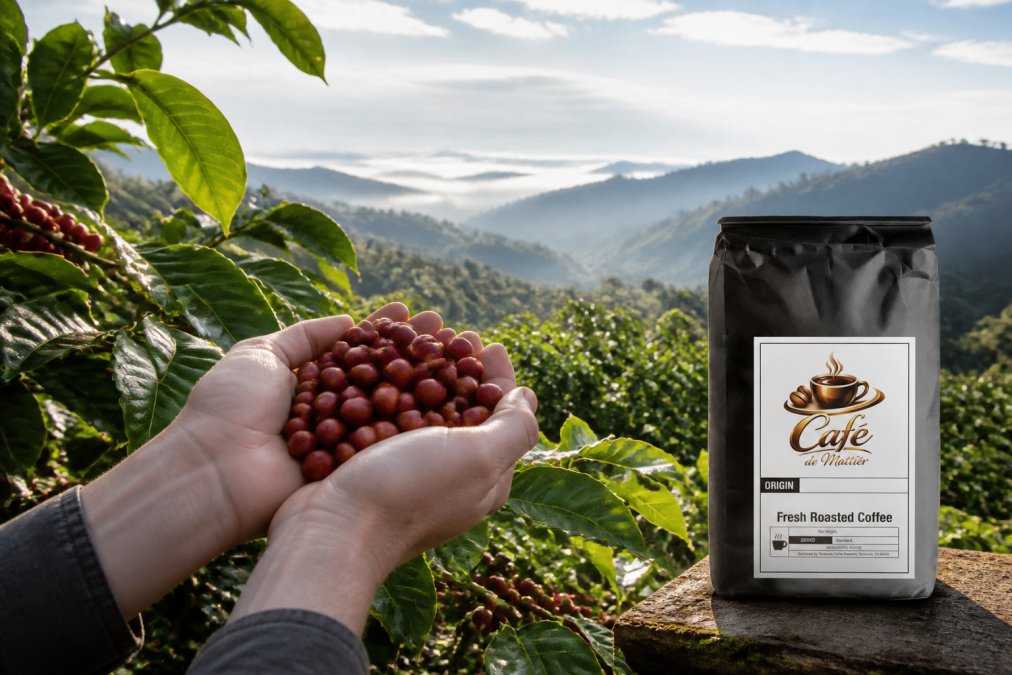
For roasters, micro-lots are valuable because they're limited and distinctive. A roaster can offer something genuinely unique that only exists in that specific micro-lot from that specific harvest. Once sold out, it's gone. This scarcity justifies higher pricing.
The cost is higher at every stage: farmers must separate and process small lots rather than mix everything together, importers handle smaller shipments with higher per-unit logistics costs, and roasters dial in roasts for smaller batches requiring more labor relative to coffee produced. However, micro-lot coffee isn't automatically better than single-origin coffee from the same farm. The price premium reflects rarity and the farmer's confidence in that specific lot, not a guarantee of superior flavor.
The Freshness Factor: How Roast Date Affects Flavor and Value
Coffee degrades from the moment it's roasted. Roasted coffee contains volatile compounds that escape into the air over time, and oils that carry flavor oxidize and break down. The roast date is the single most important indicator of freshness.
Coffee less than 3-5 days old can taste sour and underdeveloped due to residual CO2 off-gassing (peer-reviewed research). Coffee aged 1-2 weeks hits an optimal window for most brewing methods. Coffee that's 4-6 weeks old is still good but flavor flattens noticeably. Coffee that's 3+ months old tastes duller, even if exceptional when fresh.
Specialty roasters emphasize roast date and roast to order to ensure you get coffee at its peak. Commercial coffee sits in warehouses for months because the supply chain prioritizes convenience over flavor. For your wallet, expensive coffee loses value faster than you might think. A bag roasted six weeks ago is worth less than one roasted last week, even from the same roaster. If you're paying premium prices, you must drink the coffee while fresh. Buying a bag and letting it sit defeats the purpose.
How to Taste Coffee Notes and Develop Your Palate
The tasting notes on specialty coffee bags aren't marketing fiction, they're real flavor compounds. But you must know how to taste them. Smell is responsible for most of what we perceive as taste.
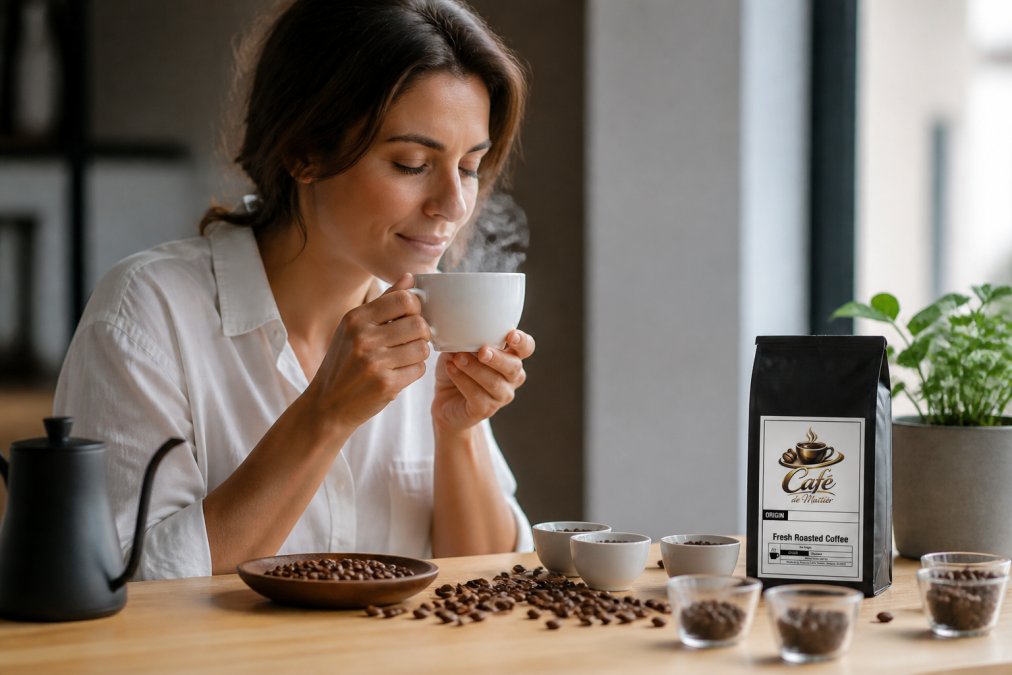
Before drinking, smell the coffee while it's hot. Bring the cup close to your nose and take a deliberate breath. Notice what comes to mind: fruity, floral, earthy, nutty, or chocolate? Then taste. Take a small sip and let it sit in your mouth before swallowing. Pay attention to body, is it thin and tea-like or thick and syrupy? Pay attention to acidity, does it feel bright and crisp or smooth and mellow?

The more you practice, the more your brain recognizes flavor patterns. You'll taste a coffee and identify notes that would have been invisible a month ago. This matters for expensive coffee because palate development changes your cost-benefit calculation. If you can't taste the difference between a ten-dollar and twenty-dollar bag, expensive coffee isn't worth it. But if you can taste the complexity, floral notes, and balanced body that slow-roasted micro-lots deliver, the premium makes sense.
The Diminishing Returns Curve: When Expensive Coffee Stops Being Worth It
The flavor improvement curve isn't linear. The jump from mass-market to decent specialty coffee is enormous. But the curve flattens: the jump from good specialty to exceptional micro-lot is smaller, and the jump to rare ultra-premium micro-lots is smaller still.
Where the curve flattens depends on your palate and budget. For someone starting specialty coffee, the biggest value is in the $15-20 per bag range. Moving from $20 to $30 gets better quality but only 30-40% of the improvement you got moving from $8 to $15. For someone with a developed palate who brews daily, the sweet spot might be $20-30 per bag. For casual coffee drinkers, diminishing returns kick in faster at $12-15 per bag.
Expensive coffee is worth the price up to the point where you stop noticing improvement. Beyond that, you're paying for rarity or exclusivity, not proportional enjoyment increases.
Brewing Equipment ROI and the Total Cost Equation
The quality of your brewing equipment matters more than most realize and changes expensive coffee's value proposition. Expensive coffee only justifies its price if you extract it properly. Poor extraction erases high-quality beans' advantages.
A basic automatic drip machine costs thirty to fifty dollars and extracts 60-70% of flavor compounds (peer-reviewed research). A burr grinder costs forty to eighty dollars and significantly improves extraction consistency. A pour-over setup costs twenty to forty dollars and extracts 80-85% of flavor compounds.
If you brew one cup daily, that's 365 cups yearly. Upgrading from a thirty-dollar automatic machine to a one-hundred-dollar pour-over and seventy-dollar burr grinder that improves your daily experience by 20% means 73 days yearly of noticeably better coffee, a worthwhile investment.
However, if you brew occasionally, equipment ROI is weaker. And if you won't maintain equipment or dial in technique, upgrading doesn't help. For expensive coffee specifically: expensive beans plus poor equipment equals wasted money. Expensive beans plus good equipment equals excellent coffee justifying the cost.
Conclusion
Is expensive coffee worth the price? The honest answer depends on three things.
First, it depends on your palate. If you can taste the difference between a well-roasted micro-lot and a commercial blend, expensive coffee delivers real value. If you can't, you're paying for something you're not experiencing.
Second, it depends on your equipment. Expensive coffee only delivers its potential through proper extraction. Investing in a quality grinder and brewing method is a prerequisite for getting value from expensive beans.
Third, it depends on your consumption pattern. Expensive coffee degrades faster than commodity coffee. If you won't drink it while fresh, the premium price doesn't make sense. If you drink coffee daily and appreciate freshness, expensive coffee's shorter shelf life is actually an advantage, it forces you to buy smaller quantities more frequently, ensuring you're always drinking fresh beans.
At Cafe de Mattier, we've built our entire approach around these principles. Our French-inspired slow-roast technique and sourcing from family-owned micro-lots deliver the complexity and floral notes that justify premium pricing. Our small-batch production means your coffee is roasted fresh. Our focus on mindful coffee experiences assumes you actually want to taste what you're drinking.
If you fit that profile, someone with a developing palate, proper brewing equipment, and a daily coffee ritual, then expensive coffee is absolutely worth the price. Start with our specialty-grade offerings like the Whiskey Barrel Aged single-origin, which delivers the complexity and balance that justify premium pricing without requiring expert palate expertise.

If you're still building your palate or brewing setup, start with mid-range specialty coffee and invest in equipment first. The returns will be immediate. Once you've developed your taste and dialed in your technique, explore premium micro-lots.
The best coffee you enjoy drinking is usually the one you're actually equipped to taste.
=== FAQ ANSWERS (audit these too, same rules) ===
[1] Q: Does expensive coffee always taste better? A: Not always. Expensive coffee typically offers greater complexity, cleaner flavor profiles, and more distinct notes than commodity-grade beans. However, taste preference is subjective, many people enjoy affordable coffee perfectly well. The real difference lies in consistency, freshness, and the sensory experience rather than a guaranteed superior taste. A well-brewed cup of mid-range specialty coffee often outperforms poorly brewed expensive coffee.
[2] Q: What factors contribute to the high price of specialty coffee? A: Specialty coffee costs more due to several factors: single-origin sourcing from specific family-owned estates, direct trade relationships that ensure fair compensation to farmers, small-batch roasting for quality control, freshness guarantees with roast dates, sustainable and ethical sourcing practices, and the expertise required for precise roasting. Supply chain transparency and cupping scores also add value. Micro-lot coffees command premiums because they're produced in limited quantities with exceptional care.
[3] Q: How can you tell if a coffee is worth its premium price tag? A: Look for these indicators: a visible roast date (not a roast year), clear origin information including the farm or estate name, transparent sourcing practices, and small-batch production details. Check if the roaster provides brewing recommendations and flavor notes. Read customer reviews that mention specific tasting experiences. Cafe de Mattier's slow-roast approach and micro-lot sourcing demonstrate these quality markers, making the investment more justifiable.
[4] Q: What's the difference between micro-lot coffee and regular specialty coffee? A: Micro-lot coffee comes from a single, small harvest from a specific farm or section of an estate, offering unique flavor characteristics tied to that exact location and harvest. Regular specialty coffee may blend beans from multiple sources or harvests. Micro-lots provide traceability, limited availability, and distinctive flavor profiles that reflect precise terroir. This exclusivity and the farmer's individual care in cultivation and processing justify the higher cost. They're ideal for those seeking a truly unique sensory experience.
Frequently Asked Questions
Does expensive coffee always taste better?
Not always. Expensive coffee typically offers greater complexity, cleaner flavor profiles, and more distinct notes than commodity-grade beans. However, taste preference is subjective, many people enjoy affordable coffee perfectly well. The real difference lies in consistency, freshness, and the sensory experience rather than a guaranteed superior taste. A well-brewed cup of mid-range specialty coffee often outperforms poorly brewed expensive coffee.
What factors contribute to the high price of specialty coffee?
Specialty coffee costs more due to several factors: single-origin sourcing from specific family-owned estates, direct trade relationships that ensure fair compensation to farmers, small-batch roasting for quality control, freshness guarantees with roast dates, sustainable and ethical sourcing practices, and the expertise required for precise roasting. Supply chain transparency and cupping scores also add value. Micro-lot coffees command premiums because they're produced in limited quantities with exceptional care.
How can you tell if a coffee is worth its premium price tag?
Look for these indicators: a visible roast date (not a roast year), clear origin information including the farm or estate name, transparent sourcing practices, and small-batch production details. Check if the roaster provides brewing recommendations and flavor notes. Read customer reviews that mention specific tasting experiences. Cafe de Mattier's slow-roast approach and micro-lot sourcing demonstrate these quality markers, making the investment more justifiable.
What's the difference between micro-lot coffee and regular specialty coffee?
Micro-lot coffee comes from a single, small harvest from a specific farm or section of an estate, offering unique flavor characteristics tied to that exact location and harvest. Regular specialty coffee may blend beans from multiple sources or harvests. Micro-lots provide traceability, limited availability, and distinctive flavor profiles that reflect precise terroir. This exclusivity and the farmer's individual care in cultivation and processing justify the higher cost. They're ideal for those seeking a truly unique sensory experience.
This article was written using GrandRanker