

Comparing Single Origin Coffee and Blends
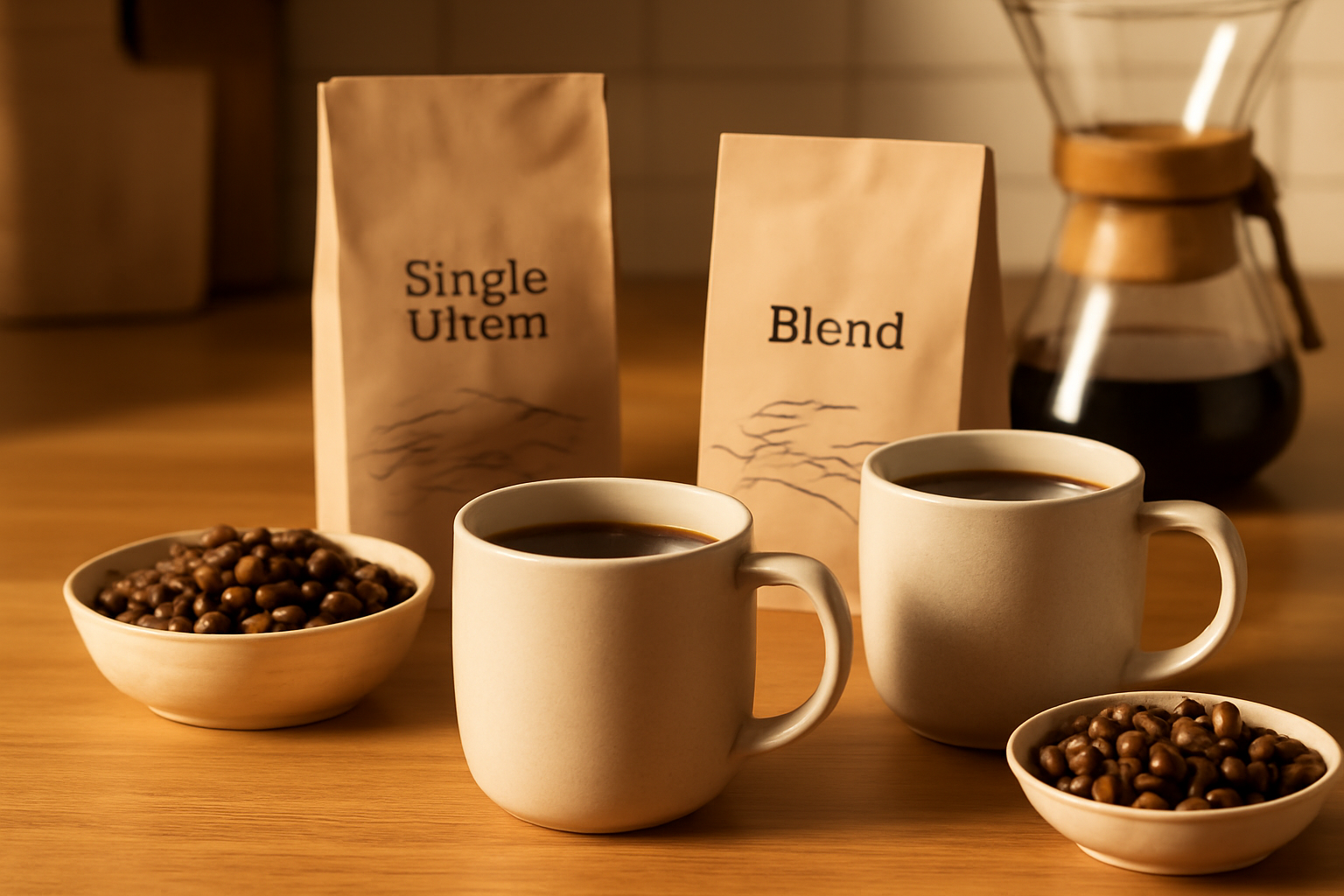
When it comes to coffee, the choice between single origin and blends can significantly impact your experience. Each option offers unique characteristics and flavors that cater to different preferences. Understanding the differences can help you select the right coffee for your taste and lifestyle.
This post will break down the key aspects of single origin coffee and blends, comparing them on flavor, origin, complexity, and more. Whether you're a busy mom, an entrepreneur, or a college student, knowing the nuances can enhance your coffee journey.
Table of Contents
What is Single Origin Coffee?
Single origin coffee refers to beans sourced from one specific location, such as a single farm, region, or country. This approach allows for the unique characteristics of that particular terroir to shine through. The flavor profile of single origin coffee can vary greatly depending on the climate, altitude, and processing methods used. Discover the Joy of Fresh Coffee Delivered to Your Doorstep.
Flavor Profile
Single origin coffees often present a more pronounced flavor profile, allowing coffee enthusiasts to explore distinct notes that reflect their origin. For example, Ethiopian coffees might exhibit fruity and floral notes, while Colombian varieties may offer a more balanced, nutty taste. better coffee experience.
Quality and Freshness
Since single origin coffees are usually produced in smaller batches, they can often be fresher and of higher quality. Many small-batch roasters focus on sourcing these coffees ethically, providing a direct connection between farmers and consumers.
What are Coffee Blends?
Coffee blends are created by combining beans from various origins to achieve a specific flavor profile. This method allows roasters to balance flavors and create a consistent taste, which can appeal to a broader audience. Blends can incorporate beans from different countries or regions, often enhancing the overall flavor complexity.
Flavor Consistency
One of the main advantages of coffee blends is their consistency. Roasters can adjust the proportions of different beans to maintain a steady flavor profile, ensuring that you receive a reliable cup every time. This is particularly appealing for those who enjoy routine and predictability in their coffee experience.
Versatility
Blends can cater to various brewing methods and personal preferences. Whether you prefer a strong espresso or a smooth pour-over, there's likely a blend designed to suit your taste. This versatility makes blends a popular choice for coffee drinkers who want to explore different brewing styles.
Comparison Table
| Feature | Single Origin Coffee | Coffee Blends |
|---|---|---|
| Flavor Profile | Distinct and unique based on origin | Balanced and consistent |
| Quality | Often higher due to small-batch sourcing | May vary depending on the blend |
| Complexity | Complex, showcasing specific terroir | Layered, created for balance |
| Freshness | Usually fresher due to smaller production | Can vary based on the batch |
| Versatility | Best suited for specific brewing methods | Works well across various brewing styles |
Flavor Profile Explained
Single origin coffee features distinct flavors that are influenced by the region's soil, climate, and cultivation methods. For example, a coffee from Ethiopia might have fruity and floral notes, while a coffee from Colombia may present a nutty and chocolatey profile. This uniqueness allows coffee enthusiasts to explore different taste experiences based on the origin.
On the other hand, coffee blends are crafted to achieve a harmonious flavor profile that appeals to a wider audience. Roasters often combine beans from multiple origins to balance out the flavors, ensuring that the final product is consistent and enjoyable. For instance, a blend might include beans from Brazil for sweetness and beans from Sumatra for earthiness, resulting in a well-rounded cup.
Quality Considerations
Quality in single origin coffee often stems from the meticulous sourcing of beans. Many roasters prioritize small-batch production, allowing them to maintain strict quality control and ensure that only the best beans make it into the final product. This attention to detail often results in a superior tasting experience.
In contrast, the quality of coffee blends can be more variable. While some blends are expertly crafted using high-quality beans, others may include lower-grade beans to cut costs. It's essential for consumers to research the roaster and their sourcing practices to ensure they are purchasing a quality product.
Understanding Complexity
The complexity of single origin coffee is a major draw for many coffee aficionados. Each cup can tell a story of its origin-its terroir, processing method, and even the altitude at which it was grown. This complexity can be a rewarding experience for those who take the time to savor the nuances in flavor.
Conversely, coffee blends are designed with balance in mind. While they may not offer the same level of complexity as single origin coffees, they provide a smooth and consistent flavor that many drinkers appreciate. This makes blends a great choice for those who enjoy a reliable cup of coffee without the need for extensive tasting notes.
Freshness Factors
Freshness is critical in coffee, and single origin coffees often shine in this area. Due to their smaller production runs, these coffees are typically roasted in smaller batches, which means they are likely to be fresher when they reach consumers. This freshness can significantly enhance the flavor and aroma of the coffee.
In contrast, coffee blends may have a longer shelf life due to larger production batches. However, this can lead to variations in freshness, especially if the blend includes beans from different origins that have varying roast dates. Consumers should look for roasters that provide clear roast dates to ensure they are getting the freshest product possible.
Versatility in Brewing
Single origin coffees often excel when brewed using specific methods that highlight their unique characteristics. For example, a pour-over method may be ideal for showcasing the bright acidity and floral notes of an Ethiopian coffee. Understanding the best brewing methods for each type of single origin coffee can enhance the overall drinking experience.
On the other hand, coffee blends are generally more versatile and can be brewed using various methods, from espresso to French press. This adaptability makes them popular among consumers who enjoy experimenting with different brewing techniques without worrying about the flavor profile being compromised.
Which Option Fits You?
Choosing between single origin coffee and blends often comes down to your personal preferences and lifestyle. Here are some scenarios to help you decide:
Single Origin Coffee
If you enjoy exploring unique flavors and appreciate the story behind your coffee, single origin is likely the right choice for you. This option is ideal for coffee enthusiasts who relish tasting the differences from various regions and wish to experience the nuances of each coffee. Here are some factors to consider:
- Flavor Profiles: Single origin coffees often showcase distinct flavor notes that reflect their geographic origins. For example, Ethiopian coffees may offer floral and fruity notes, while Colombian varieties might present a nuttier, chocolatey profile. Consider tasting a variety of single origin options to discover your favorites.
- Brewing Methods: Different single origin coffees may perform better with certain brewing methods. Experiment with pour-over, French press, or espresso to find the best match for your chosen coffee.
- Freshness: Single origin coffees are often roasted in smaller batches, ensuring you receive a fresher product. Look for roasters that provide roast dates to ensure optimal freshness.
- Story and Origin: Each bag of single origin coffee comes with a story. Research the farms or cooperatives behind your coffee to appreciate the effort and craftsmanship involved in its production.
Common mistakes to avoid when choosing single origin coffee include not checking the roast date, assuming all single origins are superior, and neglecting to consider your brewing method. Take your time to explore and enjoy the journey of discovering new flavors!
Coffee Blends
If you prefer consistency in flavor and versatility in brewing methods, blends are a great fit. This option suits busy moms, remote workers, and anyone seeking a reliable cup of coffee without the need for extensive exploration. Here are some key points to consider:
- Consistency: Blends are crafted to achieve a balanced flavor profile, making them a dependable choice for daily consumption. This is particularly beneficial for those who drink coffee regularly and appreciate a familiar taste.
- Versatility: Blends can often be brewed using various methods, from drip coffee makers to espresso machines. This adaptability makes them suitable for different occasions and preferences.
- Cost-Effectiveness: Blends are typically more affordable than single origin coffees. If you're looking to enjoy quality coffee without breaking the bank, blends can be a smart choice.
- Accessibility: Many brands offer blends that are readily available in grocery stores or online, making it easy to restock your favorite coffee without much effort.
When selecting a coffee blend, be mindful of the roast level and flavor notes. Some blends may lean towards darker roasts, while others may be lighter and more acidic. A common mistake is choosing a blend solely based on brand recognition without considering your personal taste preferences. Take the time to sample different blends to find one that suits your palate.
Conclusion
Understanding the differences between single origin coffee and blends can enhance your coffee experience and help you make informed choices. Take the time to explore both options, considering your personal taste preferences and lifestyle needs. Whether you venture into the world of single origin or enjoy the reliability of blends, remember that great coffee is about savoring each moment. For a convenient option, consider the convenience of coffee delivery to ensure you always have your preferred coffee on hand. Enjoy the journey of discovering new flavors, and say goodbye to basic coffee!
To help you fully appreciate the nuances between single origin coffee and blends, here are some practical steps and tips to guide your coffee journey:
Explore Different Flavor Profiles
When trying single origin coffee, pay attention to the flavor notes specific to the region. For instance, Ethiopian coffees are often fruity and floral, while Colombian coffees may present a nuttier, chocolatey profile. Create a tasting checklist to compare different coffees, noting the aromas, acidity, body, and aftertaste. This will help you identify your preferences over time.
Experiment with Brewing Methods
Your brewing method can significantly influence the taste of your coffee. Consider exploring various methods such as pour-over, French press, or espresso. Each technique extracts flavors differently, allowing you to experience the full range of characteristics in single origin coffees. Keep a journal of your brewing experiments to track which methods yield the best results for each type of coffee.
Common Mistakes to Avoid
- Ignoring Freshness: Always check the roast date on your coffee packaging. Freshly roasted coffee will provide the best flavor. Aim to consume your coffee within two weeks of roasting.
- Using Incorrect Grind Size: The grind size should match your brewing method. For example, a coarse grind works well for French press, while a fine grind is better for espresso. Using the wrong grind can lead to over-extraction or under-extraction.
- Overlooking Water Quality: The quality of your water can impact the taste of your coffee. Use filtered water to avoid any off-flavors that tap water might introduce.
Consider Your Lifestyle Needs
Your coffee choice may depend on your daily routine. If you're a busy mom or entrepreneur, you might prefer blends for their consistency and reliability. On the other hand, if you have time to savor your coffee, single origin options can provide a delightful exploration of flavors. Think about your coffee-drinking habits and choose accordingly.
Join a Coffee Community
Engaging with a community of coffee lovers can enhance your knowledge and enjoyment. Look for local coffee tasting events, workshops, or online forums where you can share experiences and learn from others. This interaction can open doors to new brands and blends you may not have considered.
Ultimately, the journey of exploring single origin coffee versus blends is a personal one. Take your time, experiment, and enjoy the process. With every cup, you'll be one step closer to discovering the perfect coffee that suits your taste and lifestyle. Cheers to better coffee experiences!