

How to Fix Weak Coffee Flavor Problems for a Better Brew
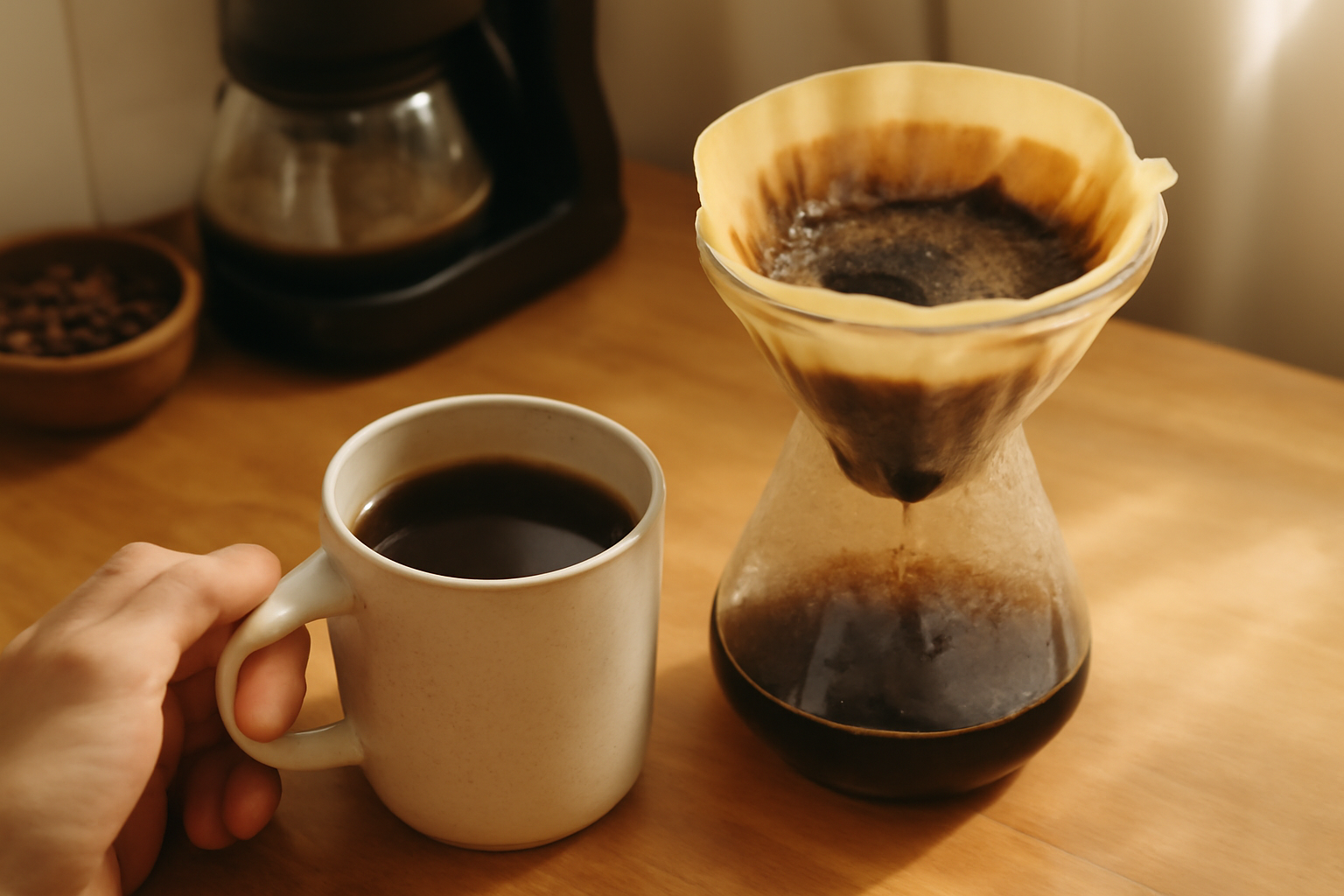
Weak coffee can be a frustrating experience, especially when you're craving a robust cup to kickstart your day. Whether you're a busy mom racing against the clock, an entrepreneur juggling meetings, or a remote worker seeking focus, a lackluster brew can derail your coffee moment. Understanding the common reasons behind weak coffee flavor can help you take steps toward achieving that rich, satisfying cup you desire.
This guide will walk you through identifying the symptoms of weak coffee, uncovering the root causes, and providing actionable tips to enhance your brew. By addressing these issues, you can elevate your coffee experience and enjoy every sip.
Table of Contents
Understanding Weak Coffee Flavor
Weak coffee flavor, often characterized by a watery taste or lack of aroma, can stem from various factors. Identifying these factors will empower you to create a richer, more flavorful cup. Here are some common symptoms and their underlying causes. Discover the Joy of Fresh Coffee Delivered to Your Doorstep.
Symptoms of Weak Coffee
- Pale color in your brewed coffee.
- Mild or no aroma when brewed.
- Watery or diluted taste.
- Quick cooling that leaves a flat finish.
Root Causes of Weak Coffee Flavor
Understanding what leads to these symptoms can help you make informed adjustments to your brewing process. Here are some common culprits: coffee tasting experiences.
- Insufficient Coffee Grounds: Using too little coffee can lead to a weak brew. It's generally recommended to use about two tablespoons of coffee for every six ounces of water. For a stronger flavor, consider increasing the ratio incrementally until you find your preferred strength.
- Grind Size: A grind that is too coarse can result in under-extraction, leading to weak flavor. For drip coffee, a medium grind is ideal. If you're using a French press, a coarser grind works best, while espresso requires a fine grind. Experiment with grind sizes to see how they affect your brew.
- Water Quality: Poor water quality can affect the overall taste of your coffee. Always use filtered or bottled water if your tap water has a noticeable taste or odor. The mineral content of the water can also influence flavor, so consider using water with balanced mineral levels for optimal extraction.
- Brewing Time: Short brewing times can prevent full flavor extraction. For drip coffee, aim for a brewing time of about 4 to 6 minutes. If you're using a French press, steep for 4 minutes before pressing down. For espresso, a shot should take about 25 to 30 seconds to brew. Use a timer to ensure consistency.
- Temperature Issues: Brewing coffee at too low a temperature can yield a weak cup. The ideal brewing temperature is between 195°F and 205°F. If using a drip coffee maker, ensure it heats water to this range. If you're brewing manually, use a thermometer to check the water temperature before pouring.
Checklist for Fixing Weak Coffee Flavor
To help you troubleshoot and improve your coffee, follow this practical checklist:
- Check your coffee-to-water ratio: Start with two tablespoons of coffee per six ounces of water and adjust as needed.
- Examine your grind size: Make sure you are using the appropriate grind for your brewing method.
- Test your water quality: Use filtered water and consider testing for mineral content.
- Monitor your brewing time: Use a timer to ensure you are brewing for the recommended duration.
- Verify your brewing temperature: Use a thermometer to ensure your water is at the right temperature before brewing.
Common Mistakes to Avoid
While trying to fix weak coffee flavor, be mindful of these common mistakes:
- Overlooking the grind size: A common mistake is using the same grind size for all methods. Always adjust according to your brewing technique.
- Ignoring coffee freshness: Stale coffee can lead to weak flavor. Purchase whole beans and grind them just before brewing for the best results.
- Using the wrong water temperature: If you're not using a thermometer, you might be brewing with water that is too hot or too cold, affecting extraction.
- Not cleaning your equipment: Old coffee oils and residues can taint the flavor of your coffee. Regularly clean your coffee maker, grinder, and any other equipment you use.
By understanding the symptoms and root causes of weak coffee flavor, you can take actionable steps to enhance your brewing process. With the right adjustments, you'll be able to enjoy a robust, flavorful cup every time.
Quick Diagnosis
If you're experiencing weak coffee, consider these quick diagnostic questions:
- Are you using the correct coffee-to-water ratio?
- What grind size are you using?
- Is your water fresh and filtered?
- Are you brewing for the appropriate amount of time?
- Is your brewing temperature optimal?
To help you further diagnose the issue, let's break down each question and provide practical steps to address them.
Coffee-to-Water Ratio
The right coffee-to-water ratio is crucial for achieving a balanced flavor. A general guideline is to use 1 to 2 tablespoons of coffee for every 6 ounces of water. However, this can vary based on personal taste preferences and the brewing method:
- Drip coffee: Start with 1 tablespoon per 6 ounces and adjust based on taste.
- French press: A ratio of 1:15 (1 gram of coffee for every 15 grams of water) often yields a richer flavor.
- Espresso: Aim for a 1:2 ratio, where 18-20 grams of coffee produces about 36-40 grams of espresso.
To avoid common mistakes, use a kitchen scale to measure your coffee and water accurately. If your coffee tastes weak, try increasing the amount of coffee slightly until you find the perfect balance.
Grind Size
The grind size of your coffee beans can significantly impact the flavor. If the grind is too coarse, it can lead to under-extraction, resulting in weak coffee:
- Coarse grind: Best for French press or cold brew.
- Medium grind: Ideal for drip coffee makers and pour-over methods.
- Fine grind: Necessary for espresso machines.
To ensure you're using the correct grind size, invest in a good quality burr grinder, which allows for precise adjustments. If you find your coffee weak, try a finer grind and see if it improves the flavor.
Water Quality
The quality of water used in brewing can make a significant difference. Tap water may contain impurities that affect the taste:
- Use filtered or bottled water to eliminate chlorine and other contaminants.
- Ensure the water is fresh; avoid using water that has been sitting in the kettle for too long.
For best results, aim for water that is free from strong flavors or odors. If your coffee still tastes weak after switching to filtered water, consider experimenting with different brands to find one that complements your coffee's flavor profile.
Brewing Time
Brewing time is another critical factor. If coffee is brewed for too short a time, it can lead to a weak flavor:
- Drip coffee: Brew for about 5-6 minutes.
- French press: Allow it to steep for 4 minutes before pressing.
- Espresso: Aim for a brewing time of 25-30 seconds.
Use a timer to ensure you're brewing for the appropriate length. If your coffee tastes weak, try extending the brewing time by 30 seconds to a minute and assess the flavor again.
Brewing Temperature
The temperature of the water used in brewing also plays a vital role. Water that is too cool can result in under-extraction:
- The optimal brewing temperature is generally between 195°F and 205°F (90°C to 96°C).
- Use a thermometer to measure the water temperature before brewing.
If you find your coffee is weak, check the temperature of your brewing water. If it's not within the optimal range, adjust your method accordingly. For instance, if you're using a pour-over method, let the kettle sit off the heat for about 30 seconds after boiling before pouring.
By systematically addressing each of these diagnostic questions, you can pinpoint the cause of weak coffee and make necessary adjustments to enhance your brewing process. Remember, coffee brewing is an art that may require a little experimentation to perfect.
Fix It Fast: Practical Tips to Enhance Your Brew
Now that you've identified potential issues, here are some practical fixes to elevate your coffee flavor:
Adjust Your Coffee-To-Water Ratio
One of the simplest ways to fix weak coffee is to adjust the amount of coffee you use. A general guideline is to use one to two tablespoons of coffee grounds for every six ounces of water. Experiment with this ratio until you find your perfect balance.
Optimize Your Grind Size
The grind size of your coffee beans can significantly impact flavor extraction. For drip coffee makers, a medium grind is typically ideal. If you're using a French press, go for a coarser grind. For espresso, fine grinding is essential. Invest in a good grinder that allows you to customize your grind size for optimal flavor.
Improve Water Quality
Using fresh, filtered water can enhance your coffee's flavor. Tap water may contain impurities that negatively affect taste. Consider using filtered or bottled water for the best results.
Monitor Brewing Time
Make sure you're brewing your coffee for the right duration. For drip coffee, aim for about 5-6 minutes. For French press, let it steep for 4 minutes before pressing down. Adjusting the brewing time can unlock the full potential of your coffee.
Check Your Brewing Temperature
The ideal brewing temperature for coffee is between 195°F and 205°F. If your water is too cool, it will not extract the full flavor from the coffee grounds. Use a thermometer if necessary to ensure your water is at the right temperature before brewing.
Additional Tips for Enjoying Full-Bodied Coffee
Beyond fixing weak coffee flavor, consider these additional tips to enhance your coffee experience:
Explore Coffee Types
Experimenting with different coffee origins can lead to discovering rich flavors. Single-origin coffees often have unique taste profiles that can elevate your coffee moments. For instance, a coffee from Ethiopia might offer fruity notes, while a Colombian coffee may present a nuttier profile. Consider trying organic or fair-trade options that prioritize quality and flavor. You can also explore blends that combine beans from various regions to create a balanced taste. Keep a coffee journal to note your preferences and findings as you taste different varieties.
Utilize Fresh Beans
Say goodbye to basic coffee by choosing fresh, small-batch roasted beans. Freshness plays a crucial role in flavor development. Look for brands that offer coffee tasting for entrepreneurs or coffee tasting for busy moms, ensuring you get a vibrant and fresh cup. When purchasing, opt for whole beans and grind them just before brewing to maximize flavor. Store your beans in an airtight container in a cool, dark place to preserve their freshness. A common mistake is buying pre-ground coffee or keeping beans in the fridge; this can lead to stale flavors. Aim for a grind size that matches your brewing method for optimal extraction.
Invest in Quality Equipment
Your brewing equipment impacts the final taste of your coffee. Consider using a French press, pour-over, or high-quality espresso machine to unlock richer flavors. Each method has its unique brewing time and temperature, which can significantly affect the taste. For example, a French press allows for full immersion, extracting oils and flavors, while a pour-over provides control over water flow and saturation. Regularly clean your equipment to prevent old coffee oils from tainting your fresh brews. The convenience of coffee delivery can also ensure you have fresh supplies on hand without the hassle of store visits. Additionally, investing in a good grinder can make a world of difference; a burr grinder is often recommended for its consistency in grind size.
Conclusion
Fixing weak coffee flavor problems is achievable with a few adjustments to your brewing routine. By focusing on the coffee-to-water ratio, grind size, water quality, brewing time, and temperature, you can transform your coffee experience. Start by identifying the issues in your current brewing process and implement these fixes to enjoy a satisfying cup of coffee that fuels your busy lifestyle.
Steps to Enhance Your Coffee Flavor
To ensure that your coffee is rich and full-bodied, follow these practical steps:
- Assess Your Coffee-to-Water Ratio: A general guideline is to use 1 to 2 tablespoons of coffee grounds for every 6 ounces of water. Experiment with this ratio to find what suits your taste best.
- Choose the Right Grind Size: For a stronger flavor, opt for a finer grind if you're using methods like espresso or Aeropress. For drip coffee, a medium grind works well, while coarser grinds are better for French press.
- Use Quality Water: The water you use can significantly affect the flavor. Use filtered or bottled water if your tap water has a strong taste or odor.
- Monitor Brewing Time: Brewing time varies by method. For instance, a French press should steep for about 4 minutes, while espresso takes about 25-30 seconds. Over or under-extraction can lead to weak coffee.
- Adjust Brewing Temperature: Ideal brewing temperature is between 195°F to 205°F. If your water is too hot, it can scorch the coffee; too cool, and it won't extract enough flavor.
Common Mistakes to Avoid
Many coffee enthusiasts unknowingly make mistakes that lead to a lackluster cup. Here are some common pitfalls to watch out for:
- Inconsistent Measurements: Using different amounts of coffee or water each time can lead to unpredictable results. Invest in a coffee scale for accuracy.
- Stale Coffee Beans: Always use freshly roasted beans. Coffee beans lose flavor quickly after roasting. Store them in an airtight container away from light and moisture.
- Neglecting Equipment Maintenance: Regularly clean your coffee maker, grinder, and other equipment to prevent old coffee oils and residues from affecting the flavor.
Final Thoughts
By taking the time to refine your brewing process, you can significantly enhance the flavor of your coffee. Remember, coffee brewing is both an art and a science, so don't hesitate to experiment with different variables until you find your perfect cup. With these adjustments, you'll be able to enjoy a satisfying coffee experience that complements your busy lifestyle, ensuring that every sip is as enjoyable as the last.