

How to Brew Micro Lot Coffee: A Complete Guide
Table of Contents
- What Is Micro Lot Coffee and Why Does It Cost More?
- What You'll Need Before You Start Brewing
- Best Brewing Methods for Specialty Coffee
- Step-by-Step: How to Brew Micro Lot Coffee
- Coffee Water-to-Bean Ratio: Getting the Numbers Right
- How to Taste Coffee Notes Like a Trained Palate
- Storage and Freshness: Making Your Microlot Last
- Common Mistakes to Avoid When Brewing Microlot Beans
Last Updated: August 16, 2026
What Is Micro Lot Coffee and Why Does It Cost More?
Micro lot coffee is sourced from a single, small, defined plot of land on a single farm, harvested in a single season. Unlike commodity coffee, which blends beans from multiple farms for consistency at scale, a microlot is defined by its specificity: one varietal, one terroir, one harvest window. The result is a cup with a flavor profile that is genuinely unrepeatable.
That specificity demands meticulous hand-sorting, precise fermentation control, and careful drying, all requiring skilled labor on small batches. Farmers invest more per kilogram, and specialty roasters pay a premium at origin to secure those harvests. According to Specialty Coffee Association's research on specialty coffee value, traceability to a specific producer is one of the defining criteria that separates specialty-grade coffee from commercial grades, creating a direct accountability chain between the consumer's cup and the farmer's livelihood.
Microlot vs. Single Origin vs. Blend: What's the Difference?
These three terms describe meaningfully different things.
| Category | Source Specificity | Batch Size | Flavor Consistency |
|---|---|---|---|
| Blend | Multiple origins, multiple farms | Large | Engineered for consistency |
| Single Origin | One country or region | Medium to large | Varies by season |
| Microlot | One plot, one farm, one harvest | Very small | Highly distinct, vintage-specific |
A single-origin coffee tells you where it came from geographically. A microlot tells you which specific plot, harvest week, and processing method was used. That additional specificity makes microlots the most expressive coffees in specialty coffee, and the most demanding to brew correctly.
How Processing Methods Shape the Flavor Profile
Processing method is one of the biggest variables in microlot flavor.
Washed process removes the fruit mucilage before drying, producing clean, bright acidity and clarity that highlights floral notes and terroir character.
Natural process dries the whole cherry, allowing mucilage to ferment around the bean. The result is heavier body, pronounced sweetness, and complex fruit-forward tasting notes.
Honey process sits between the two: some mucilage is left on during drying. Yellow, red, and black honey designations indicate retention levels, with black honey approaching natural richness.
Understanding which process your microlot underwent directly changes how you should approach extraction.
What You'll Need Before You Start Brewing
Good equipment does not guarantee a great cup, but the wrong equipment guarantees a bad one.
- Burr grinder: Blade grinders produce uneven particle sizes that cause uneven extraction. A burr grinder gives you consistent grind size, which is non-negotiable for microlots.
- Filtered water: Aim for clean, neutral water, not distilled (which extracts poorly) and not heavily mineralized.
- Kitchen scale: Brewing by weight rather than volume is the single biggest upgrade most home brewers can make.
- Thermometer or temperature-controlled kettle: Water temperature is a critical extraction variable. Most specialty coffee brews between 90°C and 96°C (195°F-205°F).
- Your brewing device of choice: Pour-over, AeroPress, or French press.
- Fresh beans: Microlot coffee is at its best between 7 and 28 days post-roast. Check the roast date, not the "best by" date.
Best Brewing Methods for Specialty Coffee
The best brewing methods give you precise control over extraction variables: grind size, water temperature, brew ratio, and contact time.
Pour-Over (V60 and Chemex): Clarity and Complexity
Pour-over is the standard for washed microlots. The open, gravity-fed design produces a clean, bright cup that lets acidity, floral notes, and delicate tasting notes come through. The Chemex uses thicker paper that filters more oils, producing an even cleaner body.
Start with a brew ratio of 1:15 to 1:17 (coffee to water by weight). A bloom phase is essential: add twice the weight of your coffee in water and wait 30 to 45 seconds. This releases CO₂ trapped during roasting and allows even saturation before the main pour.
Water temperature for washed microlots: 93°C to 96°C (200°F-205°F). The higher end extracts more fully and suits the clean profile of washed beans.
AeroPress: Control for Rare Varietals
The AeroPress is ideal for microlots. Its short brew time and pressure-assisted extraction give you granular control over steep time, grind size, and temperature independently. This makes it perfect for experimenting with rare varietals.
For natural-process microlots, try the inverted AeroPress method with a slightly coarser grind and water at 88°C to 90°C (190°F-194°F). The lower temperature tamps down the intense sweetness of naturals, preventing the cup from tasting syrupy.
French Press: Body-Forward Brewing
French press emphasizes body and mouthfeel. The metal filter allows oils and fine particles to pass through, producing a heavier, more textured cup. This suits honey-process and natural-process microlots particularly well.
Use a coarser grind than pour-over, a brew ratio of 1:12 to 1:15, and steep for 4 minutes before pressing slowly. Avoid over-steeping past 5 minutes, when French press coffee extracts bitter compounds that overwhelm sweetness.
Step-by-Step: How to Brew Micro Lot Coffee
This method uses a V60 pour-over as the baseline. Adjust variables per the processing method notes below.
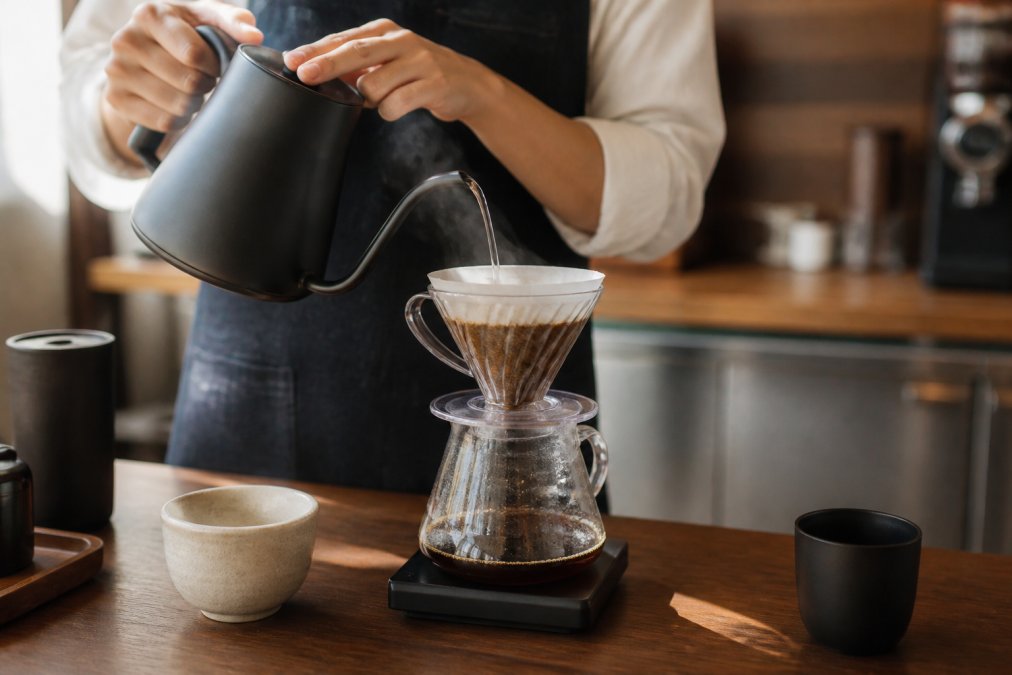
Total Time: 8-10 minutes Difficulty: Intermediate
What You'll Need
- 20g freshly ground micro lot coffee (medium-fine grind for V60)
- 300g filtered water at 93°C (200°F)
- V60 dripper, paper filter, and carafe or cup
- Scale and timer
- Rinse the filter with hot water to remove paper taste and pre-heat the dripper. Discard the rinse water.
- Add ground coffee to the rinsed filter and place on your scale. Tare to zero.
- Bloom: Pour 40g of water in a slow, circular motion starting from the center. Start your timer. Wait 30-45 seconds. You should see the grounds swell as CO₂ releases.
- First pour: At 45 seconds, pour steadily to 150g total, moving in slow concentric circles.
- Second pour: At 1:30, pour to 225g total. Maintain a steady, controlled stream.
- Final pour: At 2:15, pour to 300g. The drawdown should complete between 3:00 and 3:30 total.
- Taste before adding anything. Microlot coffee is designed to be experienced black first.
Expected Result: A clean, layered cup with distinct tasting notes. If the brew tastes flat or sour, extraction was too short. If it tastes bitter or harsh, extraction ran too long.
Advanced Brewing Adjustments by Processing Method
Washed process: Brew hotter (94°C-96°C) and slightly finer grind. The clean profile can handle higher extraction without muddying. Expect bright acidity and floral notes.
Natural process: Brew cooler (88°C-91°C) and coarser grind. Natural fermentation already adds sweetness and complexity; over-extraction amplifies the fruit into something overwhelming. Reduce brew ratio to 1:14 to concentrate body without bitterness.
Honey process: Brew at 91°C-93°C with a medium grind. Honey-process beans reward a slightly longer bloom (45-60 seconds) because the residual mucilage creates a denser bean that takes longer to degas fully.
Troubleshooting Extraction for Rare Varieties
Rare varietals often behave differently from commercial Arabica blends.
Under-extraction symptoms: Sour, sharp, thin body, no sweetness. Fix: finer grind, higher water temperature, or longer steep time.
Over-extraction symptoms: Bitter, dry, astringent finish. Fix: coarser grind, lower water temperature, or shorter contact time.
Channeling in pour-over: Uneven extraction caused by water finding a path of least resistance through the grounds. Fix: ensure even saturation during bloom, use a Gooseneck kettle for flow control, and level your grounds before brewing.
Flat or muted flavor: Often caused by water that is too soft or too hard. According to Specialty Coffee Association water quality standards, the ideal total dissolved solids for brewing specialty coffee fall between 75 and 250 parts per million. If your tap water is heavily filtered or softened, add a small amount of mineral content back via a brewing-specific mineral packet.
Coffee Water-to-Bean Ratio: Getting the Numbers Right
The coffee water-to-bean ratio is the single most controllable variable in brewing. The standard starting point for specialty coffee is 1:15, one gram of coffee for every 15 grams of water. For a 300ml cup, that means 20g of coffee.
| Brew Method | Recommended Ratio | Grind Size | Water Temp |
|---|---|---|---|
| V60 Pour-Over | 1:15 to 1:17 | Medium-fine | 93°C-96°C |
| Chemex | 1:15 to 1:17 | Medium-coarse | 93°C-96°C |
| AeroPress | 1:12 to 1:15 | Medium-fine | 88°C-93°C |
| French Press | 1:12 to 1:14 | Coarse | 90°C-93°C |
Adjust the ratio to taste. A lower ratio (1:12) produces a stronger, more concentrated cup. A higher ratio (1:17) produces a lighter, more delicate cup, often preferable for washed microlots. Changing ratio is not the same as changing grind size: ratio controls strength, grind size controls extraction quality. Adjust them independently.
How to Taste Coffee Notes Like a Trained Palate
Tasting specialty coffee is a learnable skill. The Specialty Coffee Association's Q Grader certification is built on a systematic approach to flavor assessment, as documented by SCA's Q Grader program overview.

Start with aroma before the first sip. Smell the dry grounds, then smell the wet bloom. Aroma primes your palate and accounts for a significant portion of flavor perception.
Then taste in this sequence:
- Acidity: The bright, lively quality that makes your mouth water. Washed microlots tend toward higher acidity, brightness, not sourness.
- Sweetness: Present even in black coffee. Natural and honey-process beans often show caramel, fruit, or molasses sweetness.
- Body: The weight and texture on your palate. French press naturals feel heavier than V60 washed coffees.
- Finish: What lingers after you swallow. A long, clean finish is a hallmark of high-quality microlots.
Storage and Freshness: Making Your Microlot Last
Microlot coffee is perishable. The enemies are oxygen, moisture, light, and heat, oxygen being the biggest threat.
Whole beans should be stored in an airtight container with a one-way CO₂ valve, in a cool, dark location. Do not refrigerate or freeze beans that you plan to use within two weeks. For longer storage (more than three weeks), freezing in an airtight, portioned container is acceptable, but only freeze once. Most specialty roasters recommend consuming beans within 28 days of the roast date for peak flavor.
A common mistake is buying large quantities to save on shipping and then drinking stale coffee for weeks. For microlots specifically, smaller, more frequent orders preserve the experience you paid for.
As noted in National Coffee Association guide to coffee freshness, proper storage is one of the most overlooked factors in home brewing quality, and one of the easiest to fix.
Common Mistakes to Avoid When Brewing Microlot Beans
The most common mistake is treating a microlot like any other coffee. These beans were grown, harvested, and processed with precision that most commercial coffee never sees.
Using pre-ground coffee. Ground coffee stales within minutes. If you are buying microlot beans pre-ground, you are paying microlot prices for commodity-level freshness.
Ignoring the roast date. A roast date older than 30 days is a red flag. Freshness is not optional for specialty coffee.
Skipping the bloom. The bloom phase releases trapped CO₂ that, if not vented, creates uneven extraction and a slightly sour, underdeveloped cup.
Brewing too hot for naturals. Natural-process beans are already sweet and complex. High water temperature over-extracts those compounds and turns sweetness into bitterness.
Not tasting black first. Milk and sugar mask the tasting notes that make a microlot worth its price.
Inconsistent grind. If your grind size changes between sessions, your extraction will change too. Weigh your coffee and dial in your grinder with small adjustments until the cup is where you want it.
Brewing micro lot coffee well requires matching your technique to the specific bean in your hand. The processing method, varietal, and roast profile all change the optimal extraction parameters, and generic brewing advice will not get you there. Cafe de Mattier sources its micro lot coffee from family-owned estates using a slow-roast tradition that preserves the floral notes, silk-like body, and layered complexity these beans are capable of expressing. To stay informed on new microlot arrivals, roast profiles, and brewing guidance tailored to each harvest, subscribe to the Cafe de Mattier email list and brew with intention.
Frequently Asked Questions
What is a microlot coffee?
A microlot is a small, precisely defined batch of coffee harvested from a specific plot of land on a single farm, often just a few acres or even a single row of trees. Because the batch size is so small, every variable, terroir, varietal, harvest timing, and processing method, is tracked and controlled. This traceability is what separates microlot coffee from broader single-origin offerings, and it's the main reason the flavor profile tends to be more distinct and complex.
How does brewing micro lot coffee differ from standard coffee?
Micro lot coffee rewards precision that standard coffee can tolerate skipping. Grind size, water temperature, brew ratio, and even the bloom time all affect how the nuanced tasting notes, floral, fruit-forward, or tea-like acidity, come through. A coarser grind or water that's too hot can flatten the sweetness and body that make these beans worth the price. The brewing method also matters more: pour-over and AeroPress tend to preserve the clarity that makes microlot characteristics identifiable.
What is the best water-to-bean ratio for specialty coffee?
A starting ratio of 1:15 to 1:17 (1 gram of coffee to 15-17 grams of water) works well for most specialty pour-overs. For a more concentrated AeroPress shot, a 1:10 ratio is common. Washed-process microlots often taste cleaner at the lower end of that range, while natural-process beans with heavier body can handle a 1:16 or 1:17 ratio without tasting thin. Always weigh both coffee and water, volume measurements introduce too much inconsistency for high-value beans.
How should I store micro lot coffee to preserve its flavor profile?
Store whole beans in an airtight, opaque container at room temperature, away from direct sunlight, heat, and moisture. Avoid the refrigerator, condensation degrades the oils that carry the tasting notes. Microlot coffee is typically best consumed within 2-4 weeks of the roast date. Buy in smaller quantities if possible, since the small batch sizes these beans come in are actually an advantage: fresher coffee, more often. Grinding immediately before brewing preserves the most volatile aromatics.
This article was written using GrandRanker