

Avoiding Common Mistakes in Brewing Fresh Coffee
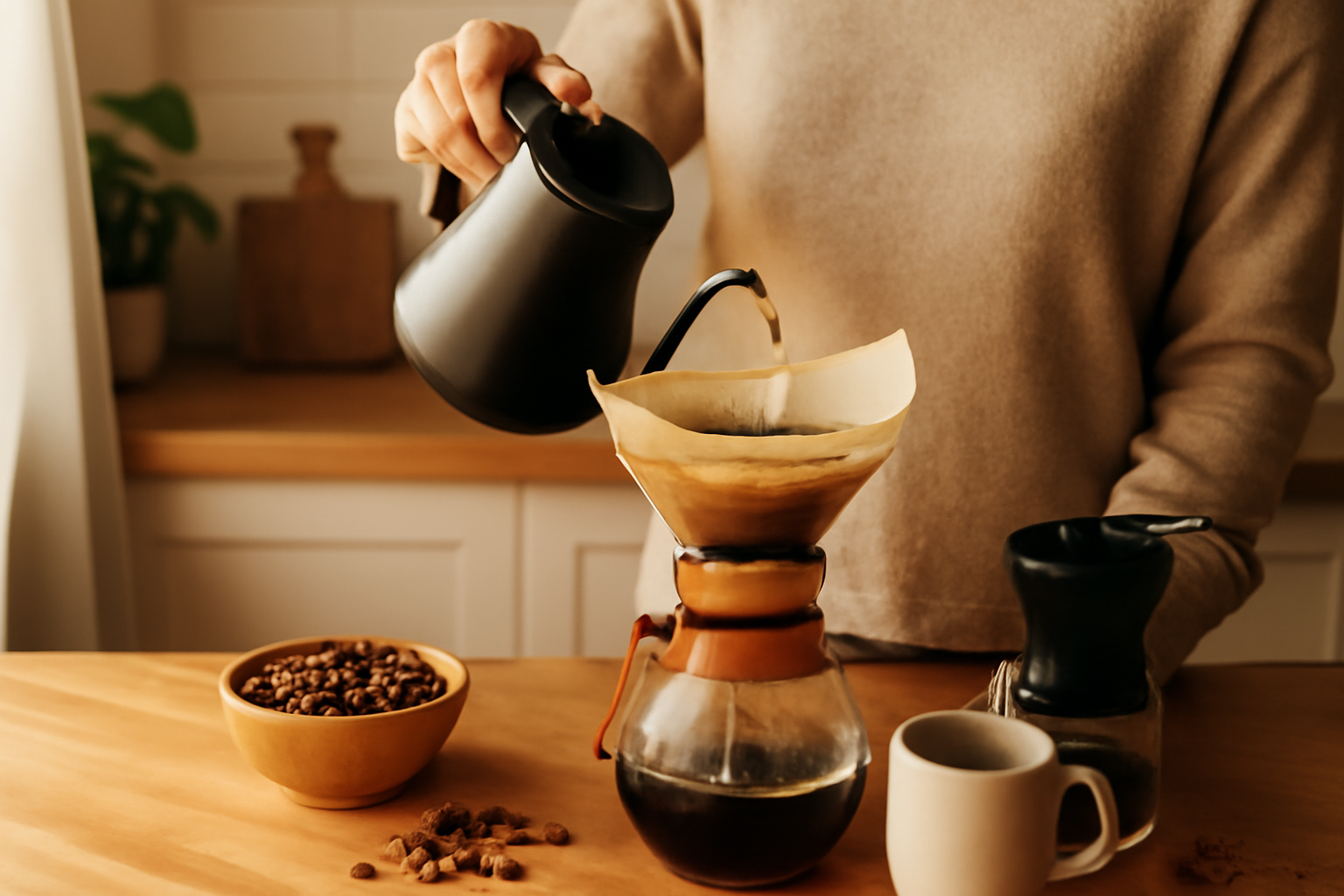
Brewing fresh coffee can be a delightful experience, but many enthusiasts unknowingly make mistakes that ruin their perfect cup. Whether you're a busy mom needing a quick pick-me-up, an entrepreneur seeking focus, or a college student pulling an all-nighter, understanding these common pitfalls is essential.
This guide outlines frequent errors in coffee brewing, their causes, and practical solutions to help you enjoy a richer, more flavorful cup. From choosing the right coffee beans to perfecting your brewing method, we'll cover everything you need to elevate your coffee game.
Table of Contents
Quick Diagnosis
To quickly identify if you're making common brewing mistakes, consider these symptoms: Discover the Joy of Fresh Coffee Delivered to Your Doorstep.
- Your coffee tastes bitter or sour.
- The aroma is weak or nonexistent.
- Your coffee is too weak or too strong.
- You notice an unpleasant aftertaste.
If you recognize any of these signs, it's likely that your brewing method needs some adjustments. Below are some practical steps to help you diagnose and correct these issues. Cefe De Mattier coffee choices.
1. Assessing Flavor Profiles
Start by evaluating the flavor of your coffee. If it tastes bitter, this could indicate over-extraction, where too much of the coffee's compounds have been extracted during brewing. Conversely, a sour taste suggests under-extraction, meaning not enough compounds were extracted. Aim for a balanced flavor that showcases the coffee's natural characteristics.
2. Checking the Aroma
Aroma plays a crucial role in the overall coffee experience. If your coffee lacks aroma, consider the following:
- Freshness of Beans: Ensure your coffee beans are fresh. Coffee loses its aroma quickly after roasting, so purchase small batches and store them properly.
- Grinding: The grind size affects aroma release. A coarse grind may not extract enough oils, while a fine grind can lead to over-extraction. Experiment with different grind sizes to find the right balance.
3. Strength Adjustment
If your coffee is too weak or too strong, adjust your coffee-to-water ratio. Here's a simple checklist:
- Standard Ratio: A general guideline is to use 1 to 2 tablespoons of coffee for every 6 ounces of water. Adjust according to your taste preference.
- Measure Accurately: Use a scale for precision. A typical ratio is 1:15 (coffee to water). For instance, if you use 20 grams of coffee, you should use 300 grams of water.
4. Aftertaste Examination
An unpleasant aftertaste can stem from several factors:
- Water Quality: Use filtered water to avoid mineral or chemical flavors that can taint your coffee.
- Clean Equipment: Regularly clean your brewing equipment. Residue from old coffee oils can lead to off-flavors.
5. Experiment and Document
Keep a brewing journal to track your methods, ratios, and results. This will help you identify patterns in your brewing process and make it easier to pinpoint what adjustments yield the best coffee. Note the following:
- Date and time of brewing.
- Type of coffee beans and roast level.
- Grind size and brewing time.
- Water temperature and quality.
- Your tasting notes on flavor and aroma.
By following these steps, you can effectively diagnose and remedy common brewing mistakes, leading to a more enjoyable coffee experience. Adjusting your brewing method based on these observations will enhance the quality of your coffee, ensuring that every cup is a delight.
Common Mistakes in Brewing Fresh Coffee
1. Using Old or Stale Coffee Beans
One of the most significant mistakes is using coffee beans that have lost their freshness. Coffee beans start to oxidize and lose flavor within weeks of roasting. Always opt for a premium coffee selection that emphasizes freshness. Consider a coffee subscription service to ensure you receive freshly delivered coffee regularly.
2. Incorrect Coffee-to-Water Ratio
The coffee-to-water ratio is crucial for achieving the desired strength and flavor in your brew. A common guideline is two tablespoons of coffee for every six ounces of water. Experiment to find your perfect ratio, but avoid ratios that are too weak or too strong, as they can lead to under-extraction or over-extraction.
3. Inconsistent Grind Size
The grind size of your coffee beans matters significantly. A coarse grind is ideal for methods like French press, while a fine grind works best for espresso. Inconsistent grind sizes can lead to uneven extraction, affecting the flavor. Invest in a good burr grinder to achieve uniformity in your grind size.
4. Using Water That's Too Hot or Too Cold
Water temperature plays a vital role in brewing. The optimal range is between 195°F to 205°F. Water that's too hot can scald the coffee, while water that's too cold can result in under-extraction. Use a thermometer or let your boiled water sit for about 30 seconds before brewing to achieve the perfect temperature.
5. Ignoring Brew Time
Different brewing methods require different brew times. For instance, a French press typically needs four minutes, while espresso requires about 25-30 seconds. Ignoring these times can lead to imbalanced flavors. Use a timer to ensure consistency in your brewing process.
Fix It Fast
If you've identified a problem with your coffee, here are some quick fixes that can elevate your brewing experience and enhance the flavor of your cup. Implementing these adjustments can lead to immediate improvements in taste and aroma.
- Switch to a coffee lovers collection that emphasizes freshness. Look for blends labeled as "freshly roasted" or "small-batch." These options often have a more pronounced flavor profile and can significantly enhance your coffee experience. Consider trying a subscription service that delivers fresh coffee regularly to your doorstep, ensuring you always have high-quality beans on hand.
- Adjust your coffee-to-water ratio based on taste preferences. A common starting point is to use 1 to 2 tablespoons of coffee per 6 ounces of water. Experiment with this ratio to find your ideal strength. If your coffee tastes weak, increase the coffee amount; if it's too strong or bitter, reduce it. Keeping a simple checklist can help you track your adjustments until you find the perfect balance:
- Start with a 1:15 coffee-to-water ratio.
- Make adjustments in increments of 0.5 tablespoons.
- Note the changes and your taste preferences in a coffee journal.
- Use a burr grinder to ensure consistent grind size. A burr grinder provides uniformity in grind size, which is crucial for even extraction. If you're using a blade grinder, the coffee particles can vary in size, leading to over-extraction of some grounds and under-extraction of others. Aim for a grind size that matches your brewing method: coarse for French press, medium for drip coffee, and fine for espresso. Regularly clean your grinder to prevent old coffee oils from affecting the flavor of your fresh beans.
- Monitor water temperature and brew times carefully. The ideal brewing temperature for coffee is between 195°F and 205°F. If your water is too hot, it can scorch the coffee, leading to bitterness; too cool, and it can under-extract, resulting in a sour taste. Use a thermometer for precision, or invest in a kettle with temperature control. Additionally, adjust your brew time based on the method you're using. For example:
- French press: 4 minutes
- Pour-over: 3-4 minutes
- Espresso: 25-30 seconds
Implementing these quick fixes can transform your coffee experience. Remember, coffee brewing is both an art and a science, and small adjustments can lead to significant improvements in flavor and satisfaction. Enjoy experimenting with these tips to discover your perfect cup!
Understanding Flavor Profiles of Coffee Beans
Each coffee bean has unique flavor profiles influenced by its origin, processing, and roast level. Familiarize yourself with these profiles to choose beans that align with your taste preferences. Whether you prefer fruity, nutty, or chocolatey notes, knowing what to look for can enhance your brewing experience.
1. Coffee Bean Origins
The origin of coffee beans plays a significant role in their flavor profiles. Different regions produce beans with distinct characteristics. For example:
- Ethiopian Beans: Often exhibit bright acidity with floral and fruity notes. They can taste like berries or citrus.
- Colombian Beans: Known for their balanced flavor, they typically have a mild sweetness with nutty and caramel undertones.
- Brazilian Beans: Usually low in acidity, they offer chocolatey and nutty flavors, making them a great choice for espresso.
- Sumatra Beans: These beans are known for their earthy, full-bodied flavor with herbal notes and low acidity.
To better understand the flavor profiles from different origins, consider trying a coffee tasting flight. This allows you to sample various beans side by side and identify your preferences.
2. Processing Methods
The processing method used for coffee beans also impacts their flavor. Here are common methods and their effects:
- Washed (Wet) Process: This method removes the coffee cherry's outer fruit before fermentation. It often results in a cleaner, brighter flavor profile, highlighting acidity and fruitiness.
- Natural (Dry) Process: In this method, beans are dried with the cherry still intact, which can lead to a sweeter, fruitier flavor with more body.
- Honey Process: A hybrid of the washed and natural methods, this technique leaves some of the fruit on the bean during drying, resulting in a balance of sweetness and acidity.
When selecting coffee, inquire about the processing method to find flavors that resonate with your palate.
3. Roast Levels
The roast level significantly affects the flavor profile of coffee. The main categories include:
- Light Roast: Retains the original flavor of the beans, often fruity or floral. Ideal for those who appreciate the unique characteristics of the bean's origin.
- Medium Roast: Offers a balance between acidity and body, with hints of sweetness. This roast is versatile and popular among many coffee drinkers.
- Dark Roast: Characterized by a bold, robust flavor with a smoky or bitter profile. It often masks the original bean flavors, making it suitable for those who prefer a strong coffee.
If you're unsure about which roast suits your taste, start with a medium roast and experiment from there. You can also try blending different roasts to create a customized flavor profile.
4. Tasting Notes
When exploring coffee flavors, pay attention to tasting notes described by roasters. Common notes include:
- Fruity: Berry, citrus, or tropical flavors.
- Nutty: Almond, hazelnut, or peanut-like flavors.
- Chocolatey: Dark chocolate, milk chocolate, or cocoa notes.
- Spicy: Cinnamon, clove, or peppery hints.
Keep a coffee journal to note your observations about different beans and their tasting notes. This practice will help you refine your preferences and discover new favorites.
5. Common Mistakes to Avoid
Understanding flavor profiles can enhance your brewing experience, but there are common mistakes to avoid:
- Ignoring Freshness: Coffee beans lose flavor over time. Always buy from reputable sources that ensure freshness, and store your beans in an airtight container away from light.
- Overlooking Grind Size: The grind size affects extraction. Use a coarser grind for French press and a finer grind for espresso to achieve optimal flavor.
- Using Incorrect Water Temperature: Brewing with water that is too hot can scorch the beans, while water that is too cool can under-extract flavors. Aim for a temperature between 195°F and 205°F.
- Not Experimenting: Don't be afraid to try different beans, brewing methods, and ratios. Every change can lead to a new flavor experience.
By understanding these elements and avoiding common pitfalls, you can significantly enhance your coffee brewing experience, leading to a more enjoyable cup every time. Remember, the journey to finding your perfect coffee is personal, so take your time and savor the process.
Choosing the Right Brewing Method
Different brewing methods can significantly impact the flavor and aroma of your coffee. Here are a few popular methods:
- French Press: Great for a full-bodied cup.
- Pour Over: Allows control over extraction.
- Espresso: Concentrated and bold flavor.
- Chemex: Clean and crisp taste.
Experimenting with these methods can help you discover the one that best suits your style and preferences.
Conclusion
Improving your coffee brewing skills starts with recognizing and correcting common mistakes. By focusing on freshness, the right ratios, and proper techniques, you can enjoy a consistently delicious cup. For busy individuals, the convenience of coffee delivery can ensure you always have access to high-quality coffee. Take the next step in your coffee journey by exploring the Cefe De Mattier coffee choices to elevate your home brewing experience.