

How to Choose the Best Fresh Coffee for Your Lifestyle
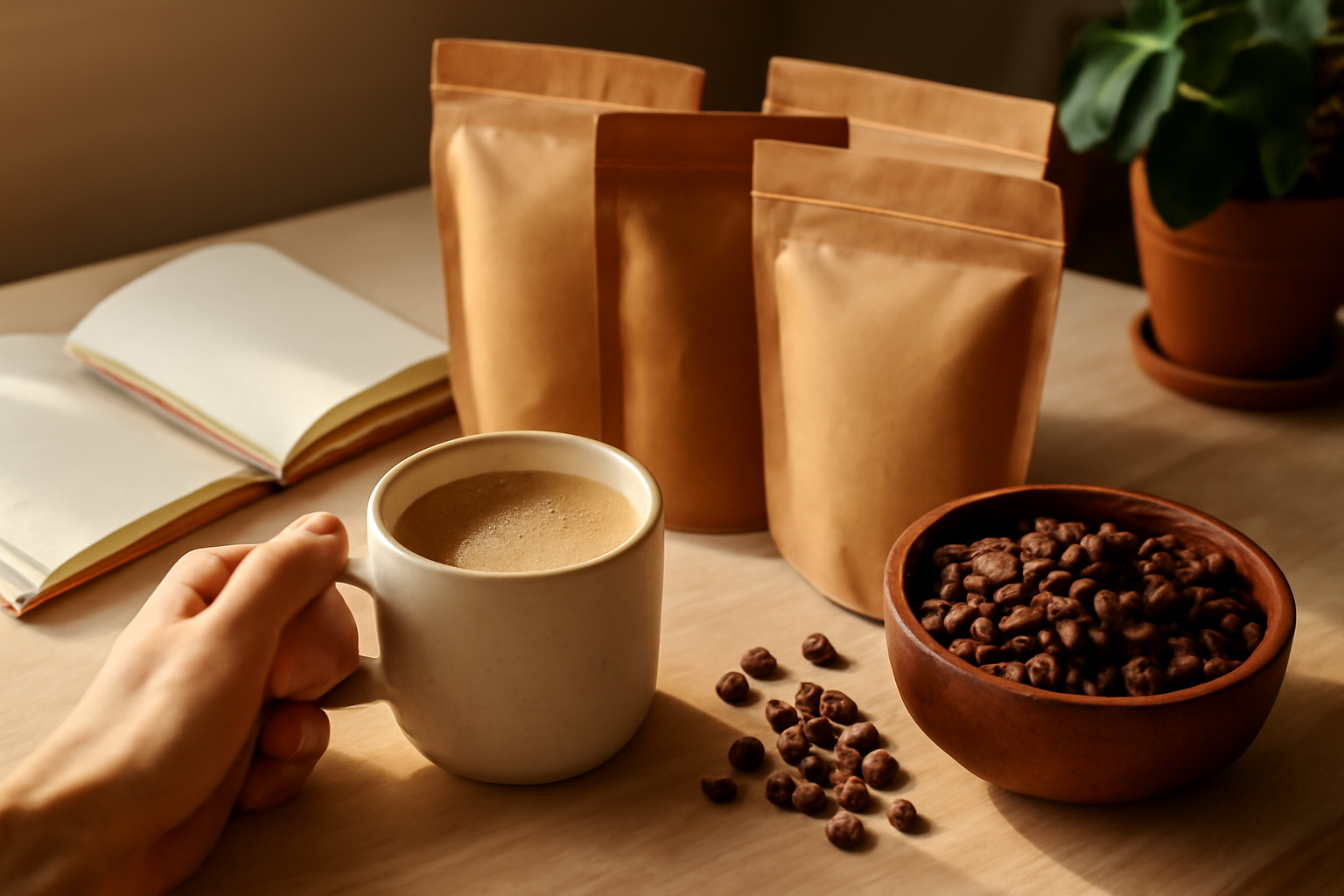
In the world of coffee, freshness can significantly impact flavor, aroma, and overall experience. Many coffee lovers wonder if fresh coffee is truly better than the pre-packaged options found on grocery store shelves. With the rise of home brewing, ensuring you select the right coffee for your needs has never been more important.
This guide is designed to help you navigate your choices in fresh coffee, highlighting what to look for, common pitfalls, and offering a decision checklist. Whether you are a busy mom, an entrepreneur, or a fitness lover, understanding how to choose fresh coffee can enhance your daily routine.
Table of Contents
Who This Guide Is For
This guide is for anyone who values a high-quality morning brew and wants to elevate their coffee experience. Whether you're a remote worker needing that perfect cup to kickstart your day or a college student looking for a reliable caffeine fix, this information will help you make informed choices. Fresh coffee is ideal for those who appreciate flavor, aroma, and the overall ritual of brewing, and want to say goodbye to basic coffee. Discover the Joy of Fresh Coffee Delivered to Your Doorstep.
Additionally, this guide caters to busy moms who juggle multiple responsibilities and need a quick yet satisfying coffee solution. Entrepreneurs seeking a premium coffee to fuel their creativity and productivity will find valuable insights here as well. Fitness lovers interested in incorporating quality coffee into their routines can also benefit from the tips and recommendations provided. Each of these groups shares a common desire: to enjoy a rich, flavorful coffee experience without the hassle of subpar options. Cefe De Mattier blends.
To help you determine if this guide is right for you, consider the following checklist:
- Do you often find yourself dissatisfied with the taste of your current coffee?
- Are you looking for ways to enhance your morning routine?
- Do you prioritize quality and freshness when it comes to your coffee choices?
- Are you interested in exploring different brewing methods and coffee types?
- Do you want to support organic and fair-trade coffee producers?
If you answered "yes" to any of these questions, you're in the right place. This guide will not only provide you with the knowledge to make better coffee choices but will also inspire you to embrace the art of brewing fresh coffee at home, allowing you to savor every sip.
Common Mistakes to Avoid
When transitioning to fresh coffee, there are some common pitfalls to be aware of:
- Ignoring the grind: The grind size of your coffee beans can significantly impact flavor. Ensure that you choose the right grind for your brewing method-coarse for French press, medium for drip coffee, and fine for espresso.
- Using stale beans: Always check the roast date on your coffee packaging. Freshness is key to flavor, so opt for beans roasted within the last two weeks.
- Not storing coffee properly: Store your coffee beans in an airtight container in a cool, dark place to preserve their freshness. Avoid the fridge or freezer, as moisture can ruin the beans.
- Overlooking water quality: The water you use plays a crucial role in the taste of your coffee. Use filtered water for the best results, as tap water can contain impurities that affect flavor.
- Neglecting brewing temperature: The ideal brewing temperature for coffee is between 195°F and 205°F. Using water that is too hot can extract bitter flavors, while water that is too cool may result in under-extraction.
By being aware of these common mistakes, you can ensure that your journey into the world of fresh coffee is as enjoyable and rewarding as possible. Remember, the goal is to enhance your coffee experience and discover new flavors that elevate your daily routine.
What to Look For in Fresh Coffee
When selecting fresh coffee, consider the following criteria to ensure you get a product that suits your tastes and needs:
1. Roast Date
Fresh coffee should have a roast date printed on the packaging. Look for coffee that has been roasted within the last two weeks for optimal flavor. The closer to the roast date, the fresher the coffee.
2. Type of Beans
Different coffee beans offer various flavor profiles. Arabica beans are known for their sweetness and complexity, while Robusta beans tend to have a stronger, more bitter flavor. Experiment with different types to find what suits your palate.
3. Grind Size
The grind size of your coffee can affect the brewing process and taste. If you're using a drip coffee maker, a medium grind is usually best. For espresso, you'll want a fine grind. Purchase whole beans and grind them just before brewing for maximum freshness.
4. Sourcing and Quality
Look for coffee that is organic and fair-trade certified. These options not only support sustainable farming practices but also typically ensure higher quality beans. Small-batch roasters often produce better flavors than mass-produced brands.
5. Packaging
Fresh coffee should be packaged in airtight bags to prevent exposure to air, light, and moisture. Look for bags with one-way valves, which allow gases from the coffee to escape while keeping air out.
Common Pitfalls to Avoid
Understanding what to avoid can be just as crucial as knowing what to look for. Here are some common mistakes people make when choosing fresh coffee:
1. Ignoring Roast Dates
Purchasing coffee without checking the roast date can lead to stale flavors. Always choose the freshest option available.
2. Buying Pre-Ground Coffee
Pre-ground coffee loses its freshness quickly. Invest in a good grinder and buy whole beans instead.
3. Overlooking Brewing Methods
Not all coffee is suitable for every brewing method. Make sure the coffee you choose matches your brewing style for the best results.
Decision Checklist for Choosing Fresh Coffee
To make your selection process easier, here's a quick checklist to ensure you choose the right fresh coffee:
- Check the roast date to ensure freshness.
- Identify the type of beans you prefer (Arabica vs. Robusta).
- Consider the grind size required for your brewing method.
- Look for organic and fair-trade certifications.
- Ensure the coffee is packaged in a way that preserves freshness.
Detailed Steps for Each Checklist Item
To make the most informed decision, let's dive deeper into each checklist item:
1. Check the Roast Date
Freshness is key in coffee. Ideally, you want to consume coffee within two weeks of its roast date. When selecting coffee, look for:
- Roast dates printed on the bag, preferably in a clear and visible location.
- A roasting company that adheres to a "roasted on" date rather than a "best by" date, as the latter can often mislead consumers about true freshness.
2. Identify Your Bean Preference
Understanding the differences between Arabica and Robusta beans can greatly influence your coffee experience:
- Arabica: Known for its sweeter, softer taste and complex flavor profiles. Ideal for those who appreciate a nuanced cup.
- Robusta: Has a stronger, harsher taste with a grainy or nutty flavor. Higher caffeine content makes it a favorite for espresso blends.
Consider trying a blend of both to find your perfect balance.
3. Consider Grind Size
The grind size of your coffee beans is crucial for optimal extraction:
- Coarse Grind: Best for French press and cold brew methods.
- Medium Grind: Suitable for drip coffee makers and pour-over methods.
- Fine Grind: Ideal for espresso machines and AeroPress.
Always match your grind size with your brewing method to ensure the best flavor extraction.
4. Look for Certifications
Choosing organic and fair-trade certified coffee not only supports sustainable farming practices but also assures quality:
- Organic Certification: Indicates that the coffee is grown without synthetic fertilizers and pesticides, often resulting in a cleaner taste.
- Fair Trade Certification: Ensures that farmers receive fair compensation and promotes sustainable farming practices.
Seek brands that actively display these certifications on their packaging.
5. Packaging Matters
Proper packaging is essential for maintaining the freshness of your coffee:
- Look for bags with one-way valves that allow gases to escape while preventing air from entering.
- Opaque bags are preferable to transparent ones, as light can degrade coffee quality over time.
- Consider resealable bags or containers for long-term storage at home to keep your coffee fresh longer.
Common Mistakes to Avoid
While selecting fresh coffee, be mindful of these common pitfalls:
- Choosing coffee solely based on price without considering quality.
- Overlooking the importance of grind size for your specific brewing method.
- Ignoring the roast date and opting for older stock that may lack flavor.
- Purchasing coffee from brands that do not prioritize ethical sourcing.
By avoiding these mistakes and following the checklist, you can confidently choose fresh coffee that suits your taste and preference, ensuring a delightful coffee experience every time.
Quick Picks by Scenario
Depending on your lifestyle and needs, here are some quick picks for fresh coffee:
- Beginner: Start with a medium roast Arabica for a balanced flavor. This type of coffee is usually less acidic and more approachable for new coffee drinkers. Consider brands that offer a sampler pack so you can try different origins without committing to a large bag. A good example is a blend from Central America, which often has notes of chocolate and nuts, making it a delightful introduction to fresh coffee.
- Budget: Seek out local roasters who offer quality at a reasonable price. Many local coffee shops have their own roasting operations and provide fresh beans at competitive prices. Look for promotions or loyalty programs that reward repeat purchases. You can also check for community-supported agriculture (CSA) programs that include coffee, allowing you to support local businesses while saving money. Remember to compare prices per ounce to ensure you're getting the best deal.
- Time-Limited: Opt for coffee that is easy to brew, such as single-serve pods or pre-measured bags. These options are perfect for busy mornings when you're short on time. Look for brands that use high-quality beans and have eco-friendly packaging. For instance, some brands offer compostable pods, which are a great choice for environmentally conscious consumers. Additionally, consider investing in a coffee maker with a timer, so your brew is ready when you wake up.
- Flexible: Choose a variety pack of different beans to explore flavors at your own pace. This allows you to experiment with different roasts, origins, and flavor profiles without committing to a single type. Look for subscription services that allow you to customize your selections based on your taste preferences. When trying new beans, keep a coffee journal to note your thoughts on each type, which can help you refine your preferences over time. You may discover that you enjoy a light roast from Ethiopia one week and a dark roast from Sumatra the next!
By identifying your specific needs and preferences, you can make informed decisions about which fresh coffee options will best suit your lifestyle. Remember, the journey to finding your perfect cup can be just as enjoyable as the coffee itself!
Conclusion
Choosing fresh coffee can transform your daily routine, offering you a richer, more satisfying experience. By understanding what to look for and avoiding common pitfalls, you can confidently select the right coffee for your lifestyle. Remember to prioritize freshness, quality, and flavor to create the perfect brew. Now is the time to embrace the convenience of coffee delivery and elevate your coffee game. Start exploring your options today!
Steps to Choose the Right Fresh Coffee
- Assess Your Taste Preferences: Consider whether you prefer light, medium, or dark roasts. This will help narrow down your options.
- Check Roast Dates: Always look for coffee that has a roast date printed on the bag. Fresh coffee should ideally be consumed within 2-4 weeks of roasting.
- Research Sourcing: Investigate where the coffee beans are sourced. Look for brands that emphasize organic and fair-trade practices.
- Experiment with Brewing Methods: Different brewing methods can highlight various flavor profiles. Try a French press, pour-over, or espresso to see what you enjoy most.
- Read Reviews: Look for customer feedback on flavor, aroma, and overall satisfaction to guide your choices.
Common Mistakes to Avoid
- Ignoring the Roast Date: Purchasing coffee without checking the roast date can lead to stale coffee.
- Buying Pre-Ground Coffee: Whole beans retain freshness longer. Always opt for whole beans and grind them just before brewing.
- Overlooking Storage: Store your coffee in an airtight container in a cool, dark place to maintain its freshness.
- Neglecting to Experiment: Sticking to one type of coffee can limit your experience. Don't hesitate to try different varieties and blends.
- Forgetting About Water Quality: The quality of water used can significantly affect the taste of your coffee. Use filtered water for the best results.
Checklist for Fresh Coffee Selection
- Roast date is visible and recent.
- Coffee is sourced from reputable farms.
- Preferably organic and fair-trade certified.
- Whole beans are available for purchase.
- Positive reviews regarding flavor and freshness.
- Offers a variety of blends to try.
By following these steps and avoiding common pitfalls, you can ensure that your coffee experience is not only enjoyable but also tailored to your preferences. The journey to finding your perfect cup of coffee is an exciting one, filled with exploration and discovery. With the convenience of online coffee delivery, you can easily access high-quality, fresh coffee right at your doorstep. Dive into the world of fresh coffee, and enjoy the rich flavors and aromas that await you!