

Peet's Alternative for Artisanal Roasts: 5 Small-Batch Picks
Table of Contents
- Why Look Beyond Peet's for Artisanal Roasts
- Quick Comparison: Cafe de Mattier Artisanal Roasts
- Sumatra: The Single-Origin Dark Roast for Syrupy Depth
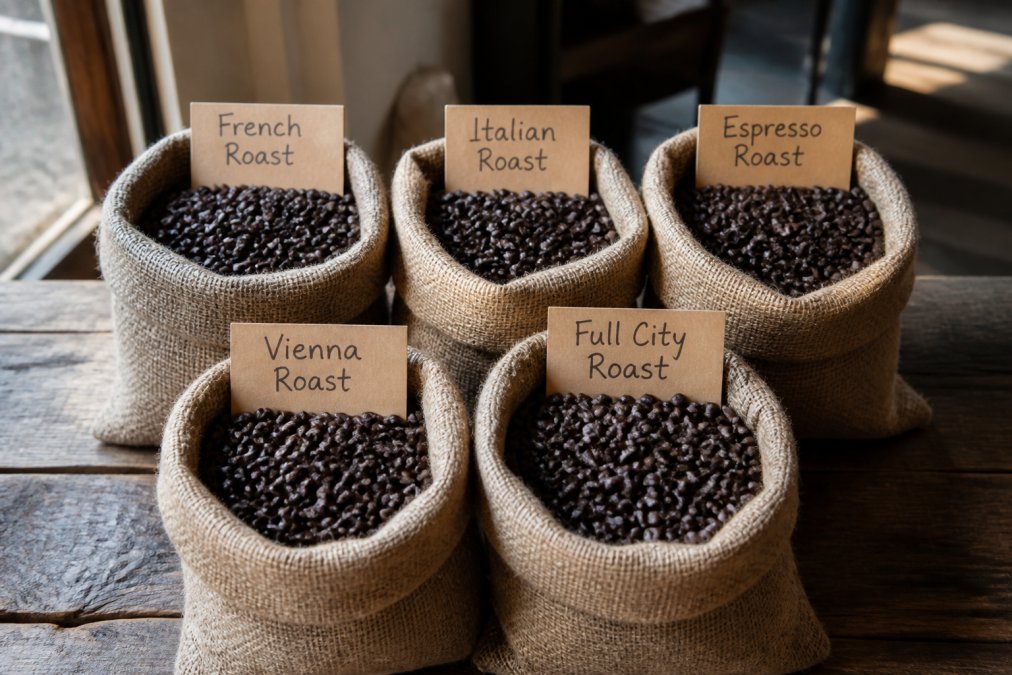
- French Roast: A Central American Answer to a Classic Profile
- Italian Roast and 6 Bean Blend: For Espresso and Bold Cups
- How to Choose Artisanal Coffee Beans: A Practical Guide
- Micro-Lot Coffee Benefits vs. Mass-Produced Dark Roasts
- Are These the Best Specialty Coffee Subscriptions for You?
- Frequently Asked Questions
Last Updated: September 6, 2026
Why Look Beyond Peet's for Artisanal Roasts
For decades, Peet's has been the default for bold, dark coffee in America. Yet the specialty coffee movement has shifted toward freshness, transparency, and origin character, and many now seek a Peet's alternative with that same boldness and more nuance.
At Cafe de Mattier, the gap between mass-market dark roasts and true artisanal roasting comes down to bean sourcing, roast date, and batch size. Artisanal roasts are small-batch productions where the roaster can taste and adjust each lot, yielding coffee with a distinct sense of place, roasted to highlight what the bean naturally offers instead of masking it behind a uniformly dark shell.
The difference becomes obvious when you compare a bag with a roast date against a supermarket bag roasted months ago. Freshly roasted coffee releases carbon dioxide for days, changing how it extracts and tastes (peer-reviewed research).
Below, we'll walk through five specific roasts for dark, bold coffee with more complexity, how to choose artisanal beans, what micro-lot benefits matter, and whether these are the best specialty coffee subscriptions for your ritual.
Quick Comparison: Cafe de Mattier Artisanal Roasts
Cafe de Mattier offers a focused lineup of small-batch, French-inspired roasts sourced from micro-lots and family-owned estates. Each roast is crafted through a slow-roast tradition that prioritizes complexity, floral notes, and a silk-like body over sheer bitterness. The table below summarizes the core options at a glance.
| Roast | Origin Profile | Cupping Character | Best For |
|---|---|---|---|
| Sumatra | Single-origin, Aceh region | Syrupy body, dark chocolate, earthy | Pour-over and French press |
| French Roast | Central American blend | Balanced dark roast, classic profile | Everyday drip coffee |
| Italian Roast | Arabica/Robusta blend | Darkest roast, intense depth | Espresso and milk drinks |
| 6 Bean Blend | Multi-continent blend | Bold house character | Espresso and strong cups |
| African Espresso | Kenya, Tanzania, Ethiopia | Medium/dark, bright complexity | Espresso with fruit notes |
What stands out is the absence of a single "house roast" that tries to be everything. Instead, each offering targets a specific brewing method and palate. Each bag is priced at $23.99.

Sumatra: The Single-Origin Dark Roast for Syrupy Depth
The Sumatra roast is the strongest answer for anyone who loves the heavy body of a dark roast but wants more than char and bitterness. This single-origin coffee comes from the Aceh region's Koperasi Baitul Qiradh Baburrayyan cooperative, grown at 1100 to 1600 meters. The Giling Basha (wet-hulling) process, unique to Indonesia, contributes to the low acidity and heavy, syrupy mouthfeel.
Cupping notes include dark chocolate, dried fruit, and an earthy, lingering finish. For someone transitioning from a standard dark roast, this reveals what origin character tastes like beneath the roast level.
A common mistake is brewing Sumatra too hot or too fast. Use water just off the boil and give the grounds a proper bloom.
French Roast: A Central American Answer to a Classic Profile
The French Roast takes the classic profile Peet's popularized and rebuilds it with higher-quality beans. This dark roast blend of specialty-grade Central American coffee is roasted to the French level where sugars caramelize deeply but origin character still peeks through.
Compared to a generic French roast, the difference is sweetness.
This roast handles both drip and immersion methods well. In a French press, natural oils create a fuller mouthfeel; in a drip machine, you get a clean, consistent everyday cup.
Italian Roast and 6 Bean Blend: For Espresso and Bold Cups
The Italian Roast is Cafe de Mattier's darkest offering, a slow-roasted blend of specialty-grade Arabica and Robusta. The Robusta is deliberate: it adds crema, body, and a caffeine kick, making it right for espresso drinks where you want the coffee to punch through milk.
The 6 Bean Blend takes a different approach to the same goal. It's a meticulous blend of coffee from around the world, roasted dark and designed for espresso. Where the Italian Roast leans on Robusta for structure, the 6 Bean Blend uses origin variety to build a more complex profile.

A practical note on grind size: dark roasts are more soluble than light roasts, so they need a slightly coarser grind to avoid over-extraction and bitterness. If your espresso shots pull harsh or ashy, grind coarser before adjusting anything else.
How to Choose Artisanal Coffee Beans: A Practical Guide
Choosing artisanal beans is the first step, but the real difference between a good cup and a great one comes from how you brew them. Most guides stop at bean selection; this one goes further by showing how to optimize your brewing method for the specific roast profile.
Step 1: Match the Roast Profile to Your Brewing Method
Dark roasts are more soluble than light roasts because roasting breaks down the bean's cellular structure and caramelizes sugars, meaning they extract faster and are more prone to bitterness (sca.coffee). Here's how to adjust your method:
- French Press: Use a coarse grind (like sea salt) and water at 195°F to 200°F, not boiling. Steep for exactly 4 minutes, then press slowly. The coarse grind prevents over-extraction.
- Pour-Over (V60 or Chemex): Use a medium-coarse grind and water at 200°F. Dark roasts need a faster flow rate, so avoid a fine grind that clogs the filter and stalls the brew.
- Espresso: Use a slightly coarser grind than you would for a light roast. Dark roasts are more soluble, so a finer grind will pull harsh, bitter shots.
- Drip Machine: Use a medium grind and ensure your machine heats water to at least 195°F.
Step 2: Adjust Water Temperature by Roast Level
Water temperature is the most underrated variable in brewing dark roasts. Light roasts often need 205°F water to extract enough flavor; dark roasts are already highly soluble, so water that's too hot pulls out bitter, astringent compounds. Without a temperature-controlled kettle, boil water and let it sit 30 to 45 seconds before pouring.
Step 3: Dial in Your Grind Size by Taste
Grind size is the fastest lever to fix a bad cup. Here's a simple diagnostic:
- If your coffee tastes harsh, bitter, or ashy, your grind is too fine. Go coarser and re-brew.
- If your coffee tastes sour, thin, or weak, your grind is too coarse. Go finer and re-brew.
- If your coffee tastes flat or muted, your water may be too cool, or your beans may be too old. Check the roast date first.
For dark roasts, the most common mistake is grinding too fine. Because they're more soluble, they extract quickly, and a fine grind pushes them into over-extraction. When in doubt, err on the coarser side.
Step 4: Use the Right Coffee-to-Water Ratio
A standard ratio is 1:16 (one gram of coffee to 16 grams of water), but dark roasts often benefit from a slightly stronger 1:15. This compensates for the mass dark roasts lose during roasting. For a 12-ounce mug, that's roughly 22 grams of coffee to 330 grams of water.
Step 5: Store Beans to Preserve the Roast Profile
Artisanal dark roasts peak between 4 and 14 days after the roast date; after that, volatile flavor compounds fade. Store beans in an airtight, opaque container at room temperature. Buy in quantities you'll use within two to three weeks.
By pairing the right bean with the right brewing parameters, you'll get the full depth and complexity artisanal roasters build into their coffee.
Micro-Lot Coffee Benefits vs. Mass-Produced Dark Roasts
Micro-lot coffee benefits start with traceability. A micro-lot is a small, distinct batch from a specific farm or cooperative, often separated by variety, altitude, or processing method. Because the volume is small, the roaster can profile each lot individually to highlight its best qualities.
The practical difference shows up in the cup. Micro-lot coffees tend to have more pronounced tasting notes, cleaner acidity, and a more memorable aftertaste. They also cost more per pound.
Sustainability is another angle. When a roaster buys from named cooperatives, as with the Sumatra roast's relationship with KBQB, more of the retail price reaches growers.
[Coffee quality research from the Specialty Coffee(/blogs/news/is-artisanal-coffee-worth-the-price) Association | sca.coffee] has documented how altitude, processing, and variety influence cup character, which is why single-origin and micro-lot coffees can taste so different from commodity blends.
Are These the Best Specialty Coffee Subscriptions for You?
The best specialty coffee subscriptions match your drinking habits, and for dark roast lovers, Cafe de Mattier's lineup is a strong contender. Each roast is available as a one-time purchase at $23.99 per 12-ounce bag, and subscribing to emails keeps you informed about seasonal releases and new micro-lots.
But the real question isn't just whether the coffee is good, it's whether the value justifies the switch.
Cost-Per-Cup: Artisanal vs. Mass-Market
A 12-ounce bag of whole bean coffee weighs 340 grams. Using a standard 1:16 brew ratio (22 grams per 12-ounce cup), that bag yields approximately 15 to 16 cups. At $23.99 per bag, your cost per cup is roughly $1.50 to $1.60.
The Value-to-Quality Ratio
The cost gap between mass-market and artisanal coffee is real but not as large as most assume. The bigger gap is in quality. You're paying roughly $0.85 more per cup for:
- A visible roast date
- A named origin and cooperative (traceability)
- Small-batch roasting that highlights origin character
- Specialty-grade beans that are hand-sorted and quality-graded
How Much Coffee Do You Actually Drink?
Before committing to any subscription, measure your actual consumption. Whole bean coffee stays freshest for about two to four weeks after the roast date. A 12-ounce bag yields 15 to 16 cups: one cup a day lasts about two weeks; two cups a day lasts about a week.
Here's a simple rule: order a new bag every two weeks if you drink one cup daily, or every week if you drink two cups daily. Ordering more than you can use within the freshness window means paying a premium for coffee past its peak.
The Hidden Cost of Mass-Market Coffee
There's also a hidden cost to mass-market coffee that rarely appears on the price tag. When you buy from a roaster that names its cooperatives, like Cafe de Mattier's Sumatra roast from the Koperasi Baitul Qiradh Baburrayyan cooperative, more of your money reaches the growers.
If you're drinking one or two cups a day and you care about flavor and sourcing, a $23.99 bag of artisanal coffee is a strong option. The key is matching your order frequency to your consumption so you're always brewing within the freshness window.
Frequently Asked Questions
What defines an artisanal coffee roast compared to commercial brands?
Artisanal roasts come from small-batch production where the roaster controls the profile for each bean's origin. Unlike commercial dark roasts that prioritize consistency and shelf stability, artisanal roasting highlights bean density, origin character, and roast date. You get distinct tasting notes, balanced acidity, and a roast level that suits the bean, not a one-size-fits-all approach.
Is Peet's coffee considered a specialty or commercial brand?
Peet's sits between commercial and specialty. They offer quality dark roasts with a long heritage. Specialty coffee comes from small-batch roasters who source micro-lots, print the roast date, and focus on transparency in sourcing.
What should I look for when switching from Peet's to a craft roaster?
Start with the roast date on the bag, not just the best-by date. Look for beans roasted within the past two to four weeks. Then check the origin information: a named coop or estate signals micro-lot sourcing. Finally, pick a roast level you already enjoy, like a French roast, and compare the tasting notes against your usual cup.
How do micro-lot coffees differ from mass-produced dark roasts?
Micro-lot coffees come from a specific farm or coop, like the Sumatra from the Koperasi Baitul Qiradh Baburrayyan in Aceh. Mass-produced dark roasts blend beans from many origins to hit a consistent flavor. Micro-lots preserve the bean's natural character, showing up as distinct notes like dark chocolate, dried fruit, or an earthy, syrupy body.
Are there small-batch roasters that offer a similar French roast profile?
Yes. Cafe de Mattier's French Roast uses specialty grade beans from Central America, slow-roasted in small batches. It delivers the bold, smoky character of a traditional French roast with more clarity and less bitterness than mass-produced versions. The slow-roast tradition preserves the bean's sweetness, giving you a balanced cup with a silk-like body.