

Small Batch Coffee Beans for Beginners: A 2026 Guide
Table of Contents
- What Is Small Batch Coffee and Why It Matters
- Understanding Roast Profiles: Light, Medium, and Dark
- Single-Origin vs. Blends: Which Should You Start With
- Coffee Roast Date Importance and Freshness Windows
- How to Store Coffee Beans for Freshness
- Developing Your Palate: Tasting Notes and Flavor Profiles
- Getting Started: Choosing Your First Small Batch Beans
- Conclusion
Last Updated: August 30, 2026
What Is Small Batch Coffee and Why It Matters
Small batch coffee beans represent a deliberate departure from industrial roasting. Rather than mass-producing thousands of pounds daily, small batch roasters craft limited quantities, often just a few hundred pounds per roast, allowing precise control over every variable that shapes flavor. This approach transforms coffee from a commodity into a craft beverage, where the roaster's expertise becomes as important as the bean's origin.
The distinction matters because consistency and quality improve dramatically at smaller scales. When a roaster manages a single batch rather than monitoring multiple tons simultaneously, they can adjust temperature, airflow, and timing in real time. The result is coffee with clearer flavor expression, better balance, and complexity that larger operations struggle to achieve. For beginners, this means your first cup of specialty coffee will likely taste noticeably better than what you've experienced from supermarket brands.
At Cafe de Mattier, we've built our entire philosophy around this principle. Our French-inspired slow-roast tradition focuses on small batches sourced from micro-lots and family-owned estates, allowing us to highlight the unique characteristics each origin brings. This isn't marketing language, it's the practical difference between coffee that tastes like coffee and coffee that tastes like something.
Understanding Roast Profiles: Light, Medium, and Dark
The roast profile determines what flavors you'll taste in your cup. During roasting, heat triggers chemical reactions that develop sugars, reduce acidity, and create the aromatic compounds that make coffee smell and taste the way it does. Light, medium, and dark roasts represent different stopping points in this process, each with distinct flavor characteristics.
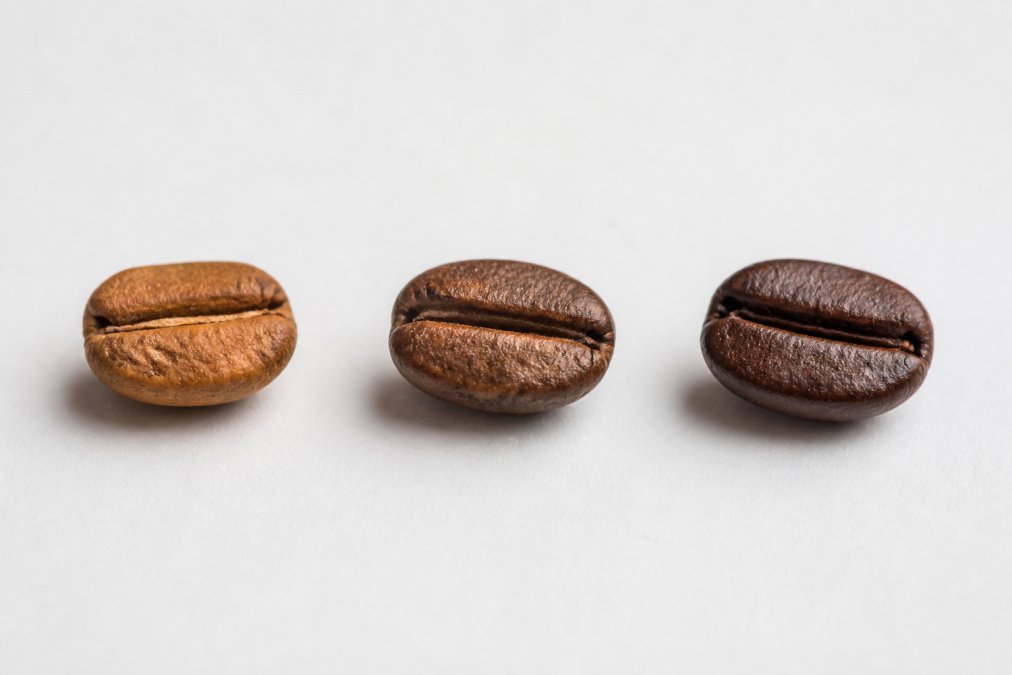
Light roasts preserve the most origin character. The beans are removed from the roaster before the sugars fully caramelize, which means you taste more of what the farm and processing method contributed. Light roasts typically have higher acidity, brighter flavors, and more pronounced origin notes, think citrus, floral, or fruity tasting notes. If you're new to specialty coffee, light roasts can feel sharp or sour if you're accustomed to dark roasts, but that sharpness is actually complexity.
Medium roasts strike a balance. The roaster has developed enough sweetness and body to make the coffee approachable, while still preserving meaningful origin character. Medium roasts work well across brewing methods and tend to be forgiving, they taste good whether you're precise with your brewing or not. This is why many beginners find medium roasts the most immediately satisfying. They offer the depth of small batch coffee without requiring you to adjust your palate first.
Dark roasts emphasize the roaster's influence over the origin. Heavy roasting creates bold, full-bodied coffee with lower acidity and flavors that lean toward chocolate, nuts, and caramel. The origin character becomes secondary to the roasting technique itself. Dark roasts work particularly well for espresso and milk-based drinks because their body and boldness cut through steamed milk rather than getting lost.
Best Light Roast Coffee for Beginners
Light roast coffee for beginners requires a realistic expectation: these coffees taste different from what you probably know. They're brighter, more acidic, and showcase origin flavors rather than roast flavors. That's the point. But if you're transitioning from dark roast, the difference can feel jarring.
Start with a light roast that comes from a region known for balanced, approachable flavor profiles. East African coffees, particularly from Ethiopia and Kenya, typically offer bright acidity paired with fruit and floral notes that feel sophisticated without being intimidating. Central American coffees like those from Costa Rica or Panama tend toward chocolate and citrus, which feels familiar even in a light roast format.
The key is freshness. Light roasts show their age faster than dark roasts because the lighter roast means less of the protective caramelization. A light roast that's three weeks old will taste noticeably flatter than one that's five days old. Check the roast date on the bag, it should be within the last two weeks.
Single-Origin vs. Blends: Which Should You Start With
Single-origin coffee comes from one farm, region, or country. Blends combine beans from multiple origins. Each approach has distinct advantages for beginners.
Single-origin coffees let you taste what a specific place produces. They're educational, you learn how altitude, processing method, and climate shape flavor. A single-origin Ethiopian natural process coffee tastes dramatically different from a washed process Ethiopian coffee, even though both come from the same country. For someone developing their palate, single-origins provide clarity. You're tasting one story instead of a committee-designed flavor.
Blends are engineered. The roaster combines origins specifically to create balance, consistency, or a particular flavor profile. A well-designed blend might pair a bright, acidic Ethiopian with a heavy-bodied Sumatran to create something that's both complex and approachable. Blends also tend to be more forgiving, if one origin varies slightly from harvest to harvest, the blend's other components compensate.
For beginners, start with single-origin coffees. They teach you what to taste. Once you understand how individual origins express themselves, blends become more interesting because you can identify the components. Cafe de Mattier's Single Origin Favorites Sample Pack ($24.99) gives you access to multiple origins in small quantities, letting you explore without committing to a full bag of something you might not love.

Coffee Roast Date Importance and Freshness Windows
The roast date is the most important number on a coffee bag. It tells you how fresh the coffee is, which directly determines how good it tastes.
Coffee reaches peak flavor 3-7 days after roasting (peer-reviewed research). During this window, CO2 is still degassing from the beans, which actually improves extraction and flavor. After about two weeks, the coffee begins to flatten (peer-reviewed research). The aromatics fade, the acidity becomes less vibrant, and the overall complexity diminishes. By four weeks, most specialty coffees taste noticeably stale (peer-reviewed research).
This is why roast date matters more than origin, price, or roast level. A perfectly roasted single-origin coffee that's six weeks old will taste worse than a competent blend that's one week old. The freshness window is non-negotiable.
When you're shopping, look for a roast date printed clearly on the bag. If you see "best by" instead of "roasted on," that's a red flag, the company is hiding how old it is. Avoid any coffee without a roast date. For small batch coffee beans, freshness is the baseline expectation.
Store your coffee in an airtight container away from heat and light. The freezer extends shelf life if you won't use a bag within two weeks, though room temperature in an opaque container is fine for shorter periods.
How to Store Coffee Beans for Freshness
Proper storage extends the freshness window and protects your investment. Coffee's enemies are heat, light, oxygen, and humidity. Your job is to minimize exposure to all four.
An airtight container is essential. Oxygen causes staling, so the seal matters more than the container material. Glass, ceramic, or opaque plastic all work, what matters is that air can't get in. Many coffee bags have one-way valves that let CO2 escape without letting oxygen in, so you can store coffee in the original bag if it has this feature. Check for a small circular valve on the back of the bag.
Location matters as much as the container. Store your coffee in a cool, dark place. Room temperature is ideal, around 65-70°F. Avoid the counter near a window, above the stove, or inside a cabinet near heat sources. A pantry or cupboard away from direct sunlight works well.
The freezer is controversial but effective. Frozen coffee stays fresh longer, but moisture becomes a problem when you remove it. If you freeze, use small portions and bring them to room temperature before opening the bag to prevent condensation. Only freeze if you won't use the coffee within two weeks.
Grind immediately before brewing. Ground coffee stales much faster than whole beans because grinding exposes vastly more surface area to oxygen. If you must grind ahead, use it within 30 minutes. Whole beans last weeks; ground coffee lasts hours.
Developing Your Palate: Tasting Notes and Flavor Profiles
Tasting notes describe the flavors you should be able to identify in coffee. When a bag says "notes of blueberry and chocolate," the roaster is telling you what to taste. This isn't marketing, it's guidance for your palate.
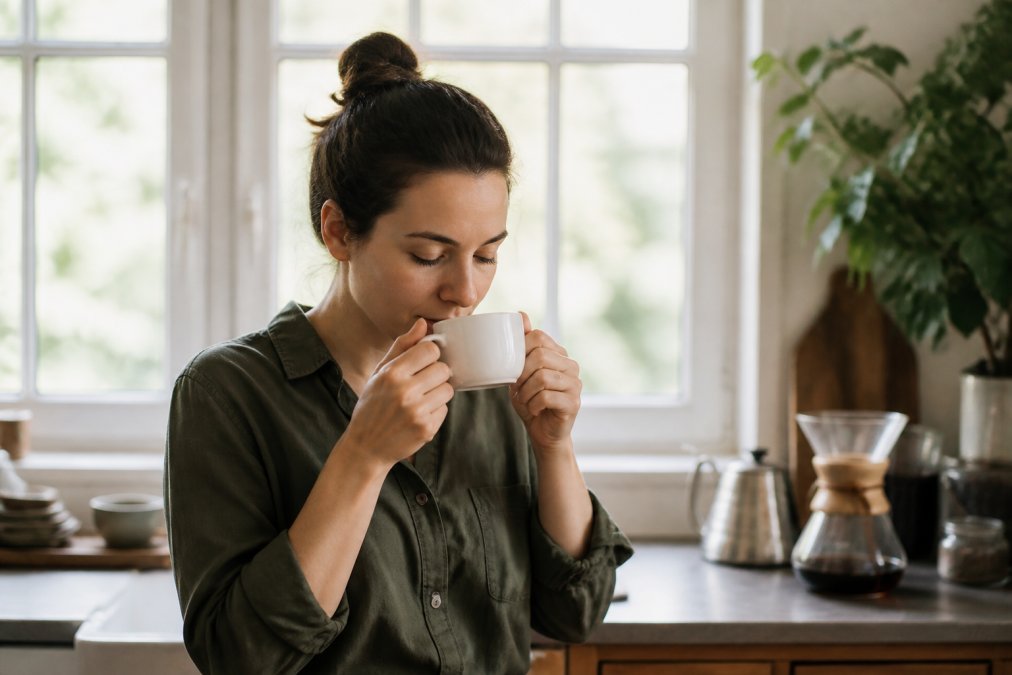
Your palate develops through comparison. Taste a coffee described as "citrus and floral," then taste one labeled "chocolate and nuts." Notice the difference. Repeat this dozens of times and your brain starts recognizing these flavor families in new coffees. You're not imagining the blueberry, you're training yourself to notice what's actually there.
Start by smelling before tasting. Aroma is the easiest flavor to identify. Coffee described as "fruity" will smell fruity. Acidity is the next easiest, it's the brightness or sharpness you feel on your tongue. Body is the weight and texture. Sweetness is the natural sugars that come through when the coffee is well-roasted. Aftertaste is what lingers after you swallow.
Use these five categories to evaluate every coffee you try. Write down what you notice. Over time, you'll develop consistency in what you taste, which means your palate is developing. This is the actual skill in specialty coffee appreciation, not being pretentious about flavors, but being consistent in identifying them.
Cafe de Mattier's small batch coffees are designed with clarity in mind. The slow-roast tradition develops complexity without obscuring origin character, which makes them excellent for palate development. You'll taste distinct flavor notes rather than a generic "coffee" taste.
Getting Started: Choosing Your First Small Batch Beans
Your first small batch coffee should be fresh, approachable, and from a roaster you trust. Start with a sample pack rather than committing to a full bag. Sample packs let you try multiple origins and roast levels without waste.
Cafe de Mattier offers two excellent starting points. The Best Sellers Sample Pack ($24.99) includes the 6Bean house blend, the Cowboy blend, a breakfast blend, and single origins from Peru, Mexico, and Bali. This gives you exposure to both blends and single-origins across different roast levels. The Single Origin Favorites Sample Pack ($24.99) focuses entirely on single-origin coffees, including Brazil Santos with its elegant, smooth profile featuring cocoa notes.

Choose based on your brewing method. If you're using drip coffee or pour-over, medium roasts will be most forgiving. If you're using espresso, darker roasts cut through milk better. If you're not sure yet, start with medium roasts, they work everywhere.
Check the roast date before ordering. Reputable roasters print this clearly. If a company won't tell you when they roasted the coffee, they're hiding something.
Buy whole beans and grind immediately before brewing. Grinder quality matters, a burr grinder (either blade or conical) produces consistent particle size, which improves extraction. Blade grinders create uneven sizes that lead to uneven extraction and muddy flavor.
Start with two brewing methods maximum. Master one first, then add another. This prevents the variable of brewing technique from confusing your palate development.
Starting with small batch coffee beans means choosing intentionality over convenience. You're investing in freshness, origin clarity, and the roaster's expertise. The difference in your cup will be immediate and obvious. Begin with a sample pack from a roaster committed to small-batch production, choose a roast profile that matches your brewing method, and pay attention to the roast date above all else. At Cafe de Mattier, we've built our entire operation around this philosophy, delivering complexity and floral notes through French-inspired slow roasting that honors each micro-lot's unique character. Subscribe to our emails to stay updated on fresh roasts and exclusive offerings designed for those who approach coffee as a mindful daily ritual.
Frequently Asked Questions
What type of coffee beans are best for beginners?
Start with medium roast single-origin beans from regions like Brazil or Colombia. Medium roasts offer balanced acidity and body, making them forgiving for brewing mistakes. Avoid very light roasts initially, they require precise brewing to taste their complexity. Look for beans roasted within the past two weeks and labeled with a clear roast date. Sample packs like Cafe de Mattier's Single Origin Favorites let you explore different origins without committing to full bags.
Why is coffee roast date importance so critical for small batch coffee?
Roast date determines freshness and flavor peak. Beans reach optimal flavor 3-10 days after roasting, when CO2 has partially degassed and flavors are fully developed. After 30 days, acidity fades and the cup becomes flat. Small batch roasters prioritize freshness because their limited production means beans reach you sooner than mass-produced alternatives. Always check the roast date on the bag, it's the single best indicator of quality you can verify before buying.
How do I know if I have a refined palate to taste the difference in specialty coffee?
You don't need training to start. Begin by comparing two coffees side by side, one light, one dark. Notice obvious differences: acidity (brightness on your tongue), body (thickness), and sweetness. Write down what you taste: chocolate, citrus, floral, nutty. Over time, your palate develops naturally through repetition. Cafe de Mattier's sample packs are ideal for this because 2oz portions let you taste multiple origins without waste, building your sensory memory without pressure.
What makes small batch coffee worth the higher price compared to grocery store brands?
Small batch roasters control every step: sourcing from family-owned estates, hand-monitoring roast curves, and roasting in smaller quantities to ensure consistency. This means fresher beans, more complex flavor, and ethical sourcing verification. Grocery store coffee is often months old and mass-roasted to a one-size-fits-all profile. The extra cost reflects transparency, freshness, and the sensory experience, you're tasting the beans at their peak, not their decline.
This article was written using GrandRanker