

What Makes Premium Specialty Coffee Truly Unique
Table of Contents
- The 80-Point Threshold: How Specialty Coffee Earns Its Name
- What Is a Micro-Lot Coffee, and Why Does Scale Matter?
- How to Identify High-Quality Coffee Beans Before You Buy
- Sensory Science: Why Your Brain Tastes More Than Your Tongue
- Is Expensive Coffee Worth the Price? Breaking Down the Cost-to-Value Equation
- Home Brewing and the Uniqueness Factor: What You Control
- Sustainability Beyond Fair Trade: What Ethical Sourcing Really Means
- Conclusion: Choosing Coffee That Earns Its Place in Your Ritual
- Frequently Asked Questions
Last Updated: September 25, 2026
The 80-Point Threshold: How Specialty Coffee Earns Its Name
A premium specialty coffee begins with a single number: 80, the minimum score on the Specialty Coffee Association's 100-point scale. At Cafe de Mattier, we work almost exclusively with coffees that clear this threshold, because the gap between an 80 and an 88 is measurable, not marketing.
Grading happens through cupping, a standardized protocol in which licensed Q graders score ten categories: fragrance, flavor, aftertaste, acidity, body, balance, uniformity, clean cup, sweetness, and overall impression.
What Is a Micro-Lot Coffee, and Why Does Scale Matter?
A micro-lot coffee is a small, traceable batch harvested from a single farm, farm section, or day's picking, separated from the larger harvest because it shows distinct quality. When a producer separates 300 pounds of exceptional cherries from a 30,000-pound harvest, that separation lets the lot be graded, traced, and roasted on its own terms.
How to Identify High-Quality Coffee Beans Before You Buy
The most reliable signal of quality is a roast date, not a "best by" date. Coffee peaks between roughly four days and four weeks after roasting, then declines. If a bag doesn't state its roast date, that silence is information.
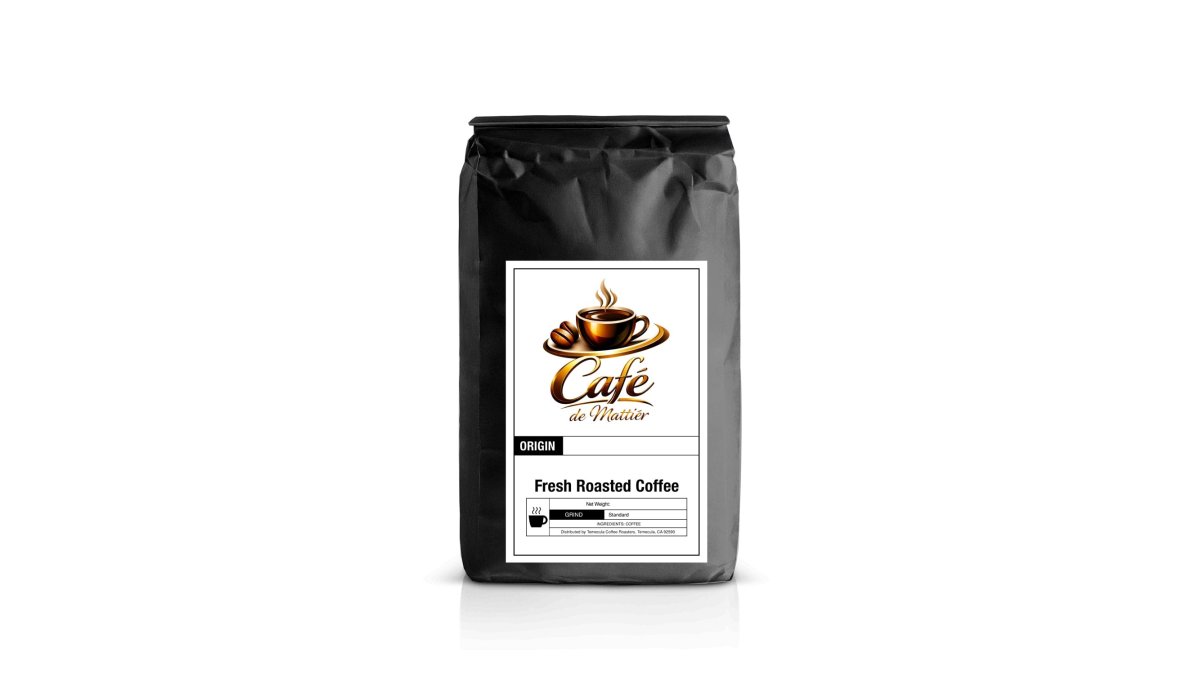
Beyond the date, look for four things:

- Whole beans over pre-ground. Grinding exposes surface area and accelerates staling.
- Named origin and process. "Ethiopia, Sidama Zone, natural process" tells you something. "Arabica blend" does not.
- A stated varietal or altitude. Heirloom cultivars grown at 1,700 to 1,900 meters behave differently than commodity arabica.
- Aroma on opening. Fresh beans release noticeable fragrance. Flat or papery smells suggest age or poor storage.
Sensory Science: Why Your Brain Tastes More Than Your Tongue
Flavor is mostly smell. Your tongue detects five basic tastes, but retronasal olfaction, the pathway carrying aroma from mouth to nasal cavity, drives most of what you perceive as "taste." That is why a coffee with notes of milk chocolate and caramel can deliver those impressions without containing either ingredient.
Is Expensive Coffee Worth the Price? Breaking Down the Cost-to-Value Equation
Whether expensive coffee is worth the price depends on what you compare it to. A premium specialty coffee costs more because of added labor, smaller batches, and higher-grade green coffee. The question is whether those inputs show up in the cup.
| Tier | What You're Paying For | Typical Experience |
|---|---|---|
| Commodity | Volume, consistency, shelf stability | Uniform, mild, often bitter |
| Premium | Better grading, fresher roast | Cleaner cup, some origin character |
| Specialty (80+) | Traceable lots, careful processing | Distinct flavor profile, balance |
| Micro-lot | Single-farm separation, small batches | Complexity, variability, depth |
Where the Money Actually Goes
The price gap between a commodity bag and a micro-lot is not one markup but a stack of them, each tied to a specific decision in the chain.
- Green coffee premium. Specialty importers pay a differential above the commodity market price for lots that cup above 80 points. The higher the cupping score and the smaller the lot, the larger that differential. A washed micro-lot from a named farm can carry a green price several times the commodity baseline before it ever reaches a roaster.
- Selective picking labor. Commodity harvests are often strip-picked, ripe and unripe cherries together, sorted later by machine. Specialty lots are hand-picked at peak ripeness, sometimes in multiple passes over the same trees. That is more hours per pound, and those hours are paid at origin.
- Processing and drying. Washed, natural, honey, and experimental fermentations each require different infrastructure, water, and monitoring. A natural process lot, for example, needs weeks of controlled drying with regular turning to avoid mold, labor that a washed lot does not require.
- Roast loss and small-batch overhead. Coffee loses roughly 12 to 20 percent of its weight during roasting, depending on roast level. A roaster buying 100 pounds of green coffee may end up with 80 to 88 pounds of roasted beans. Small batches also mean less efficient use of a roaster's time and energy per pound than a continuous commercial operation.
- Freshness cost. Selling coffee with a roast date instead of a "best by" date means unsold inventory becomes waste faster. That cost is baked into the price of every bag that does sell.
A Practical Way to Test the Value Yourself
To test whether a premium price is justified, run a side-by-side: buy a commodity bag and a traceable micro-lot, brew both with the same method, water, ratio, and grind, and taste at the same temperature. Most drinkers find the difference is not subtle, the micro-lot shows more distinct acidity, a longer finish, and aromatics that survive from cup to nose.
Home Brewing and the Uniqueness Factor: What You Control
A roaster can only hand you potential; what happens in your kitchen determines whether you taste it. Grind size, water temperature, ratio, and brew time each shift the final cup, and small errors compound.
Start with these variables:
- Grind fresh, immediately before brewing. Pre-ground coffee loses aromatic compounds within hours.
- Hold water between 195°F and 205°F. Cooler water under-extracts; hotter water scorches.
- Weigh your coffee. A 1:16 ratio of coffee to water is a reasonable starting point.
- Match grind to method. Coarse for French press, medium for drip, fine for espresso.
Sustainability Beyond Fair Trade: What Ethical Sourcing Really Means
Fair trade certification guarantees a minimum price and a social premium, and it has done real good, but it is a floor, not a ceiling. Many specialty roasters now work through direct trade relationships, paying above certification minimums for quality and consistency.
The New Frontier: Regenerative Agriculture and Carbon-Aware Processing
The conversation about what makes coffee "premium" is shifting. Price and certification still matter, but a growing share of the specialty market treats soil health, water use, and carbon footprint as part of the quality story, not a separate ethical add-on.
- Shade-grown systems with mixed tree canopy, which support bird habitat, moderate temperature swings, and slow cherry maturation, a factor many roasters associate with more complex flavor development.
- Compost and cover crops instead of synthetic inputs, which build microbial life in the soil and can improve water retention on steep hillside farms.
- Agroforestry that keeps roots in the ground year-round, reducing erosion on the slopes where much of the world's specialty coffee is grown.
Why This Matters to the Cup, Not Just the Conscience
Regenerative and carbon-aware practices are not purely ethical gestures; they affect the raw material. Healthier soil produces healthier trees, which produce cherries that ferment more predictably and cup more cleanly. Water recycling reduces contamination risk that can introduce off-flavors, and shade with slower maturation is widely associated with denser beans and more layered acidity.
How to Read a Sustainability Claim
When you buy a traceable micro-lot from a producer who is investing in soil and water, you are often supporting those practices whether or not a logo appears on the bag. That is the quiet part of premium coffee that most price tags never explain.
Conclusion: Choosing Coffee That Earns Its Place in Your Ritual
The coffees that earn a permanent spot in your morning are traceable at every step: the farm, the lot, the roast date, and the brew. Most of the market competes on price and convenience; a smaller group competes on whether the cup is worth slowing down for.
Frequently Asked Questions
How is specialty coffee different from commercial coffee?
Specialty coffee must score 80 or above on the Specialty Coffee Association's 100-point scale, graded by licensed Q graders using a standardized cupping protocol. Commercial coffee typically scores below 80 and often contains defects like mold, insect damage, or uneven ripeness. The practical difference shows up in the cup: specialty beans offer cleaner acidity, more defined flavor notes, better balance, and a longer, sweeter aftertaste. Commercial coffee tends to taste flat, bitter, or ashy because lower-grade green coffee gets roasted darker to mask flaws.
Is expensive coffee actually worth the price?
It depends on what you're paying for. A $23.99 single-origin like an Ethiopia Natural reflects hand-sorted micro-lot harvesting, raised-bed drying, and roast-to-order freshness, none of which commodity coffee can match at scale. You're also paying for traceability, fair compensation to smallholder farmers, and smaller batch sizes that protect flavor. If you drink coffee daily and notice acidity, body, and aroma, the difference is real. If you load your cup with flavored creamer, the premium is harder to justify. Match the price to how attentively you actually taste.
What is a micro-lot coffee and why does it matter?
A micro-lot is a small, separately harvested and processed batch of coffee, often from a single farm, a single varietal, or a specific section of a larger estate. Because the volume is small, producers can experiment with fermentation styles, drying methods, and sorting techniques that would be impossible across a full harvest. The result is a more distinctive flavor profile with clearer origin character. Micro-lots also let buyers trace a bag back to the exact grower, which supports direct trade relationships and gives farmers a premium for quality rather than volume.
How can I tell if coffee beans are high quality before brewing?
Check the roast date first, since flavor fades within weeks of roasting. Look for whole beans with a uniform color and size, no oily sheen on lighter roasts, and no visible defects like chips or black spots. The bag should name the origin, region, varietal, altitude, and processing method. Aromatically, fresh beans smell sweet and complex rather than stale or papery. If you can, ask for a cupping note or SCA score. Beans sold without any of this information are usually commodity coffee in a nicer bag.