

How to how to choose coffee beans for flavor: Step-by-Step
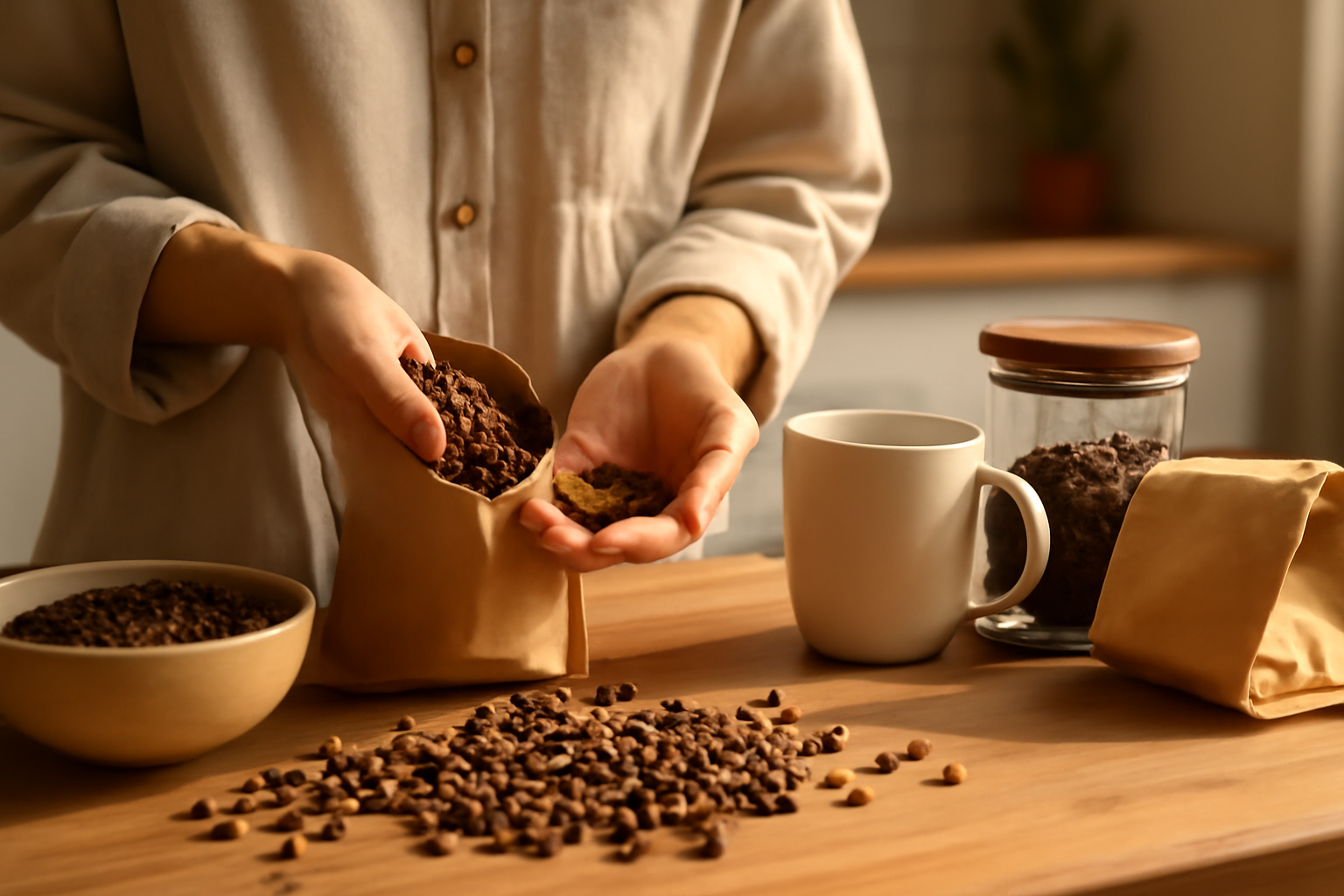
Choosing the right coffee beans can make all the difference in your daily brew, especially if you're striving for that perfect cup of coffee that suits your unique taste buds. With so many options available, it can be overwhelming to know where to start. This guide will help you navigate the world of coffee beans and discover how to select the best flavors to enhance your coffee experience. brewing coffee at home.
Whether you are a busy mom, an entrepreneur, or a college student, understanding the nuances of coffee flavors can elevate your coffee routine. With a focus on quality and freshness, you'll find that selecting the right beans not only improves the taste but also contributes to a more enjoyable coffee ritual. art of coffee brewing.
Table of Contents
Step 1: Understand Coffee Bean Types
The first step in choosing coffee beans for flavor is to familiarize yourself with the different types of coffee beans available. The two most common varieties are Arabica and Robusta. Discover the Joy of Fresh Coffee Delivered to Your Doorstep.
Arabica Beans
Arabica beans are known for their smooth, mild flavor and aromatic qualities. They typically contain less caffeine than Robusta and have a higher concentration of sugars, which contributes to their sweetness. These beans are often preferred by coffee enthusiasts for their rich and complex flavors.
Robusta Beans
Robusta beans have a stronger, more bitter taste and higher caffeine content. They are often used in espresso blends due to their ability to produce a rich crema. While they may not be as flavorful as Arabica, they can add depth and body to your coffee.
Step 2: Consider Roast Levels
The roast level of coffee beans significantly impacts their flavor profile. Understanding the different roast levels can help you choose beans that match your taste preferences.
Light Roast
Light roasts preserve the original flavors of the beans, often highlighting fruity and floral notes. If you enjoy a bright, acidic cup of coffee, light roasts are an excellent choice.
Medium Roast
Medium roasts strike a balance between the original bean flavors and the roasting process. They tend to be sweeter and less acidic than light roasts, making them a popular choice among coffee drinkers.
Dark Roast
Dark roasts have a bold, robust flavor with a pronounced bitterness. The roasting process often masks some of the bean's original characteristics, resulting in a smoky or chocolatey taste. If you prefer a strong cup of coffee, dark roasts may be your go-to.
Step 3: Explore Flavor Profiles
Once you understand the types of beans and roast levels, it's time to explore the flavor profiles. Coffee can exhibit a wide range of flavors, from fruity to nutty, and everything in between. Here are some common flavor notes to consider:
Fruity
Fruity flavors are often found in light roasts and can include notes like berries, citrus, or stone fruits. These beans are typically sourced from regions with high altitudes, where the cooler climate allows for slower maturation and enhanced sweetness.
Nuts and Chocolate
Beans with nutty or chocolatey flavors often come from medium to dark roasts. These flavors can add a comforting richness to your coffee, making it a favorite for many coffee lovers.
Spicy and Herbal
Some coffees may have herbal or spicy notes, which can add complexity to your brew. These flavors are often more prominent in certain regions, such as Ethiopian or Sumatran coffees.
Step 4: Pay Attention to Freshness
Freshness is crucial when it comes to coffee beans. Stale coffee can lead to a dull and lifeless cup. To enjoy the full spectrum of flavors that quality coffee can offer, it's essential to select beans that are as fresh as possible. Here are some detailed tips and practices to ensure you're choosing fresh beans:
- Look for a roast date on the packaging. Ideally, choose beans roasted within the last two weeks. Beans start to lose their flavor and aroma after this period, so check the date before purchasing.
- Consider purchasing from a coffee subscription service that offers freshly delivered coffee to your door. This can ensure you receive beans roasted within a few days of your order, maintaining optimal freshness. Look for services that allow you to customize your delivery frequency based on your consumption habits.
- Store your beans in an airtight container away from light and moisture to maintain their freshness. A dark, cool place is ideal. Avoid storing beans in the fridge or freezer, as moisture can affect their quality. Instead, use a dedicated coffee canister with a one-way valve that allows gases to escape while keeping air out.
Understanding the Impact of Freshness on Flavor
Freshness not only affects the aroma but also the flavor profile of your coffee. Here's how:
- Flavor Complexity: Freshly roasted beans will exhibit a fuller range of flavors. Notes of fruit, chocolate, or nuts can be more pronounced when the beans are fresh.
- Aroma: The aroma of coffee is a significant part of the tasting experience. Stale beans lose their aromatic compounds, leading to a less enjoyable cup.
- Acidity and Body: Fresh beans typically have a brighter acidity and a fuller body, which can enhance the overall drinking experience. Stale beans may taste flat or dull.
Common Mistakes to Avoid
When it comes to coffee bean freshness, here are some common pitfalls to avoid:
- Ignoring Roast Dates: Always check the roast date. Buying coffee without a roast date can lead to disappointment in flavor.
- Buying in Bulk: While bulk purchases can be tempting, they often lead to having beans that sit for too long. Instead, buy smaller amounts that you can consume within a few weeks.
- Improper Storage: Avoid storing coffee beans in clear containers or near heat sources like stoves. Light and heat can degrade the quality of the beans quickly.
Tips for Identifying Fresh Coffee Beans
Here are some practical tips to help you identify fresh coffee beans:
- Smell the Beans: Fresh coffee beans have a strong, pleasant aroma. If the beans smell flat or have little to no scent, they may be stale.
- Check for Oily Surface: Depending on the roast level, fresh beans may have a slight oily sheen, especially darker roasts. However, excessive oil can indicate over-roasting.
- Visual Inspection: Look for beans that are uniform in color and size. Uneven beans may indicate poor quality or aging.
By paying attention to the freshness of your coffee beans, you can ensure that every cup you brew is packed with flavor and aroma, making your coffee experience truly enjoyable. Remember, freshness is a key ingredient in the journey to discovering your perfect cup of coffee.
Step 5: Experiment and Personalize
Choosing coffee beans for flavor is a personal journey. Don't be afraid to experiment with different types, roasts, and flavor profiles. Consider purchasing a coffee lovers collection that includes a variety of beans to sample. This way, you can discover your favorites and refine your palate over time.
Start with a Tasting Flight
One effective way to explore different coffee flavors is by organizing a tasting flight. This involves brewing small amounts of various coffee beans side by side. Here's how to do it:
- Select a Variety: Choose 3-5 different types of coffee beans, focusing on different origins, roast levels, or flavor notes. For instance, you might select a light roast Ethiopian coffee, a medium roast Colombian, and a dark roast Sumatran.
- Prepare Your Equipment: Use the same brewing method for each coffee to ensure consistency. A pour-over or French press works well for this purpose.
- Measure and Brew: Measure out the same amount of coffee for each brew (e.g., 20 grams) and use the same water temperature (around 200°F) to maintain uniformity.
- Taste and Take Notes: As you taste each coffee, note the flavor profiles, aroma, acidity, and body. This will help you identify what you enjoy the most.
Keep a Coffee Journal
Documenting your coffee experiences can significantly enhance your journey. Consider maintaining a coffee journal where you can:
- Record Details: Write down the type of beans, roast level, brewing method, and any specific notes on flavor and aroma.
- Rate Each Coffee: Create a simple rating system (e.g., 1-5 stars) to help you remember your favorites.
- Reflect on Preferences: Over time, look back at your notes to identify patterns in your preferences, such as a preference for fruity notes or chocolate undertones.
Experiment with Brewing Methods
The brewing method you choose can dramatically affect the flavor of your coffee. Here are a few methods to consider:
- Pour-Over: This method allows for precise control over water flow and temperature, enhancing the coffee's flavor clarity.
- French Press: This method produces a full-bodied coffee with rich flavors, ideal for showcasing darker roasts.
- Aeropress: Great for experimenting with different brewing times and pressures, allowing you to extract unique flavor profiles.
Try brewing the same coffee beans using different methods to see how the flavors change. This can help you find the brewing style that best suits your taste.
Join Coffee Tasting Events or Groups
Engaging with other coffee enthusiasts can provide valuable insights and recommendations. Look for local coffee tasting events or online groups where you can:
- Share Experiences: Discuss your favorite beans and brewing methods with others who share your passion.
- Learn from Experts: Attend workshops led by coffee professionals who can guide you through the nuances of flavor profiles and brewing techniques.
- Expand Your Palate: Sampling coffees from various sources can introduce you to new flavors and styles that you might not have tried otherwise.
Common Mistakes to Avoid
As you embark on your coffee exploration, be mindful of these common pitfalls:
- Sticking to One Type: Limiting yourself to one type of coffee can hinder your flavor discovery. Be open to trying new beans and blends.
- Ignoring Freshness: Coffee beans lose flavor over time. Always opt for freshly roasted beans and store them properly to maintain their quality.
- Overcomplicating Brewing: While experimenting is essential, don't overcomplicate the brewing process. Start simple and gradually introduce variables.
By taking the time to experiment and personalize your coffee choices, you'll not only enhance your enjoyment but also develop a deeper appreciation for the complexities of coffee flavors. Happy tasting!
Common Mistakes to Avoid
While selecting coffee beans, it's easy to make a few common mistakes. Here are some pitfalls to watch out for:
- Assuming all coffee is the same: Each bean variety and roast has unique characteristics that can significantly affect the flavor.
- Neglecting the grind size: The grind size can impact extraction and flavor. Make sure to match your grind size to your brewing method.
- Choosing convenience over quality: While the convenience of coffee delivery is appealing, ensure that you're still selecting high-quality beans.
Checklists for Choosing Coffee Beans
To help you make informed decisions, here's a simple checklist for choosing coffee beans:
- Identify your preferred coffee type (Arabica or Robusta).
- Determine your preferred roast level (light, medium, or dark).
- Explore flavor profiles that appeal to you.
- Check for roast dates and prioritize freshness.
- Consider trying a variety pack to discover new favorites.
Step 1: Identify Your Preferred Coffee Type
Understanding the differences between Arabica and Robusta beans is crucial. Arabica beans are known for their sweet, soft taste and higher acidity, making them ideal for those who enjoy nuanced flavors. In contrast, Robusta beans have a stronger, more bitter flavor and contain more caffeine, appealing to those who prefer a bold cup. Consider what you typically enjoy in coffee and choose accordingly.
Step 2: Determine Your Preferred Roast Level
Roast levels significantly influence the flavor of your coffee. Here's a breakdown:
- Light Roast: Retains the original flavors of the bean, often fruity or floral.
- Medium Roast: Balances acidity with a fuller body and a more rounded flavor.
- Dark Roast: Offers a rich, bold flavor with chocolatey or smoky notes.
Consider your taste preferences and experiment with different roast levels to find your favorite.
Step 3: Explore Flavor Profiles
Flavor profiles can vary greatly depending on the origin of the beans. Here are some common profiles:
- Citrus: Often found in beans from Central America.
- Chocolate: Common in beans from South America and Africa.
- Nuts: Frequently present in blends and some African coffees.
- Spices: Often found in Indonesian coffees.
Take note of what flavors you enjoy in your coffee and seek out beans that showcase those characteristics. Tasting notes provided by roasters can guide your choices.
Step 4: Check for Roast Dates
Freshness is key to a great cup of coffee. Always check the roast date on the bag. Ideally, coffee should be consumed within two weeks of roasting for optimal flavor. If you find beans that are older, they may lack the vibrancy and complexity you're looking for.
Step 5: Consider Trying a Variety Pack
If you're unsure about your preferences, a variety pack can be an excellent way to explore different types and flavors without committing to a single bag. Many roasters offer curated selections that allow you to taste a range of profiles and roast levels. Take notes on what you like or dislike to refine your choices in the future.
Common Mistakes to Avoid
- Choosing beans solely based on price: Quality coffee often comes at a premium, but it's worth the investment for better flavor.
- Ignoring the grind size: Different brewing methods require different grind sizes; ensure you match your beans to your brewing equipment.
- Sticking to the same brand: Don't be afraid to experiment with different roasters and origins to find what you truly enjoy.
By following these detailed checklists and tips, you can confidently choose coffee beans that will elevate your coffee experience at home. Enjoy the journey of discovering your perfect cup!
Conclusion
Choosing the right coffee beans for flavor is an enjoyable and rewarding process. With a clear understanding of bean types, roast levels, and flavor profiles, you can create a personalized coffee experience that enhances your daily routine. Take the time to explore and experiment with different options, and soon you'll be savoring that perfect cup of coffee at home. A great next step is to explore a premium coffee selection that aligns with your newfound knowledge, ensuring each brew is better than the last. Say goodbye to basic coffee and elevate your coffee game today!