

Best Micro Lot Coffee Subscription Services
Table of Contents
- What Makes a Micro Lot Coffee Subscription Worth Your Investment
- How We Evaluated Micro Lot Coffee Subscription Services
- Single Origin Coffee Subscription Options and Their Flavor Profiles
- Best Light Roast Coffee for Nuanced Tasting Notes
- How to Brew Micro Lot Coffee to Maximize Complexity
- Direct Trade and Ethical Sourcing Transparency
- Subscription Flexibility, Delivery Cadence, and Cost Per Ounce
- Conclusion
Last Updated: August 23, 2026
What Makes a Micro Lot Coffee Subscription Worth Your Investment
A micro lot coffee subscription delivers single-origin beans from small, carefully curated harvests that showcase terroir in ways mass-produced coffee cannot. At Cafe de Mattier, we've spent years sourcing directly from family-owned estates and smallholder farmers to understand what separates a truly exceptional coffee from the ordinary. The difference isn't subtle: micro-lot beans offer complexity, floral notes, and a silk-like body that transform your morning ritual into a moment of genuine reflection.
What makes this investment worthwhile? Micro-lot coffees are produced in limited quantities, often just a few hundred pounds per harvest, which means the roaster can focus on precision at every stage. The altitude where beans grow, the processing method used, and the roast profile all compound to create flavor profiles that shift with seasons and harvests. When you subscribe to a micro lot coffee subscription service, you're not buying consistency in the industrial sense; you're buying intentionality.
The cost per ounce typically runs higher than commodity coffee, but the sensory experience justifies it for those who understand coffee as a craft. These subscriptions often include tasting notes, brewing guidance, and roast dates, information that helps you maximize what the roaster intended. Below, we'll walk you through how to evaluate micro lot coffee subscription services, what to look for in single-origin selections, and how brewing technique can unlock the full complexity these beans offer.
How We Evaluated Micro Lot Coffee Subscription Services
We assessed micro lot coffee subscription options across several dimensions that matter to serious coffee drinkers. First, we examined sourcing transparency: Can you trace beans back to specific estates or cooperatives? Do the roasters publish information about altitude, processing method, and soil composition? This matters because terroir, the environmental factors that shape flavor, is central to micro-lot coffee's appeal.
Second, we evaluated roast profiles and their consistency. Light roasts preserve origin characteristics and acidity; medium roasts balance acidity with body; dark roasts emphasize body and mouthfeel. We looked at whether each service offered variety across the roast spectrum and whether their roast dates were recent enough to guarantee freshness.
Third, we analyzed subscription flexibility and delivery cadence. Can you adjust frequency? Skip shipments? Pause without penalty? Many specialty coffee subscriptions lock you into rigid schedules, which creates waste if your consumption patterns shift. The best services let you control when and how often beans arrive.
Fourth, we examined cost per ounce and value tiers. Micro-lot beans run higher than standard specialty coffee, but the premium should reflect actual scarcity and quality, not just branding. We calculated real costs across different subscription levels to show what you're actually paying.
Finally, we assessed direct-trade and ethical sourcing transparency. Do the roasters publish pricing structures showing what farmers actually receive? Are there third-party certifications, or is it just marketing language? This is where many services fall short, claiming ethical sourcing without proof.
| Evaluation Criteria | Why It Matters | What to Look For |
|---|---|---|
| Sourcing transparency | Proves beans are actually micro-lot and traceable | Specific estate names, altitude, processing details |
| Roast profiles offered | Determines flavor complexity and origin expression | Light, medium, and dark options; recent roast dates |
| Subscription flexibility | Prevents waste and forced overspending | Adjustable frequency, skip options, no cancellation fees |
| Cost per ounce | Shows whether premium reflects quality or markup | Transparent pricing breakdown across tiers |
| Ethical sourcing proof | Ensures farmers benefit from your purchase | Direct-trade verification, farmer payments disclosed |
Single Origin Coffee Subscription Options and Their Flavor Profiles
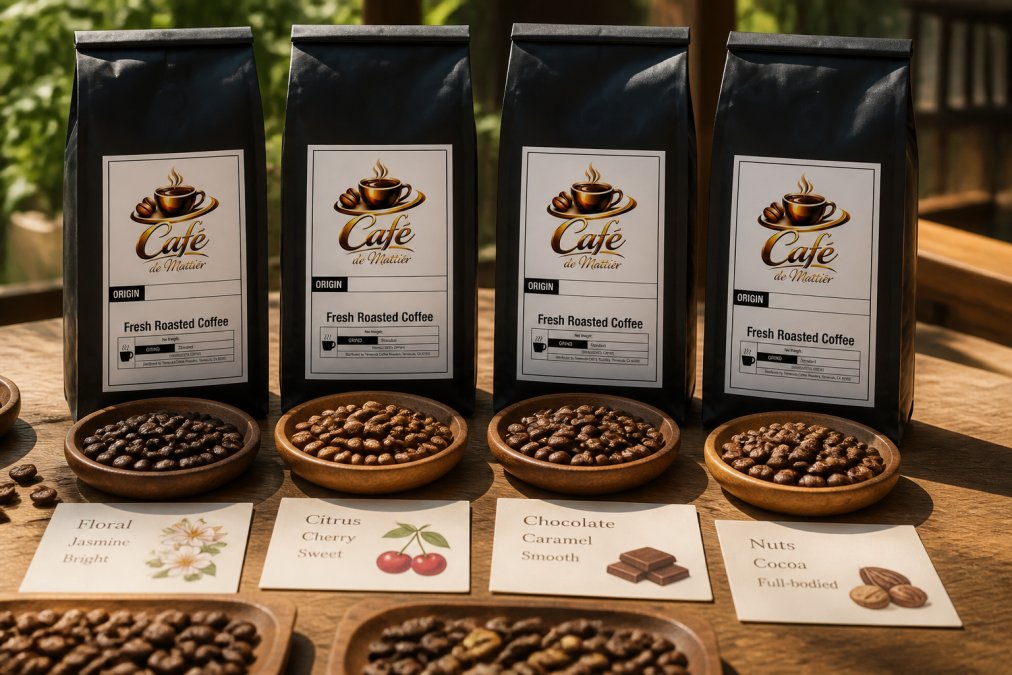
Single-origin beans, coffee from one specific region or estate, form the foundation of any serious micro lot coffee subscription. Unlike blends that mask inconsistency through balance, single origins put the terroir on display. The altitude where beans grow, the processing method, and the specific microclimates all shape what ends up in your cup.
High-Altitude Single-Origin Selections
High-altitude coffees, grown above 1,200 meters, develop complex acidity and floral notes that lower-elevation beans cannot achieve (peer-reviewed research). The cooler temperatures slow bean maturation, allowing sugars and acids to develop in more nuanced ways. When you're evaluating a micro lot coffee subscription, altitude should be one of your first screening criteria.
Cafe de Mattier sources from some of the world's highest-growing regions. Our Ethiopia Natural comes from the Sidama zone at 1,700-1,900 meters, where indigenous heirloom cultivars thrive in nitisol soils. The full-natural processing, where the bean dries inside the fruit, amplifies fruity and caramel notes while maintaining a medium body. At $23.99 per bag, this represents genuine value for a micro-lot Ethiopian natural.

Similarly, our Colombia from Medellin grows at 1,300-1,500 meters on volcanic loam, producing dried orange, berry, and chocolate notes. The fully washed process removes the fruit before drying, which emphasizes origin clarity and acidity. These altitude-driven flavor profiles are what justify the micro lot coffee subscription model, you're not paying for consistency; you're paying for the specific expression of place and season.

Processing Methods That Define Terroir
How coffee is processed after harvest shapes flavor as dramatically as where it grows. The three primary methods, washed, natural, and honey process, each highlight different aspects of the bean and the origin.
Washed coffees have the fruit removed before drying, which emphasizes acidity and origin clarity. Our Guatemala uses full washing on volcanic loam at 1,200-1,616 meters, producing dark chocolate, bright fruit, and butterscotch notes. This method is standard in Central America and produces the cleanest flavor profiles.
Natural-processed coffees dry with the fruit intact, which amplifies sweetness and body while introducing fruity complexity. The Ethiopia Natural demonstrates this perfectly, hand-sorted and dried on raised beds, it develops milk chocolate, fruity, and caramel notes that washed Ethiopians cannot match.
Honey process (also called pulped natural) sits between the two: the fruit is removed, but some mucilage remains during drying. Our Costa Rica uses eco-pulping and sun drying, creating sweet apple, raisin, and honey notes at 1,300-1,445 meters. Each processing method tells you what to expect when you open a bag from your micro lot coffee subscription.

Best Light Roast Coffee for Nuanced Tasting Notes
Light roasts preserve the most origin character, acidity, floral notes, and delicate complexity that darker roasts obscure. If you're investing in a micro lot coffee subscription, light roasts are where you'll taste the terroir most clearly.
The Ethiopia Natural roasted to medium-light shows exactly why light roasts matter for micro-lot coffee. The natural processing already emphasizes fruit and sweetness; the lighter roast preserves the acidity that gives those notes brightness and dimension. You taste milk chocolate, fruity complexity, and caramel, three distinct flavor layers instead of a blended impression.
Light roasts require precision brewing, though. The beans are denser and require slightly hotter water and longer contact time to extract properly. Many people brew light roasts too quickly, which leaves them sour and underdeveloped. This is why the best micro lot coffee subscription services include brewing guidance specific to roast level.
How to Brew Micro Lot Coffee to Maximize Complexity
Brewing technique makes the difference between tasting a coffee's full potential and missing half its character. Micro-lot beans deserve precision.
Grind Size and Water Temperature Adjustments
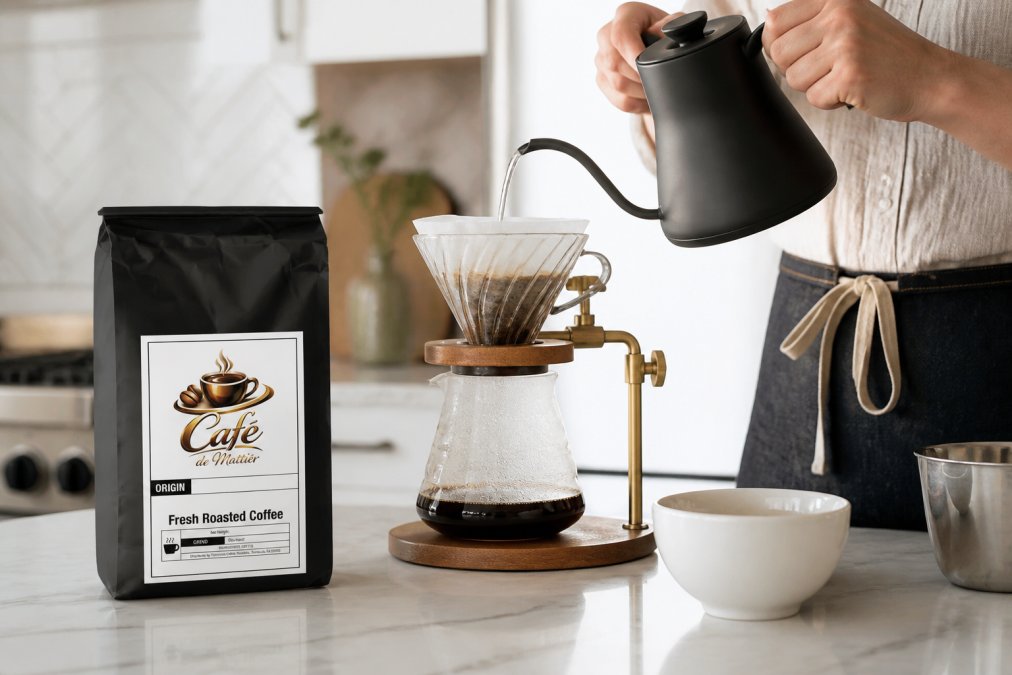
Grind size controls how quickly water extracts flavor compounds from the bean. For pour-over brewing, aim for a medium-fine grind, slightly finer than drip coffee but coarser than espresso. The goal is 3-4 minutes of contact time, which allows full extraction without over-extracting into bitterness.
Water temperature matters equally. Light roasts benefit from 195-205°F water, which extracts acidity and floral notes (sca.coffee). Medium roasts work best at 200-205°F. Dark roasts can handle 200-210°F without becoming harsh. Using water that's too hot accelerates extraction and can create bitterness; too-cool water leaves the coffee sour and thin.
A simple adjustment: if your micro lot coffee tastes sour, increase water temperature by 5°F or grind slightly finer. If it tastes flat or bitter, lower temperature by 5°F or grind coarser. Most home brewers discover their ideal settings within 2-3 adjustments.
Cupping Techniques to Identify Acidity and Body
Cupping is the professional tasting method used by roasters and coffee buyers to evaluate beans. You don't need formal training to use it at home, it's simply a way to taste coffee systematically.
Brew your micro lot coffee at a 1:16 ratio (1 gram coffee to 16 grams water), which is slightly stronger than typical brewing (sca.coffee). Let it cool to around 160°F, then slurp it loudly, yes, actually slurp. The sound aerates the coffee and spreads it across your palate. This helps you identify distinct flavor notes instead of tasting a blended impression.
Pay attention to three things: acidity (brightness and liveliness on your tongue), body (thickness and mouthfeel), and finish (how flavors linger after swallowing). Light roasts typically show high acidity and light body; medium roasts balance the two; dark roasts emphasize body and mouthfeel. When you understand these dimensions, you can articulate what makes your micro lot coffee subscription worthwhile, and you'll taste the difference between genuine quality and marketing.
Direct Trade and Ethical Sourcing Transparency
Direct trade means the roaster buys directly from farmers or producer cooperatives, cutting out middlemen and ensuring farmers receive fair compensation. It's different from Fair Trade certification, which is a third-party standard but doesn't guarantee higher prices.
Cafe de Mattier sources from family-owned estates and smallholder farmer cooperatives across multiple origins. Our Honduras comes from Cafe Organics Marcala, a cooperative of 1,500 grower members in La Paz. This structure ensures that your micro lot coffee subscription directly supports farming families rather than commodity brokers.
The real question: Can the roaster prove it? Legitimate direct-trade operations publish pricing information showing what farmers actually receive per pound. They name specific estates or cooperatives. They discuss the relationships they've built over years. If a roaster claims ethical sourcing but won't share these details, that's a signal to look elsewhere.
Subscription Flexibility, Delivery Cadence, and Cost Per Ounce
The best micro lot coffee subscription services let you control frequency and skip shipments without penalty. Many specialty coffee subscriptions trap you in rigid schedules, you pay whether you've finished the previous bag or not.
Cafe de Mattier's single-origin offerings at $23.99 per bag provide a baseline for cost comparison. Most bags contain 12 ounces of whole bean coffee, which works out to roughly $2 per ounce. This is premium pricing compared to grocery-store coffee, but it reflects actual micro-lot scarcity and direct-trade sourcing.
When evaluating subscription options, calculate your real cost per ounce across different frequency tiers. A subscription that ships monthly might cost $24 per bag; one that ships every two weeks might cost $22 per bag. But if you only drink coffee twice a week, the monthly option prevents waste. Flexibility matters more than per-unit discounts if those discounts force overconsumption.
Also ask: What's the minimum commitment? Can you cancel anytime, or are you locked into 3 months? Do they charge restocking fees? Can you pause for a month if you're traveling? These details separate services that respect your autonomy from those that treat you as a locked-in customer.
A micro lot coffee subscription transforms coffee from a convenience into a ritual. When you understand terroir, processing method, and brewing technique, each bag becomes an exploration rather than a repetition. Cafe de Mattier's approach, sourcing from family-owned estates, slow-roasting to preserve complexity, and offering single-origin selections at $23.99 per bag, reflects this philosophy. Subscribe to our emails to receive updates on new micro-lot releases, brewing tips, and direct access to limited harvests that define the specialty coffee experience.
Frequently Asked Questions
What defines a micro lot coffee bean?
A micro lot coffee comes from a single small harvest, typically from one farm or a specific section of a larger estate. Micro lots are hand-selected and processed separately, which preserves unique terroir characteristics. Because of limited quantity and careful handling, each micro lot develops distinct tasting notes reflecting altitude, soil type, and processing method. This contrasts with commodity coffee, which blends beans from many sources.
Is a micro lot coffee subscription worth the extra cost?
Micro lot subscriptions cost more because you're paying for traceability, limited availability, and superior flavor complexity. Each batch reflects specific growing conditions and processing techniques that create distinctive acidity, body, and mouthfeel profiles. If you value cupping different terroirs, understand flavor notes like floral complexity and fruit undertones, and appreciate the direct relationship between grower and roaster, the investment delivers genuine sensory value beyond standard coffee.
How often should I receive fresh micro lot coffee?
Subscription frequency depends on your consumption rate and how quickly beans lose their peak flavor. Most specialty coffee reaches optimal tasting notes within 2-4 weeks of roast date. A bi-weekly or monthly delivery cadence works well for regular drinkers, allowing you to experience beans while they're fresh. Flexible subscriptions let you adjust delivery based on inventory, preventing staleness and subscription fatigue while maintaining access to new roast profiles.
How do I know if micro lot beans are actually ethically sourced?
Look for direct trade partnerships where roasters work directly with specific growers, ensuring transparency about pricing and practices. Certifications like Fair Trade or Rainforest Alliance provide third-party verification, though direct trade often offers better traceability. Reputable micro lot roasters publish grower names, farm altitudes, variety information, and processing details. This level of specificity signals genuine direct relationships rather than generic sourcing claims.
This article was written using GrandRanker