

How to Fix Bland Coffee: Common Causes and Quick Solutions
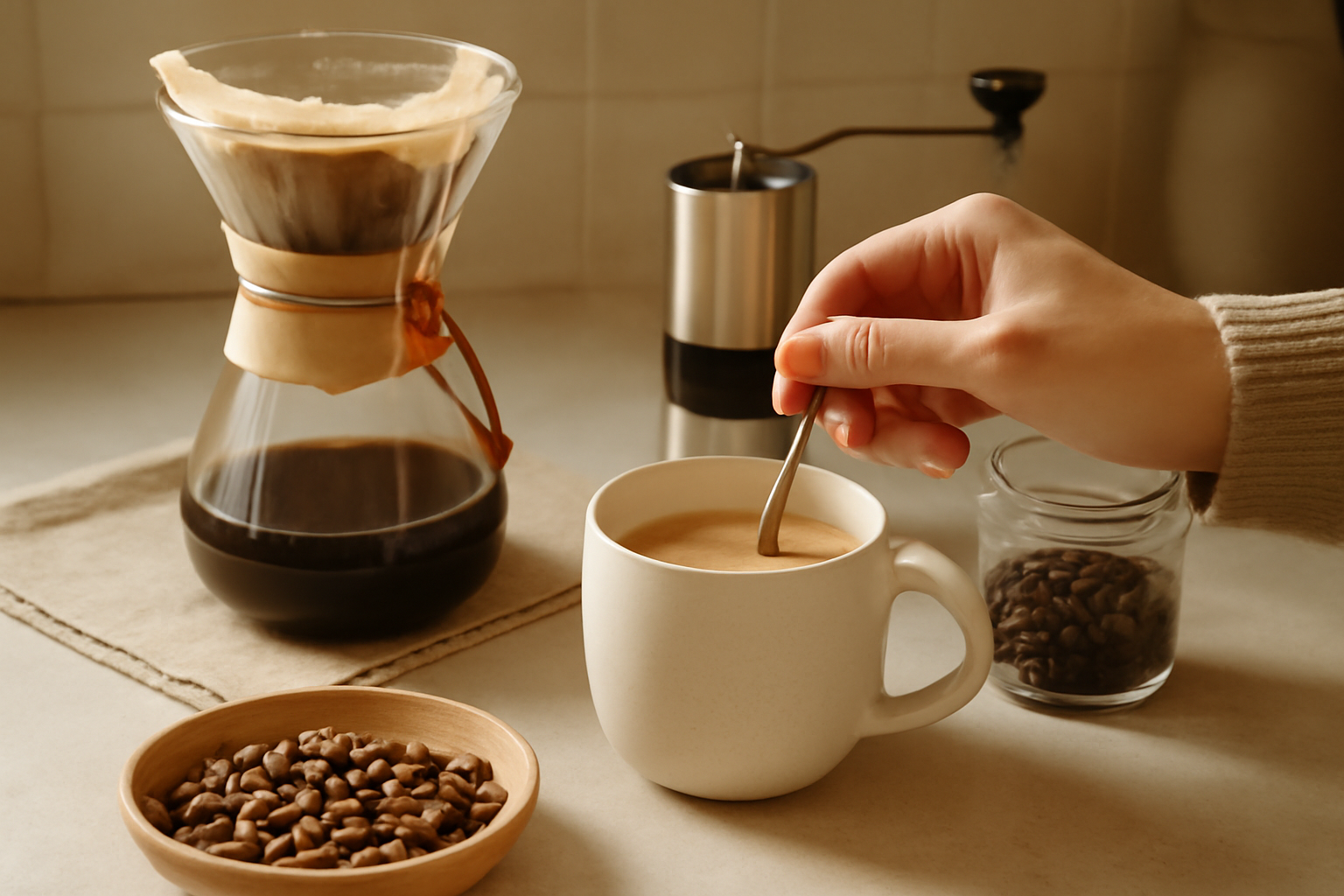
Have you ever taken a sip of your morning brew only to be met with disappointment? If you find yourself wondering, "why does my coffee taste bland?", you're not alone. Many coffee enthusiasts face this frustrating issue, but the good news is that there are specific reasons behind it-and even better, there are solutions.
This guide will explore the common causes of bland coffee and offer practical tips to enhance your coffee experience. Whether you're a busy mom, a remote worker, or simply someone who loves a good cup of joe, you deserve to enjoy every sip. Let's dive into the world of coffee and discover how to bring out its full flavor potential.
Table of Contents
Quick Diagnosis
Before we delve into the solutions, it's essential to identify the symptoms and root causes of bland coffee. Here are a few quick checks you can perform: Discover the Joy of Fresh Coffee Delivered to Your Doorstep.
- **Taste**: Is your coffee lacking in flavor? Does it taste flat or watery? Consider taking a sip and noting the specific flavors you expect versus what you experience. A well-brewed coffee should have a rich complexity, with notes of sweetness, acidity, and bitterness.
- **Aroma**: Does your coffee have a weak or unappealing smell? The aroma of coffee is crucial to its overall flavor profile. If you can barely detect any scent, it may indicate stale beans or improper brewing methods.
- **Appearance**: Is the coffee too light in color, suggesting under-extraction? A vibrant, rich color often indicates that the coffee has been brewed correctly. If your coffee appears pale or watery, it might be a sign of insufficient brewing time or incorrect grind size.
To help you diagnose the issue further, consider the following checklist: art of coffee brewing.
Checklist for Diagnosing Bland Coffee
- Check the coffee beans: Are they fresh? If your beans are older than two weeks from roasting, they may have lost their flavor.
- Review the grind size: Is it appropriate for your brewing method? For instance, a French press requires a coarse grind, while espresso needs a fine grind.
- Examine your water quality: Are you using filtered water? Tap water with high mineral content or chlorine can affect the taste of your coffee.
- Assess your brewing time: Are you following the recommended brewing times for your method? Over-brewing or under-brewing can lead to blandness.
- Consider the coffee-to-water ratio: Are you using the right amount of coffee? A common guideline is two tablespoons of coffee per six ounces of water.
If you answered yes to any of these, your coffee might indeed be bland due to several factors that we will cover in the following sections. Additionally, keep in mind common mistakes that can lead to a lackluster cup:
Common Mistakes to Avoid
- Using stale coffee beans: Always check the roast date and opt for fresh, high-quality beans to ensure optimal flavor.
- Incorrect brewing temperature: The ideal water temperature for brewing coffee is between 195°F and 205°F. Water that is too hot or too cold can lead to poor extraction.
- Neglecting equipment cleanliness: Coffee oils and residues can build up in your brewing equipment, affecting flavor. Regularly clean your coffee maker, grinder, and other tools.
- Not experimenting with different brewing methods: If you always use the same method, consider trying a new one to see if it enhances the flavor. Different techniques can bring out unique qualities in your coffee.
By systematically checking these aspects, you can pinpoint the reasons behind your bland coffee and take the necessary steps to improve your brewing experience. In the upcoming sections, we will explore solutions tailored to each identified issue, ensuring that your next cup of coffee is bursting with flavor.
Common Causes of Bland Coffee
1. Incorrect Coffee-to-Water Ratio
One of the most prevalent reasons for bland coffee is using too little coffee grounds compared to water. If your coffee is too diluted, it will naturally lack flavor. A general rule of thumb is to use about two tablespoons of coffee for every six ounces of water, but this can vary based on personal preference.
2. Poor Quality Coffee Beans
Not all coffee is created equal. If you're using low-quality beans, they may not bring out the rich, vibrant flavors you expect. Opt for a premium coffee selection that ensures freshness and flavor integrity. Consider exploring our coffee lovers collection to find beans that resonate with your taste buds.
3. Stale Coffee
Freshness matters in coffee. Stale beans lose their essential oils and flavors, resulting in a bland brew. Ensure your coffee is freshly roasted and stored properly in an airtight container. If you're looking for convenience, a coffee subscription service can help maintain freshness by delivering freshly roasted coffee to your door regularly.
4. Inadequate Brewing Time or Temperature
Brewing time and temperature play critical roles in extracting the coffee's flavors. If your coffee isn't brewed long enough or at the right temperature (195°F to 205°F), it can lead to under-extraction, resulting in a flat taste. Experiment with different brewing methods to find the optimal time and temperature for your beans.
5. Water Quality
The water you use can significantly impact your coffee's flavor. Hard water or water with impurities can lead to off-flavors. Use filtered water for the best results, as it can enhance the taste of your coffee.
Fix It Fast
Now that you know the common culprits, let's focus on quick fixes to elevate your coffee experience:
1. Adjust the Coffee-to-Water Ratio
Start by measuring your coffee grounds accurately. If your coffee tastes weak, add more grounds gradually until you find the perfect balance for your palate.
2. Switch to Quality Beans
Consider exploring small-batch roasters or specialty brands that offer high-quality, ethically sourced beans. This can make a significant difference in flavor. Our coffee lovers collection features a variety of options worth trying.
3. Ensure Freshness
Purchase only what you can consume in a reasonable time frame, and store your beans properly. If you're busy, a coffee subscription service can help maintain a steady supply of freshly delivered coffee.
4. Refine Your Brewing Technique
Take the time to experiment with your brewing method. Whether you use a French press, pour-over, or espresso machine, adjusting the brewing time can help extract more flavor. Research the specific requirements for your chosen method and follow them closely.
5. Use Clean, Filtered Water
Invest in a water filter if you haven't already. Clean water can drastically improve the flavor profile of your coffee. Make sure to avoid any flavored or tap water with a strong aftertaste.
Brewing Challenges and Solutions
Many people face various brewing challenges that can lead to bland coffee. Here are some common issues and their solutions:
1. Brewing Method Misalignment
Different brewing methods require different techniques. Make sure you're using the right grind size for your brewing method, as this can affect extraction. For example, a coarser grind works best for a French press, while a finer grind is ideal for espresso. Here's a quick guide to help you match grind size with brewing methods:
- French Press: Coarse grind (similar to sea salt)
- Pour Over: Medium grind (like granulated sugar)
- Drip Coffee Maker: Medium grind
- Espresso: Fine grind (like powdered sugar)
- AeroPress: Fine to medium grind depending on the method used
Additionally, pay attention to brewing time. For instance, a French press should steep for about 4 minutes, while espresso takes around 25-30 seconds. Adjusting both grind size and brewing time can drastically improve flavor extraction.
2. Equipment Maintenance
Dirty brewing equipment can impart unwanted flavors to your coffee. Regularly clean your coffee maker, grinder, and any other tools you use. This simple step can elevate the quality of your brew significantly. Here's a checklist for maintaining your coffee equipment:
- Coffee Maker: Clean the carafe and brew basket with warm soapy water after every use. Run a cleaning solution or a mixture of vinegar and water through the machine every month.
- Grinder: Brush out any coffee grounds after each use, and deep clean with rice or grinder cleaning pellets every few weeks to remove oils and residue.
- French Press: Disassemble and wash all parts with warm soapy water after each use. Pay special attention to the mesh filter, as oils can build up there.
By keeping your equipment in top shape, you can prevent old coffee oils and residues from affecting the taste of your fresh brew.
3. Experimenting with Additives
If you enjoy flavored coffee, try adding a sprinkle of cinnamon or a dash of vanilla extract to your brew. However, be cautious not to overpower the natural flavors of the coffee itself. Here are some tips for using additives effectively:
- Start Small: Begin with a small amount of any additive to gauge how it complements the coffee. You can always add more if needed.
- Natural Sweeteners: Instead of sugar, consider using honey or maple syrup for a different flavor profile. These can enhance the coffee's natural sweetness without masking its flavor.
- Infused Creamers: If you prefer cream in your coffee, try making your own flavored creamers with milk, cream, and natural extracts like almond or hazelnut.
Remember, the goal is to enhance, not overshadow, the coffee's inherent qualities. Keep experimenting until you find the perfect balance that suits your palate.
Conclusion
With the right adjustments, you can transform your coffee from bland to bold and flavorful. Start by diagnosing the issues affecting your brew, make necessary changes, and enjoy the rich experience of a well-crafted cup of coffee. Remember, investing in quality beans and refining your brewing technique goes a long way toward achieving the delightful coffee you crave. Now, take action and start brewing a cup that excites your taste buds today!
Steps to Enhance Your Coffee Experience
- Assess Your Coffee Beans: Begin by evaluating the freshness and quality of your coffee beans. Look for beans that have been roasted recently, ideally within the last two weeks. Check for the roast date on the packaging and avoid pre-ground coffee whenever possible.
- Experiment with Grind Size: The grind size significantly impacts the flavor extraction. For example, a coarse grind is suitable for French press, while a fine grind works best for espresso. Try different grind sizes to find the one that produces the best flavor for your brewing method.
- Optimize Brewing Time: Brewing time varies by method. For instance, a French press typically requires 4 minutes, while pour-over might take 3-4 minutes. Use a timer to ensure consistency and adjust based on your taste preferences.
- Adjust Water Temperature: The ideal water temperature for brewing coffee is between 195°F and 205°F. If your water is too hot, it can scorch the coffee, leading to a bitter taste. Use a thermometer or let boiling water sit for 30 seconds before pouring.
- Measure Your Coffee and Water: Use a scale to measure coffee and water accurately. A common ratio is 1:15 (1 gram of coffee for every 15 grams of water). Adjust this ratio to suit your taste, but consistency is key.
Common Mistakes to Avoid
- Using Stale Beans: Always check the roast date and avoid using beans that have been sitting around for too long. Stale beans lose their flavor and aroma.
- Ignoring Water Quality: The water you use can affect the taste of your coffee. Use filtered water to avoid any impurities that can alter the flavor profile.
- Overlooking Equipment Cleanliness: Coffee oils and residues can build up in your brewing equipment, leading to off-flavors. Clean your coffee maker, grinder, and any other tools regularly.
- Not Experimenting: Don't be afraid to try different beans, brewing methods, or flavor additions. Experimentation can lead to discovering your perfect cup.
Final Thoughts
Transforming your coffee from bland to bold is a journey that involves experimentation and refinement. By following the steps outlined above and avoiding common pitfalls, you can enhance your coffee experience significantly. Remember that every cup is an opportunity to learn and improve. So, gather your tools, choose quality ingredients, and start crafting coffee that not only wakes you up but also delights your senses. Enjoy the process, and soon you'll be savoring each sip of a well-crafted cup of coffee.