

Step-by-Step Guide to Enjoying Coffee Tasting Experiences
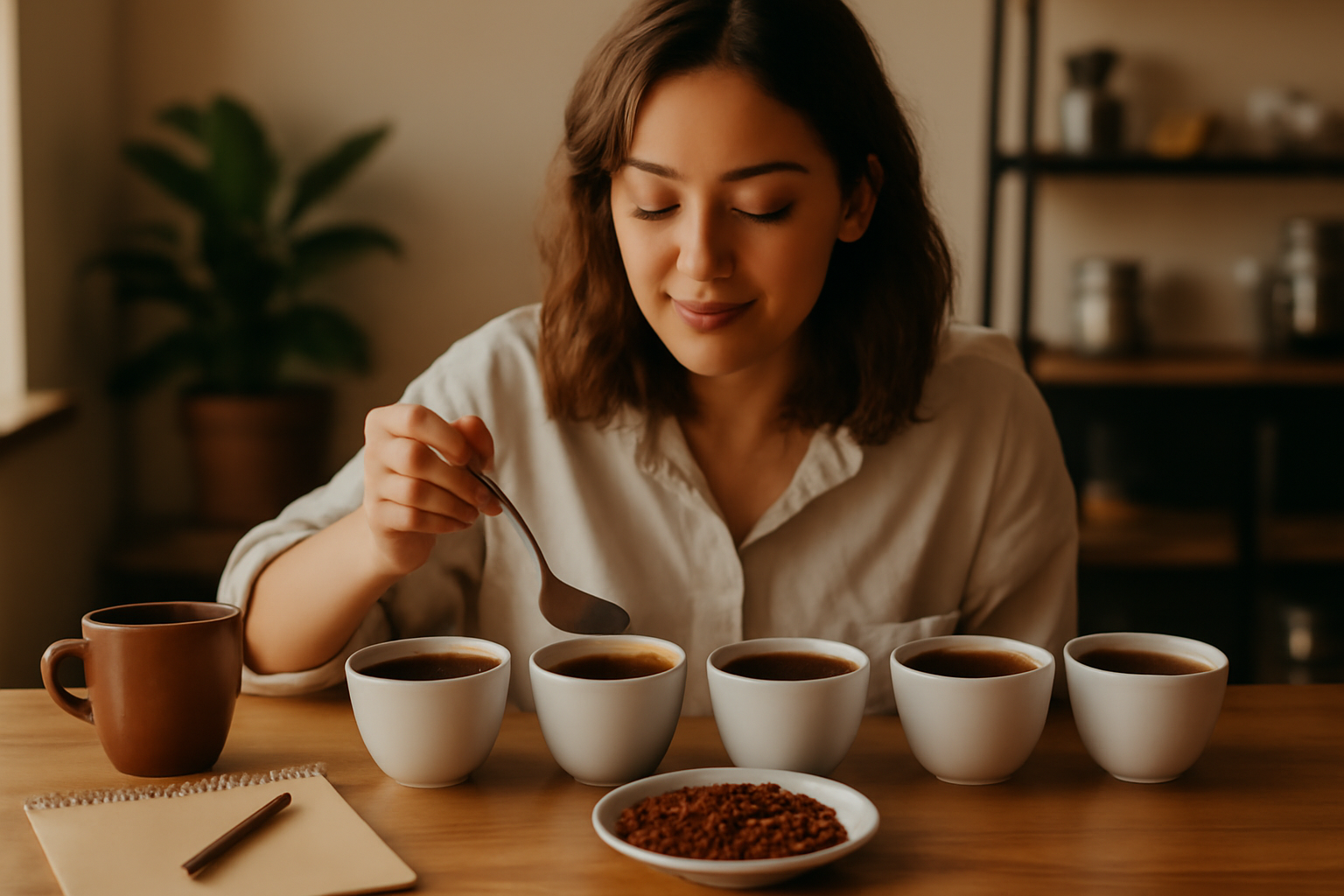
Experiencing the world of coffee tasting can be a delightful journey that transcends the everyday cup of joe. Whether you're a busy mom seeking a moment of relaxation or an entrepreneur looking to refine your palate, learning how to enjoy coffee tasting experiences can elevate your appreciation for this beloved beverage.
This guide will walk you through the steps to embark on your coffee tasting adventure, helping you to savor the unique flavors and aromas that different coffees offer. With the right approach, you can transform your coffee routine into a rich and flavorful exploration.
Table of Contents
Step 1: Gather Your Coffee Selection
Start by curating a selection of coffees that you want to taste. Look for a variety of beans to compare and contrast different flavors. Consider exploring: Discover the Joy of Fresh Coffee Delivered to Your Doorstep.
- Single-origin coffees: These are sourced from a specific region, giving you unique flavor profiles.
- Blends: Combining beans from different origins can create complex flavors.
- Roast levels: Experiment with light, medium, and dark roasts to discover your preferences.
Don't forget to include some herbal elegance teas in your selection if you're feeling adventurous. This can add a refreshing twist to your tasting experience. brewing coffee at home.
Step 2: Prepare Your Tasting Space
Creating the right environment is key to enjoying the nuances of coffee. Here are a few tips to enhance your coffee tasting experience:
- Choose a quiet and comfortable space where you can focus on tasting. Consider a spot away from distractions like TV or loud conversations. A cozy nook or a well-lit dining table can work perfectly.
- Set up a table with all your supplies: coffee, cups, water, and tasting notes. Make sure to have a clean surface to avoid any cross-contamination of flavors. Having a dedicated space helps you concentrate on the tasting process.
- Ensure good lighting for observing the coffee's color and texture. Natural light is ideal, but if that's not available, use bright, white artificial light to accurately assess the coffee's appearance.
Additional Considerations
- Temperature Control: Coffee should be served at the right temperature to fully appreciate its flavors. Let your coffee cool slightly after brewing, ideally between 130°F and 160°F (54°C to 71°C) for tasting.
- Minimize Odors: Avoid strong smells in the area, such as food, candles, or perfumes, which can interfere with your ability to smell the coffee's aroma. A neutral environment will help you focus on the coffee's unique scent.
- Seating Arrangement: Use comfortable seating that allows you to sit relaxed but alert. You want to be engaged without feeling too casual or lethargic.
Creating a Tasting Checklist
Having a checklist can enhance your preparation and ensure you don't miss any essential steps. Here's a simple checklist to follow:
- ☐ Select the coffees you want to taste.
- ☐ Gather all necessary supplies: cups, spoons, water, and tasting notes.
- ☐ Prepare snacks or palate cleansers, such as plain crackers or bread, to reset your taste buds between coffees.
- ☐ Make sure to have a timer for brewing and tasting intervals.
- ☐ Set up a comfortable seating arrangement that encourages focus.
Avoiding Common Mistakes
Even seasoned coffee tasters can sometimes overlook critical aspects of their tasting environment. Here are some common mistakes to avoid:
- Forgetting to Clean: Ensure all your equipment is clean. Residual oils or flavors from previous tastings can skew your results.
- Rushing the Process: Take your time to savor each coffee. Rushing can lead to missed flavors and aromas.
- Not Taking Notes: Failing to jot down your impressions can lead to confusion later. Use a dedicated notebook or app to document your thoughts on each coffee.
By carefully preparing your tasting space, you set the stage for a rewarding coffee tasting experience that allows you to fully appreciate the complexities and subtleties of each cup. Enjoy the journey of discovery as you delve into the world of coffee flavors!
Step 3: Utilize Proper Coffee Preparation Methods
The way you brew your coffee can significantly impact its flavor. Here are some popular coffee preparation methods you can try:
1. Pour-Over
This method allows for more control over the brewing process, enhancing the coffee's flavor clarity.
2. French Press
A French press offers a rich and full-bodied coffee experience.
3. Aeropress
This method produces a concentrated coffee that highlights distinct flavor notes.
Experimenting with these different preparation methods can enhance your home brewing experience and reveal new dimensions of flavor in your coffee tasting.
Step 4: Engage Your Senses
When tasting coffee, it's essential to engage all your senses. Here's how to do it:
- Smell: Take a moment to inhale the aroma before tasting. This can provide insights into the flavor profile.
- Taste: Take small sips to let the coffee coat your palate. Pay attention to the acidity, sweetness, bitterness, and body.
- Observe: Look at the color and clarity of your coffee, as these can also indicate quality.
Step 5: Take Notes
As you taste, jot down your impressions. Create a simple checklist that includes:
- Flavor notes: What flavors do you detect? Are there fruity, nutty, or chocolatey notes?
- Body: Is it light, medium, or full-bodied?
- Aftertaste: How does it linger on your palate?
These notes will help you identify your preferences for future coffee selections. If you enjoy the convenience of coffee delivery, consider a coffee subscription service that offers a premium coffee selection based on your taste preferences.
Step 6: Share the Experience
Coffee tasting can be even more enjoyable when shared with others. Invite friends or family to join you in this tasting journey. Create a casual tasting event where everyone can bring their favorite coffees. This social aspect can enhance your appreciation and make the experience more memorable.
Organizing a Coffee Tasting Event
To ensure a successful coffee tasting event, consider the following steps:
- Choose a Date and Time: Select a day that works for most of your guests. Weekends often work best for busy schedules.
- Set a Theme: Decide on a theme for your tasting. This could be based on regions (like South America vs. Africa), roast levels (light vs. dark), or even brewing methods (French press vs. pour-over).
- Send Invitations: Use digital invitations or create a group chat to invite your friends and family. Include the date, time, theme, and any specific instructions (like bringing their own coffee).
- Gather Supplies: Make sure you have enough tasting cups, spoons, and water for rinsing. You might also want to provide some snacks that pair well with coffee, such as pastries or chocolates.
- Prepare a Tasting Scorecard: Create a simple scorecard for guests to jot down their thoughts on each coffee. Include sections for aroma, flavor, acidity, and overall impression.
Enhancing the Experience
During the tasting, consider the following tips to enhance the experience:
- Brewing Techniques: If possible, brew the coffees using different methods to showcase their unique flavors. This can lead to fascinating discussions about how brewing affects taste.
- Encourage Discussion: As you taste each coffee, encourage guests to share their thoughts. What flavors do they notice? How does the coffee make them feel? This can lead to a deeper understanding of coffee nuances.
- Pair with Food: Offer a selection of food that complements the coffees. For example, light pastries can enhance the sweetness of a light roast, while dark chocolate pairs beautifully with bold, dark coffees.
Common Mistakes to Avoid
To make your coffee tasting event a success, be mindful of these common pitfalls:
- Overcomplicating the Event: Keep it simple. Too many coffees or overly complicated brewing methods can overwhelm guests. Stick to a manageable number of selections.
- Neglecting Preparation: Ensure that all equipment is clean and ready before guests arrive. This includes coffee makers, cups, and any other tools you plan to use.
- Not Providing Guidance: Some guests may be new to coffee tasting. Provide a brief overview of what to look for in each coffee, including how to assess aroma, flavor, and body.
Follow-Up After the Event
After your coffee tasting, consider following up with your guests:
- Share Your Notes: Email or message guests a summary of the coffees tasted, along with any standout favorites. This can help everyone remember their preferences.
- Plan a Future Tasting: If everyone enjoyed the experience, consider planning another tasting in the future. Rotate hosts or themes to keep things fresh and exciting.
- Encourage Ongoing Discussion: Create a group chat or social media group dedicated to coffee discussions. This can foster a community around your shared love of coffee.
By sharing the coffee tasting experience, you not only deepen your appreciation for coffee but also create lasting memories with friends and family. Enjoy the journey together!
Step 7: Reflect and Refine
After your tasting session, take some time to reflect on your experience. What did you enjoy the most? Were there any surprises? This reflection will help you refine your coffee choices in the future and deepen your appreciation for quality coffee.
To make the most of your reflections, consider keeping a coffee tasting journal. This can be a simple notebook or a digital document where you can jot down your thoughts and observations. Here are some practical steps to guide your reflection process:
1. Record Your Impressions
Immediately after your tasting, write down your impressions while they are still fresh in your mind. Include details such as:
- Flavor notes: Describe the flavors you experienced. Were they fruity, nutty, or chocolaty? Did you notice any specific spices or floral notes?
- Aroma: What aromas stood out to you? Did the smell evoke any memories or feelings?
- Body: Was the coffee light, medium, or full-bodied? How did the texture feel in your mouth?
- Aftertaste: How long did the flavors linger after swallowing? Was it pleasant or overwhelming?
2. Rate Your Experience
Consider developing a rating system to quantify your tasting experiences. For example, you might use a scale of 1 to 10 for different aspects of the coffee:
- Overall enjoyment - How much did you enjoy the coffee overall?
- Flavor complexity - How many different flavors could you identify?
- Balance - Did the flavors work well together, or was one flavor overpowering?
- Freshness - How fresh did the coffee taste? Was it recently roasted?
This scoring system will help you compare different coffees over time and identify your preferences more clearly.
3. Identify Patterns
After several tasting sessions, review your notes to identify any patterns. Are there certain flavor profiles or origins that you consistently rate highly? Do you prefer light roasts over dark roasts, or vice versa? Noticing these trends can guide your future coffee purchases. For instance, if you find that you love Ethiopian coffees for their fruity notes, you might seek out more options from that region.
4. Experiment with Brewing Methods
Your tasting reflections can also lead to experimentation with different brewing methods. If you noted that a particular coffee tasted better with a specific method, such as pour-over or French press, try using that method more often. Consider documenting how each method affects the flavor and aroma of different coffees.
5. Share Your Insights
Engaging with others who share your passion for coffee can enhance your experience. Share your reflections and ratings with friends or in online coffee communities. This can lead to discussions that deepen your understanding and appreciation. You might even discover new coffee varieties or brewing techniques that you hadn't considered before.
6. Avoid Common Mistakes
As you reflect and refine your coffee tasting experiences, be mindful of these common mistakes:
- Rushing the process: Take your time to truly savor each sip and avoid jumping to conclusions too quickly.
- Not cleaning your equipment: Residue from previous brews can affect the taste of your coffee. Ensure your brewing tools are clean before each tasting.
- Ignoring temperature: Coffee temperature can significantly influence flavor perception. Allow your coffee to cool slightly before tasting to fully appreciate its nuances.
By following these steps, you will not only enhance your coffee tasting experiences but also cultivate a deeper appreciation for the art of coffee. Your reflections will guide you on your journey to discovering the perfect cup tailored to your unique taste preferences.
Conclusion
Embarking on a coffee tasting journey is a rewarding experience that can transform the way you enjoy your daily brew. By following these steps, you can explore diverse flavors and discover your preferences in the world of coffee. As a next step, consider curating your own coffee lovers collection and dive deeper into the rich tapestry of coffee flavors available to you.