

Is Specialty Coffee Worth the Price? FAQ: 12 Common Questions Answered
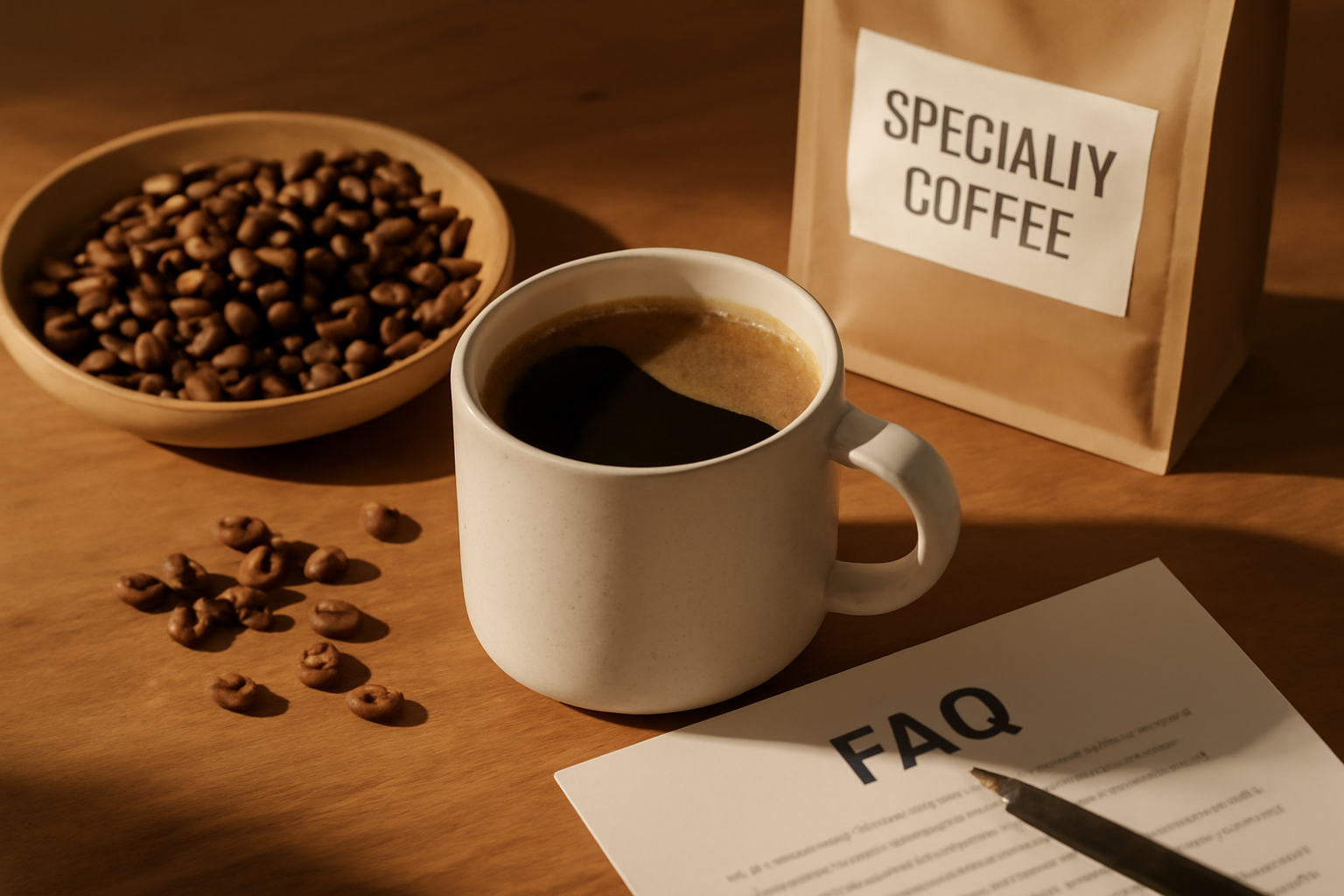
Specialty coffee has gained significant traction among coffee lovers, but many still question whether the price tag justifies the experience. In this FAQ, we address the most common queries surrounding specialty coffee, helping you understand its value and what sets it apart from regular coffee.
Whether you're a busy mom looking for a quality pick-me-up or an entrepreneur needing that perfect brew to fuel your day, knowing more about specialty coffee can enhance your coffee journey. Let's dive into the questions that can help clarify if specialty coffee is worth the investment for you.
Table of Contents
- 1. What defines specialty coffee?
- 2. Why is specialty coffee more expensive than regular coffee?
- 3. How does the flavor of specialty coffee differ from regular coffee?
- 4. Is specialty coffee worth it for casual drinkers?
- 5. Can specialty coffee be enjoyed at home?
- 6. What should I look for when purchasing specialty coffee?
- 7. How can I make specialty coffee more affordable?
- 8. Are there health benefits associated with specialty coffee?
- 9. How does sourcing impact the price of specialty coffee?
- 10. Can I find specialty coffee that fits my dietary needs?
- 11. Is there a difference in brewing methods for specialty coffee?
- 12. How do I choose the right specialty coffee for gifts?
1. What defines specialty coffee?
Specialty coffee is characterized by its high quality, unique flavors, and meticulous production process. It is graded above 80 points on a 100-point scale by certified coffee tasters. This classification considers factors like origin, processing methods, and flavor profiles. The focus on quality means that specialty coffee is often sourced from specific regions, where beans can express distinct characteristics. The Comprehensive Guide to Coffee: Understanding Single Origin, Specialty, and More.
Additionally, specialty coffee producers typically engage in sustainable and ethical practices, ensuring that farmers receive fair compensation. This commitment to quality and ethics is a significant factor contributing to its higher price point. busy lifestyle coffee.
2. Why is specialty coffee more expensive than regular coffee?
The higher cost of specialty coffee can be attributed to several factors. Firstly, the beans are often sourced from specific regions known for their unique flavor profiles, which involves more labor-intensive farming practices. This results in lower yields compared to mass-produced coffee.
Moreover, specialty coffee undergoes meticulous processing and grading, ensuring that only the best beans make it to your cup. This emphasis on quality control, combined with fair compensation for farmers, contributes to the overall price of specialty coffee.
3. How does the flavor of specialty coffee differ from regular coffee?
Flavor is one of the most compelling reasons to choose specialty coffee. The unique growing conditions, processing methods, and bean varieties contribute to a wide range of flavors and aromas not typically found in regular coffee. You may experience notes of fruit, chocolate, or even floral undertones in specialty blends.
In contrast, regular coffee often has a more uniform flavor profile, lacking the complexity and depth that specialty coffee offers. Exploring coffee varieties can be an exciting journey for your palate, revealing new tastes you may have never encountered before.
4. Is specialty coffee worth it for casual drinkers?
For casual coffee drinkers, the investment in specialty coffee may seem excessive. However, if you appreciate quality and enjoy exploring different flavors, specialty coffee can enhance your coffee-drinking experience. It's about finding joy in the brew and savoring the unique profiles each cup offers.
If you're someone who enjoys a convenient coffee selection without sacrificing taste, specialty coffee could be a delightful upgrade from your usual choice. A coffee subscription box can also help you discover new favorites without overwhelming your budget.
5. Can specialty coffee be enjoyed at home?
Absolutely! Specialty coffee can easily be enjoyed at home with the right equipment and brewing techniques. Investing in a quality grinder and a brewing method that suits your taste-like pour-over, French press, or espresso-can significantly enhance your at-home coffee experience.
Many specialty coffee brands also offer convenient coffee selections tailored for home brewing, making it easier than ever to enjoy premium coffee without leaving your kitchen.
Essential Equipment for Home Brewing
To enjoy specialty coffee at home, consider the following essential equipment:
- Coffee Grinder: A burr grinder is recommended for consistent grind size, which is crucial for flavor extraction. Look for models that allow you to adjust the grind size for different brewing methods.
- Brewing Device: Choose a brewing method that suits your preferences. Options include:
- Pour-Over: This method allows for precise control over brewing time and temperature, enhancing flavor.
- French Press: Ideal for a full-bodied coffee experience, as it allows oils and fine particles to remain in the cup.
- Espresso Machine: For those who enjoy rich and concentrated coffee, an espresso machine can be a great investment.
- Scale: A digital scale helps measure coffee and water accurately, ensuring a consistent brew every time.
- Water Kettle: A kettle with temperature control is beneficial, especially for pour-over methods where water temperature can impact flavor.
Brewing Techniques and Tips
Once you have the right equipment, mastering brewing techniques can elevate your coffee experience. Here are some tips:
- Use Fresh Beans: Always use freshly roasted beans for the best flavor. Store them in an airtight container away from light and moisture.
- Measure Coffee and Water: A general guideline is to use 1 to 2 tablespoons of coffee per 6 ounces of water. Experiment with ratios to find your preferred strength.
- Water Quality: Use filtered water to avoid any unwanted flavors that tap water may introduce.
- Brewing Temperature: Aim for a water temperature between 195°F and 205°F for optimal extraction.
Common Mistakes to Avoid
Even with the right tools, it's easy to make mistakes that can negatively impact your coffee. Here are some common pitfalls to avoid:
- Using Stale Coffee: Always check the roast date and use coffee within a few weeks of roasting for the best flavor.
- Inconsistent Grind Size: Ensure your grind size matches your brewing method. A coarse grind is best for a French press, while a fine grind is ideal for espresso.
- Ignoring Brew Time: Each brewing method has an optimal brew time. For example, pour-over typically takes 3-4 minutes, while a French press should steep for about 4 minutes.
- Not Cleaning Equipment: Regularly clean your coffee maker and grinder to prevent old coffee oils from affecting flavor.
Exploring Specialty Coffee Selections
Many specialty coffee brands offer curated selections specifically designed for home brewing. Here are some options to consider:
- Single-Origin Beans: These beans come from a specific region and often have unique flavor profiles that reflect their origin.
- Blends: Blends combine beans from different regions to create a balanced flavor. Look for blends that suit your taste preferences.
- Subscription Services: Consider signing up for a coffee subscription service that delivers freshly roasted beans to your door, allowing you to explore different flavors each month.
With the right equipment, techniques, and specialty coffee selections, enjoying high-quality coffee at home is not only possible but also a delightful experience. Embrace the journey of discovering your perfect cup, and you may find that brewing at home becomes a cherished ritual in your daily routine.
6. What should I look for when purchasing specialty coffee?
When purchasing specialty coffee, consider factors such as the roast date, origin, and flavor notes. Freshness is crucial; always check the roast date to ensure you're getting the freshest beans possible. The origin can give you insight into the flavor profile you might expect, as different regions produce distinct taste characteristics.
Additionally, look for information on the processing method, as this can also impact flavor. A good specialty coffee will often provide tasting notes, allowing you to select a brew that aligns with your preferences.
7. How can I make specialty coffee more affordable?
There are several ways to enjoy specialty coffee without breaking the bank. Consider purchasing in bulk or subscribing to a coffee service that offers discounts for regular deliveries. A coffee subscription box can also introduce you to various blends at a reduced price.
Another option is to focus on single-origin coffees, which might be more affordable than blended varieties. Experimenting with brewing methods at home can also save you money compared to buying specialty coffee from cafes.
8. Are there health benefits associated with specialty coffee?
Specialty coffee, like any coffee, contains antioxidants and may offer health benefits such as improved cognitive function and reduced risk of certain diseases. However, the health benefits largely depend on individual consumption habits and overall lifestyle.
Choosing organic specialty coffee can also minimize exposure to pesticides, promoting a healthier choice overall. As with all things, moderation is key, but enjoying high-quality coffee can be part of a balanced lifestyle.
9. How does sourcing impact the price of specialty coffee?
Sourcing is a critical component that influences the price of specialty coffee. Many specialty coffee roasters prioritize direct trade or fair trade practices, ensuring farmers receive fair compensation for their labor. This ethical approach often leads to higher prices but creates a positive impact on the communities involved.
By supporting these sourcing practices, consumers contribute to sustainable farming and better livelihoods for coffee producers, making the higher price worth it on multiple levels.
10. Can I find specialty coffee that fits my dietary needs?
Yes! Many specialty coffee brands offer options that cater to various dietary needs. For example, you can find organic, gluten-free, and fair-trade coffees, ensuring that your selection aligns with your lifestyle choices.
When browsing for specialty coffee, be sure to check the packaging for certifications and details on sourcing. This transparency will help you make informed choices that suit your dietary preferences.
Types of Specialty Coffee for Different Dietary Needs
Specialty coffee can cater to a wide range of dietary requirements. Here are some common categories to consider:
- Organic Coffee: Look for coffee labeled as organic, which means it is grown without synthetic pesticides or fertilizers. This is a great choice for those looking to reduce their exposure to chemicals.
- Gluten-Free Coffee: All coffee is naturally gluten-free; however, cross-contamination can occur during processing. Choose brands that specifically label their products as gluten-free to ensure safety.
- Fair-Trade Coffee: This certification ensures that the coffee is sourced from farmers who are paid fair wages. It often aligns with ethical consumption values, making it a popular choice for conscientious consumers.
- Low-Acidity Coffee: If you have a sensitive stomach or suffer from acid reflux, look for low-acidity options. These coffees are specifically processed to reduce acidity levels, making them gentler on the digestive system.
- Decaffeinated Coffee: For those who want to enjoy coffee without the jitters or sleepless nights, decaf options are available. Specialty decaf coffees maintain rich flavors while eliminating most of the caffeine content.
How to Choose Specialty Coffee Based on Dietary Needs
When selecting specialty coffee, consider the following steps to ensure it meets your dietary requirements:
- Identify Your Needs: Determine what dietary restrictions you have, whether it's organic, gluten-free, or ethical sourcing.
- Research Brands: Look for brands that specialize in your dietary preferences. Read reviews and check their websites for certifications.
- Read Labels: Always check the packaging for labels indicating organic, gluten-free, fair-trade, or low-acid certifications. This information is crucial for making informed choices.
- Try Sample Packs: Many specialty coffee brands offer sample packs. This allows you to test different types without committing to a full bag, helping you find the right fit for your needs.
- Consult with Baristas: If you visit a specialty coffee shop, don't hesitate to ask the baristas for recommendations based on your dietary preferences. They often have in-depth knowledge of the products they serve.
Common Mistakes to Avoid
When searching for specialty coffee that fits your dietary needs, be mindful of these common pitfalls:
- Ignoring Certifications: Don't overlook the importance of certifications. Always verify that the coffee aligns with your dietary requirements.
- Assuming All Coffee is the Same: Not all specialty coffee is created equal. Different brands may have varying standards for sourcing and processing.
- Neglecting Flavor Profiles: Dietary needs should not compromise flavor. Take the time to explore options that meet your needs while still delivering a satisfying taste.
- Forgetting to Check for Allergens: While coffee itself is generally allergen-free, some flavored coffees may contain additives that could trigger allergies. Always read the ingredient list.
By being informed and proactive, you can easily find specialty coffee that not only meets your dietary needs but also elevates your coffee experience. Enjoy the journey of discovering high-quality, delicious coffee that aligns with your lifestyle!
11. Is there a difference in brewing methods for specialty coffee?
Yes, the brewing method can significantly impact the flavor of specialty coffee. Different methods, such as pour-over or cold brew, extract flavors differently, highlighting various notes in the coffee. For instance, pour-over techniques often accentuate the acidity and brightness of the coffee, while French press can offer a richer, bolder flavor.
Experimenting with various brewing methods can be a fun way to discover which technique best suits your taste preferences, and it can elevate your overall coffee experience at home.
12. How do I choose the right specialty coffee for gifts?
Choosing specialty coffee as a gift is a thoughtful gesture, especially for coffee enthusiasts. Consider the recipient's taste preferences-do they prefer light, fruity notes or dark, rich flavors? Selecting a versatile blend or a single-origin coffee from a notable region can be a safe bet.
Additionally, a beautifully packaged coffee subscription box can be an excellent gift option, allowing the recipient to explore new flavors over time. This way, you not only give them coffee but also an experience to look forward to.
In conclusion, investing in specialty coffee can be a rewarding experience, especially for those who appreciate quality and flavor. If you're ready to elevate your coffee game, consider exploring different varieties or trying a coffee subscription box that introduces you to premium coffee alternatives tailored to your tastes. Enjoy the journey of discovering what makes specialty coffee worth every penny!