

The Comprehensive Guide to Coffee: Understanding Single Origin, Specialty, and More
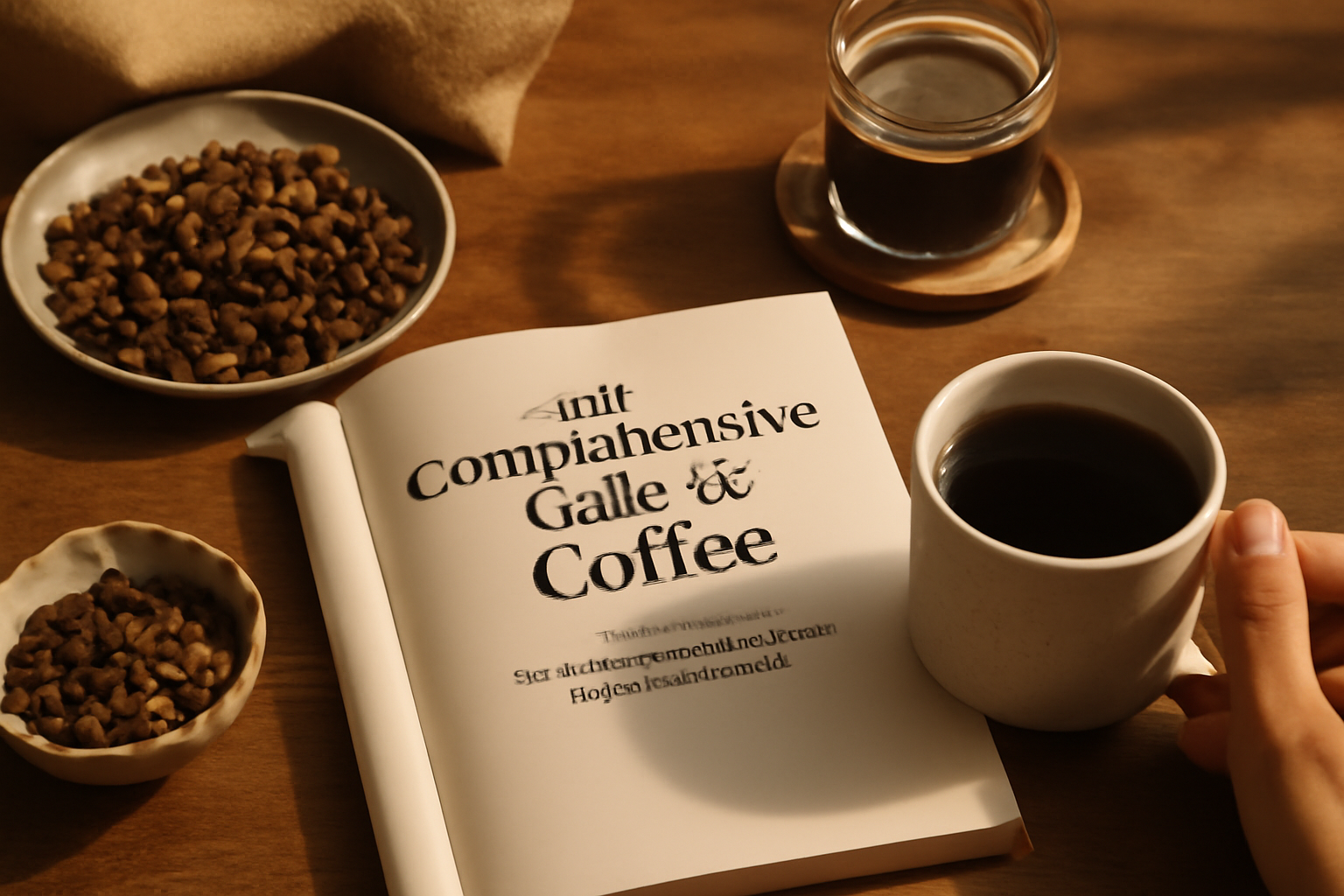
Coffee is more than just a morning beverage; it's a ritual, a culture, and an art form that brings people together. As you explore the world of coffee, you'll encounter various types, including single origin and specialty coffee, each offering unique flavors and characteristics. This guide aims to deepen your understanding of coffee, covering everything from its origins to how to choose the right coffee subscription box for your needs.
Whether you're a beginner looking to brew your first cup or an enthusiast eager to refine your coffee knowledge, this guide provides comprehensive insights into the different aspects of coffee. Let's dive in and explore the rich world of coffee together!
Table of Contents
- 1. The Origins of Coffee
- 2. What is Single Origin Coffee?
- 3. Specialty Coffee Defined
- 4. Coffee Subscription Boxes: A Convenient Way to Explore
- 5. Incorporating Coffee into Your Morning Routine
- 6. Coffee Culture Around the World
- 7. Common Coffee Mistakes to Avoid
- 8. Frequently Asked Questions About Coffee
- Conclusion
1. The Origins of Coffee
Coffee's journey begins in the highlands of Ethiopia, where it was discovered by a goat herder named Kaldi. Over the centuries, coffee spread across the globe, evolving into various forms and styles. Understanding its origins can enhance your appreciation for the beverage.
1.1 The Coffee Plant Varieties
There are primarily two types of coffee plants: Arabica and Robusta. Arabica beans are known for their smooth, mild flavor and are predominantly grown in higher altitudes. Robusta beans, on the other hand, are stronger and more bitter, thriving in lower altitudes with higher caffeine content. Each type offers a distinct flavor profile and experience.
2. What is Single Origin Coffee?
Single origin coffee refers to beans sourced from a specific region, farm, or country, allowing for unique flavor characteristics influenced by local growing conditions. This type of coffee is celebrated for its distinct taste, which can reflect the terroir of its origin.
2.1 The Importance of Terroir
Terroir encompasses the environmental factors affecting a crop, including soil, climate, and altitude. In coffee, these factors significantly influence the flavor profile. For example, beans from Colombia might taste fruity and sweet, while those from Ethiopia could have floral and citrus notes.
2.2 How to Brew Single Origin Coffee
Brewing single origin coffee requires attention to detail to highlight its unique flavors. Consider using methods like pour-over or French press, allowing the coffee's nuances to shine through. Experimenting with grind size and brewing time can also enhance your experience.
3. Specialty Coffee Defined
Specialty coffee is graded based on quality and flavor. To be classified as specialty, coffee must score 80 points or higher on a 100-point scale, assessed by certified tasters. This grade reflects not just the taste but also the cultivation and processing methods used.
3.1 The Specialty Coffee Association (SCA)
The SCA plays a key role in promoting high-quality coffee through education, research, and standards. They provide resources for both consumers and coffee professionals, helping to elevate the coffee experience worldwide.
3.2 How to Identify Specialty Coffee
When selecting specialty coffee, look for clear labeling regarding its origin, processing methods, and tasting notes. Certifications such as Fair Trade or Organic can also indicate quality and ethical sourcing.
4. Coffee Subscription Boxes: A Convenient Way to Explore
Subscription boxes have gained popularity among coffee lovers who want to discover new flavors and brands without the hassle of shopping. These services curate selections from various roasters, delivering fresh coffee directly to your door.
4.1 What to Look for in a Subscription Box
When choosing a coffee subscription box, consider the following factors:
- Variety: Look for boxes that offer diverse selections from different regions and roasters.
- Frequency: Determine how often you want new coffee - weekly, bi-weekly, or monthly.
- Customization: Some services allow you to tailor your preferences based on flavor profiles.
4.2 Top Coffee Subscription Services
Some popular coffee subscription services include Trade Coffee, Blue Bottle Coffee, and Atlas Coffee Club. Each offers unique features, so explore their offerings to find the best fit for your taste and lifestyle.
5. Incorporating Coffee into Your Morning Routine
For many, coffee is a crucial part of the morning routine. Establishing a consistent method for brewing can enhance your daily experience and set a positive tone for the day ahead.
5.1 Brewing Methods
Popular brewing methods include:
- Drip Coffee Maker: Convenient for larger quantities, ideal for busy mornings.
- French Press: Great for rich, full-bodied coffee with a simple process.
- Pour-Over: Offers control over brewing variables, emphasizing flavor nuances.
5.2 Pairing Coffee with Breakfast
Consider pairing your coffee with a suitable breakfast. Light, fruity coffees go well with pastries, while richer, darker coffees complement hearty meals. Experimenting with pairings can elevate your morning routine.
6. Coffee Culture Around the World
Exploring how different cultures enjoy coffee can deepen your appreciation for its diversity. Each region has unique customs and brewing methods that reflect local traditions.
6.1 Italian Espresso Culture
Italy is renowned for its espresso culture, where coffee is often enjoyed quickly at the bar. Understanding the art of espresso preparation can enhance your coffee experience.
6.2 Swedish Fika Tradition
Fika is a Swedish concept that emphasizes taking a break to enjoy coffee and pastries. This tradition encourages slowing down and savoring the moment, highlighting coffee's role in social interactions.
7. Common Coffee Mistakes to Avoid
Even experienced coffee drinkers can fall into common pitfalls. Here are some mistakes to watch out for:
7.1 Using Stale Coffee
Freshness is key to great coffee. Always check the roast date, and aim to use beans within a few weeks of roasting for optimal flavor. Here's how to ensure you're using fresh coffee:
- Buy in small batches: Purchase enough coffee for about two weeks. This way, you're less likely to let it sit around and go stale.
- Store properly: Keep your coffee beans in an airtight container, away from light, heat, and moisture. A dark, cool pantry is ideal.
- Check for signs of staleness: If your coffee tastes flat or lacks aroma, it might be stale. Trust your taste buds.
Common mistakes include buying large quantities without considering how quickly you consume coffee or storing it in clear containers that allow light to degrade the beans.
7.2 Incorrect Brewing Temperature
Brewing coffee at the wrong temperature can lead to undesirable flavors. Aim for a water temperature between 195°F and 205°F for optimal extraction. To achieve this:
- Use a thermometer: Invest in a good kitchen thermometer to check the water temperature before brewing.
- Preheat your equipment: If you're using a French press or pour-over, rinse it with hot water before brewing to maintain the desired temperature.
- Adjust your heat source: If you're boiling water, remove it from the heat source just before it reaches a boil to get the right temperature.
Common mistakes here include brewing with boiling water, which can scorch the coffee, or using water that's too cool, resulting in under-extraction and weak flavors.
7.3 Incorrect Coffee-to-Water Ratio
The ratio of coffee to water significantly affects the strength and flavor of your brew. A general guideline is to use 1 to 2 tablespoons of coffee for every 6 ounces of water. To get this right:
- Use a scale: Weigh your coffee and water for precision. A common starting point is a 1:15 ratio (1 gram of coffee to 15 grams of water).
- Adjust for taste: Experiment with ratios to find what suits your palate. If your coffee is too strong, reduce the coffee amount; if it's too weak, increase it.
- Keep a consistent method: Once you find a ratio you like, stick to it for consistency in flavor.
Many people either use too little coffee, resulting in weak brews, or too much, leading to over-extraction and bitterness.
7.4 Ignoring Grind Size
The grind size of your coffee beans can drastically affect extraction and flavor. Different brewing methods require different grind sizes. Here's how to get it right:
- Know your method: Use a coarse grind for French press, medium for drip coffee, and fine for espresso.
- Invest in a good grinder: A burr grinder is preferred over a blade grinder for consistent grind size.
- Test and adjust: If your coffee tastes bitter, try a coarser grind; if it's sour, try a finer grind.
A common mistake is using the same grind size for all brewing methods, which can lead to inconsistent flavors.
7.5 Over-Brewing or Under-Brewing
The brewing time is crucial to achieving the right flavor profile. Over-brewing can lead to bitterness, while under-brewing may result in a weak cup. Follow these tips:
- Set a timer: Use a timer to ensure you're brewing for the right amount of time-typically 4-5 minutes for French press and 3-4 minutes for pour-over.
- Follow guidelines: Adhere to recommended brewing times for your specific method and adjust based on taste.
- Taste as you go: If you're unsure, taste your coffee at different intervals to find the perfect balance.
A common mistake is getting distracted during brewing and allowing the coffee to steep too long or not long enough.
7.6 Not Cleaning Your Equipment
Regularly cleaning your coffee equipment is essential for maintaining flavor and hygiene. Residual oils and coffee grounds can affect the taste of your brew. To keep your equipment in top shape:
- Daily rinse: Rinse your coffee maker, French press, or pour-over setup after each use to remove leftover coffee residue.
- Deep clean weekly: Use a mixture of vinegar and water or a dedicated coffee machine cleaner to thoroughly clean your equipment weekly.
- Check filters and parts: Replace any disposable filters and check for build-up in reusable filters or parts.
A common mistake is neglecting the cleaning process, which can lead to off-flavors in your coffee.
7.7 Not Experimenting
Finally, a common mistake is sticking to the same coffee type or brewing method without experimentation. Coffee is a diverse beverage with many flavors to explore. Here's how to start experimenting:
- Try different beans: Explore various single-origin coffees to discover unique flavor notes.
- Experiment with brewing methods: Try different methods like AeroPress, pour-over, or cold brew to find your favorite.
- Attend tastings: Join local coffee tastings or workshops to learn from experts and expand your palate.
Common mistakes include being hesitant to try new things or relying solely on familiar brands and flavors.
8. Frequently Asked Questions About Coffee
Here are some common questions enthusiasts often ask:
8.1 What does "light roast" vs. "dark roast" mean?
Light roasts are roasted for a shorter time, preserving more of the bean's natural flavors and acidity. Dark roasts have a stronger flavor and aroma due to longer roasting times, often losing some of the bean's origin characteristics.
8.2 Is specialty coffee worth the price?
Specialty coffee often costs more due to its quality, sourcing practices, and production methods. For many, the unique flavors and ethical considerations make it a worthwhile investment.
Conclusion
Understanding coffee-from its origins to the nuances of single origin and specialty coffee-enriches your appreciation for this beloved beverage. By exploring various brewing methods, subscription services, and global coffee cultures, you can enhance your daily coffee experience. Remember to enjoy the journey and savor each cup, as coffee is not just about the drink itself, but the rituals and connections it fosters.
Reflecting on Your Coffee Journey
As you continue to explore the world of coffee, take time to reflect on your personal journey. Consider keeping a coffee journal where you can jot down your thoughts on different brews, flavors, and experiences. This can help you track your preferences and discover new favorites.
Exploring New Flavors
Don't hesitate to step outside your comfort zone. Try different single origin coffees from various regions, such as Ethiopian Yirgacheffe or Colombian Supremo. Each origin brings unique flavors and characteristics, allowing you to experience the diversity of coffee. You might want to create a tasting checklist to help identify and compare flavors:
- Region: Where is the coffee from?
- Flavor notes: What do you taste? (Fruity, nutty, chocolatey, etc.)
- Acidity: Is it bright, mild, or flat?
- Body: Is it light, medium, or heavy?
- Finish: How does the flavor linger after swallowing?
Common Mistakes to Avoid
As you delve deeper into coffee, be mindful of some common pitfalls:
- Over-extraction: Brewing coffee for too long can lead to bitterness. Pay attention to brew times based on your method.
- Under-extraction: Conversely, brewing for too short a time can result in sour flavors. Experiment with grind size and brew time.
- Ignoring water quality: The water you use can significantly impact your coffee's taste. Always use filtered water when possible.
- Stale beans: Coffee is best enjoyed fresh. Store your beans in an airtight container in a cool, dark place to maintain freshness.
Building a Coffee Ritual
Creating a coffee ritual can enhance your experience. Whether it's a quiet moment in the morning or a mid-afternoon break, establish a routine that allows you to savor your coffee. Here are some steps to build your ritual:
- Set the scene: Choose a comfortable spot in your home where you can enjoy your coffee.
- Mindful preparation: Take your time when brewing. Pay attention to each step, from measuring the coffee to pouring the water.
- Engage your senses: Notice the aroma, the sound of the brewing process, and the warmth of the cup in your hands.
- Reflect: Take a moment to appreciate the flavors and how they change as the coffee cools.
Connecting with Coffee Communities
Engaging with fellow coffee enthusiasts can deepen your appreciation. Consider joining local coffee clubs or online forums where you can share experiences, swap beans, and learn from others. Participating in coffee tastings or workshops can also provide valuable insights into different brewing techniques and flavor profiles.
In conclusion, the world of coffee is vast and full of opportunities for exploration. By understanding its origins, experimenting with different types, and building your own rituals, you can transform your coffee experience into a meaningful and enjoyable part of your daily routine. Embrace the journey, make connections, and most importantly, enjoy every sip.
- How-to: how to brew single origin coffee
- How-to: how to start a coffee subscription box
- How-to: how to enhance my morning routine with coffee (coming soon)
- How-to: how to choose specialty coffee beans (coming soon)
- Problem / Fix: common mistakes in brewing coffee (coming soon)
- Problem / Fix: why single origin coffee tastes different (coming soon)
- Problem / Fix: fixing weak coffee flavor issues (coming soon)
- Comparison: specialty coffee vs regular coffee (coming soon)
- Comparison: single origin coffee vs blends (coming soon)
- Scenario: coffee options for busy mornings (coming soon)
- Scenario: coffee choices for families (coming soon)
- Buyer decision: how to select the best coffee subscription (coming soon)
- Buyer decision: what to consider in a coffee subscription (coming soon)
- FAQ: is specialty coffee worth the price? (coming soon)
- FAQ: what does single origin coffee mean? (coming soon)