

Micro-Lot Coffee vs Commercial Roasts: 2026 Guide
Table of Contents
- Micro-Lot Coffee vs Commercial Roasts: What You're Actually Comparing
- Side-by-Side Comparison: Micro-Lot vs Commercial Coffee
- Specialty Coffee Grading Standards and Why They Matter
- Flavor Profiles: What Micro-Lot Coffee Actually Tastes Like
- The Real Benefits of Small-Batch Roasting
- How to Brew Micro-Lot Coffee for the Best Results
- Pricing and Value: What You're Paying Extra For
- Which One Should You Choose?
Last Updated: August 17, 2026
Micro-Lot Coffee vs Commercial Roasts: What You're Actually Comparing
Most coffee drinkers have seen "micro-lot coffee" on a bag and wondered whether it justifies the price premium. At Cafe de Mattier, we work exclusively with micro-lots and family-owned estates. The short answer: micro-lot coffee and commercial roasts represent entirely different supply chains, quality standards, and intentions.

What Is a Micro-Lot?
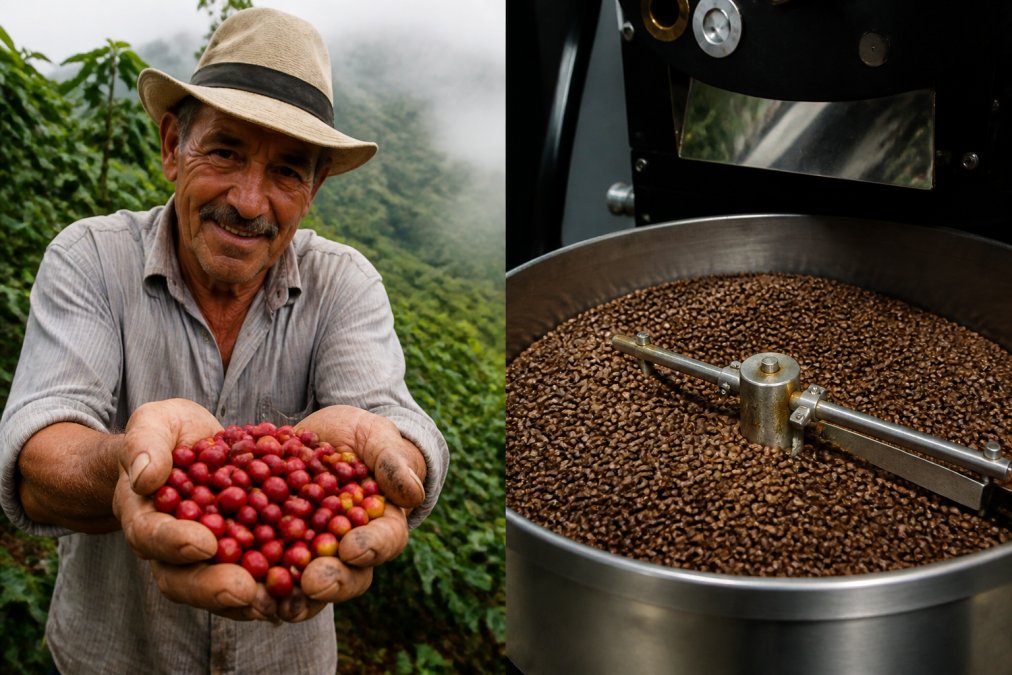
Micro-lot coffee is a small, isolated batch of green coffee harvested from a specific section of a farm, processed separately, and kept distinct through the entire supply chain to preserve its unique flavor characteristics. The defining features are traceability and intentionality: the producer isolates a particular varietal, elevation band, or processing method, then separates that harvest from the rest of the crop.
Micro-lots originate from farms within the coffee belt, where altitude, soil composition, and microclimate create terroir. A single farm might produce several micro-lots in one harvest season, each with a different flavor profile based on growing conditions and processing method.
Micro-lots almost always score 86 or above on the specialty coffee grading scale overseen by the Specialty Coffee Association grading protocols, justifying the batch separation and premium pricing.
What Makes Commercial Coffee Commercial?
Commercial grade coffee is sourced for volume, consistency, and cost efficiency. Beans from multiple farms, regions, and sometimes multiple countries are blended together to hit a predictable flavor target at commodity market price. The goal is a cup that tastes the same every time, regardless of harvest year or growing conditions. Traceability ends at the importer level, if it exists at all.
Side-by-Side Comparison: Micro-Lot vs Commercial Coffee
| Feature | Micro-Lot Coffee | Commercial Coffee |
|---|---|---|
| Batch size | Small, isolated harvest | Large blended volumes |
| Traceability | Farm, region, varietal, altitude | Importer or country only |
| Cupping score | 86+ (specialty grade) | Below 80 (commodity grade) |
| Processing method | Controlled: natural, washed, honey | Mixed, standardized |
| Roast profile | Tailored to the lot | Consistent formula |
| Flavor profile | Complex, terroir-driven | Predictable, neutral |
| Supply chain | Direct trade or close to it | Multi-tier commodity chain |
| Price | Higher per bag | Lower per unit |
| Freshness window | Shorter, more precise | Longer shelf stability |
| Best for | Sensory exploration, gifting | Daily volume consumption |
The most important distinction is intent. Micro-lots are produced to express a specific place and moment in time. Commercial roasts are produced to disappear into the background.
Specialty Coffee Grading Standards and Why They Matter
Specialty coffee grading standards provide a common language connecting producers, roasters, and consumers across the supply chain.
Cupping Scores and Quality Control
A cupping score is the numerical result of a structured sensory evaluation performed by trained Q-graders, who assess aroma, acidity, body, flavor, aftertaste, balance, and uniformity. According to SCA's coffee grading methodology, a score of 80 or above qualifies as specialty grade. Micro-lots that earn premium pricing typically score between 86 and 92.
A high cupping score signals that the lot passed rigorous quality control at origin, defects were minimal, and flavor attributes are distinctive. Roasters use these scores to calibrate their roast profile, because a 90-point natural process Ethiopian coffee demands a different approach than an 87-point washed Kenyan. For consumers, the cupping score is a proxy for intentionality and discipline throughout the supply chain.
Flavor Profiles: What Micro-Lot Coffee Actually Tastes Like
Commercial roasts are engineered for balance and inoffensiveness. Micro-lots are engineered for character.
How Terroir, Elevation, and Processing Shape the Cup
Farm elevation is one of the strongest predictors of flavor complexity in specialty coffee. Higher altitude means slower cherry development, denser beans, and higher concentrations of sugars and organic acids, translating to brighter acidity, more developed aroma, and longer finish in the cup.
The Cafe de Mattier Kenya, sourced from Othaya in Nyeri County at 1,700-1,890 meters, fully washed and dried on raised beds, delivers bright acidity, orange, lemon, floral, and effervescent notes. None of that complexity is possible at lower elevations with mixed-origin blending.
Processing method amplifies terroir. A natural process coffee, where cherries dry whole with the fruit intact, produces fruit-forward, wine-like notes with heavier body. The Ethiopia Natural from smallholder farmers in the Sidama zone at 1,700-1,900 meters delivers milk chocolate, fruity, and caramel notes. Washed coffees strip the fruit before drying, producing cleaner, brighter cups with more defined acidity and lighter body.

Single Origin vs Micro-Lot vs Blends
Single origin means the coffee comes from one country or region, a broad category including both specialty and commercial grades.
Micro-lot is a subset of single origin: a specific, isolated batch from a defined section of a single farm, with full traceability to varietal, altitude, and processing method.
Blends combine beans from multiple origins to achieve a target flavor profile. The Cafe de Mattier Whiskey Barrel Aged starts with single-origin Guatemalan coffee, ages it 30 days in a Bourbon barrel, then roasts to order, producing something neither could achieve alone.

Micro-lot is the most specific designation and the hardest to fake.
The Real Benefits of Small-Batch Roasting
When a roaster works with a small batch, they can monitor and adjust the roast profile in real time, responding to the specific moisture content and density of that lot. Commercial roasters running large drums optimize for throughput, smoothing out individual lot characteristics rather than expressing them.
Small-batch roasting delivers:
- Roasting consistency: Tighter temperature control and more precise development time preserve volatile aromatic compounds that define floral and fruit notes.
- Freshness: Shorter time between roast and dispatch means coffee hasn't begun degrading as CO2 off-gasses and oxidation begins.
- Traceability integrity: Lot separation is maintained from green coffee intake through roasting, bagging, and shipping.
- Flavor expression: Slow-roast production develops complexity and silk-like body without scorching delicate compounds.
How to Brew Micro-Lot Coffee for the Best Results
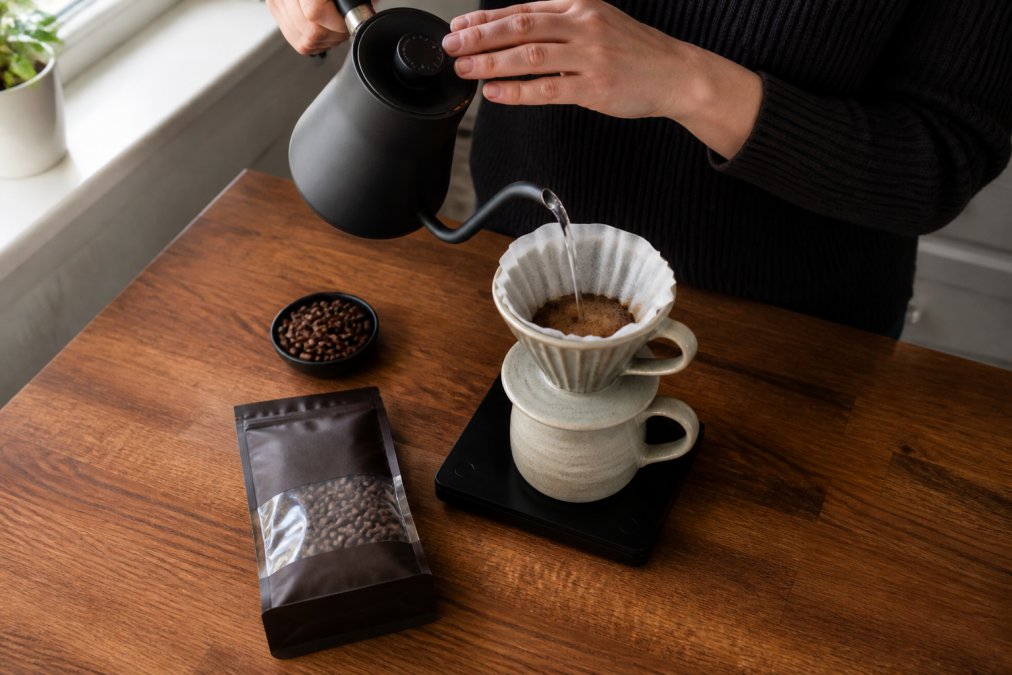
Micro-lot coffee rewards precision. The most common mistake is treating a delicate, high-elevation natural process coffee the same way you'd brew a commercial dark roast. Micro-lots are typically roasted lighter to preserve origin character, requiring slightly different parameters.
Brew method recommendations by roast level:
- Medium-light (e.g., Ethiopia Natural, Kenya): Pour-over or Chemex. Water temperature 200-205°F. Grind slightly finer than medium roast. Brew ratio 1:15 to 1:16 (coffee to water by weight).
- Medium (standard specialty range): AeroPress or V60. Water temperature 195-200°F. Standard medium-coarse grind.
- Barrel-aged or flavored lots: French press or drip. These lots have more body and handle coarser grinds well.
Use a digital scale. Volumetric measurements introduce too much variability.
Storage and Freshness: How Long Micro-Lot Beans Stay at Their Peak
Micro-lot coffee has a shorter optimal window than commercial roasts. The volatile compounds creating complex aroma and flavor degrade first after roasting.
Freshness guidelines for specialty coffee:
- Days 3-14 post-roast: CO2 off-gassing is active. Coffee is often "too fresh," particularly for espresso.
- Days 14-35 post-roast: Peak flavor window. Aroma is fully developed, acidity is bright, body is at its best.
- Days 35-60 post-roast: Still drinkable, but complexity diminishes noticeably.
Store beans in an airtight container away from light and heat. Do not refrigerate whole beans; condensation cycles damage cellular structure. Freeze only for storage beyond 60 days, in single-use portions.
According to guidance on coffee storage and freshness from the National Coffee Association, proper storage conditions extend peak flavor retention significantly for specialty-grade beans.
Pricing and Value: What You're Paying Extra For
The price gap between micro-lot and commercial coffee reflects real costs. Commercial coffee trades near commodity market prices, which fluctuate based on global supply and demand. The ICO coffee market reports on global pricing trends track how commodity-grade arabica prices are set at the exchange level, with little connection to individual farm quality.
Micro-lot pricing reflects compensation above commodity price for batch separation, selective harvesting, and careful processing. The roaster pays more per kilogram for high-cupping-score green coffee. Logistics are more complex to maintain lot integrity. Small-batch roasting is more labor-intensive per unit than high-volume production.
At Cafe de Mattier, all single-origin and specialty offerings are priced at $23.99 per bag, covering sourcing from verifiable farms, slow-roast production preserving origin character, and small-batch freshness. If you're drinking coffee primarily for caffeine, the premium is hard to justify. If you're drinking coffee as a sensory experience and brew with enough attention to notice the difference, the value proposition is straightforward.
Which One Should You Choose?
Micro-lot coffee is the right choice if you want to taste where a coffee came from, brew with enough care to notice the difference, and value knowing the supply chain behind what's in your cup.
Commercial coffee is the right choice if consistency and volume matter more than complexity, your brewing setup doesn't allow for much precision, or you're buying for an office or large household where individual cup quality is secondary to reliability.
A practical decision framework:
| Your Situation | Recommended Choice |
|---|---|
| Daily ritual, attentive brewing | Micro-lot specialty |
| High-volume household or office | Commercial grade |
| Gift for a coffee enthusiast | Micro-lot single origin |
| Espresso with milk-based drinks | Micro-lot or quality blend |
| Just need morning caffeine | Commercial grade |
| Exploring flavor and origin | Micro-lot, natural or washed |
Many serious coffee drinkers keep a micro-lot for slow weekend mornings and a reliable commercial roast for rushed weekday brewing. The categories solve different problems.
If you're new to micro-lot coffee, start with a naturally processed single origin, the fruit-forward flavor profile is the most immediately perceptible shift from commercial coffee. The Ethiopia Natural from Cafe de Mattier, with its milk chocolate, fruity, and caramel profile, is a reliable entry point precisely because the flavor contrast is unmistakable.
Frequently Asked Questions
What defines a micro-lot coffee?
A micro-lot is a small, separately harvested and processed batch of green coffee from a specific section of a farm, or from a small group of producers. The batch is kept distinct throughout the supply chain, allowing full traceability back to the grower, the varietal, the altitude, and the processing method. Micro-lots typically score 85 or above on the Specialty Coffee Association's 100-point cupping scale, placing them firmly in specialty coffee territory rather than commodity grade.
Why is micro-lot coffee more expensive than commercial roasts?
The price reflects every step of the supply chain. Micro-lots require hand-sorting of coffee cherries, batch separation during processing, and strict quality control at origin. Roasters often pay a direct trade premium above market price to the producer. Small-batch roasting adds labor and time compared to high-volume commercial roasting. The result is a limited quantity of beans with a documented story and a verified cupping score, and that traceability costs more to produce than commodity coffee blended from anonymous sources.
Is micro-lot coffee always better than commercial coffee?
Not for every drinker or every occasion. Micro-lot coffee rewards attention: the delicate acidity, floral aroma, and nuanced flavor profile are most noticeable when brewed carefully with a pour-over or French press. If you want a consistent, strong espresso-based drink at speed, a well-crafted commercial blend can deliver reliability. The difference comes down to what you value: a repeatable, bold cup or a traceable, complex one that changes seasonally with each harvest.
How can you tell if a coffee is truly a micro-lot?
Genuine micro-lot coffee comes with specific origin information: the farm or cooperative name, the region, the altitude in meters, the varietal, and the processing method (natural, washed, or honey process). A cupping score from a certified Q Grader or the roaster's tasting notes should also be present. Vague labels like 'single origin blend' or 'artisan roast' without traceable details are signs of marketing language rather than a verified micro-lot with a documented supply chain.
What are the best brewing methods for micro-lot coffee?
Pour-over and French press methods highlight micro-lot coffee's complexity best, giving you control over water temperature, grind size, and brew time. Aim for water between 195°F and 205°F and a medium-fine grind for pour-over. For French press, a coarser grind and a four-minute steep preserves body and aroma. Avoid super-automatic machines that use preset temperatures, since micro-lot beans, especially light or medium-light roasts, benefit from the precision that manual brewing provides.
Choosing between micro-lot and commercial coffee comes down to what you want from the experience. If complexity, traceability, and origin character matter to you, the commercial supply chain simply cannot deliver them. Cafe de Mattier's small-batch, slow-roast approach, sourced from micro-lots and family-owned estates, is built specifically for drinkers who want that depth. Subscribe to our emails to stay current on new lot arrivals and freshness windows.
This article was written using GrandRanker