

Step-by-Step Guide to Brewing Fresh Coffee at Home
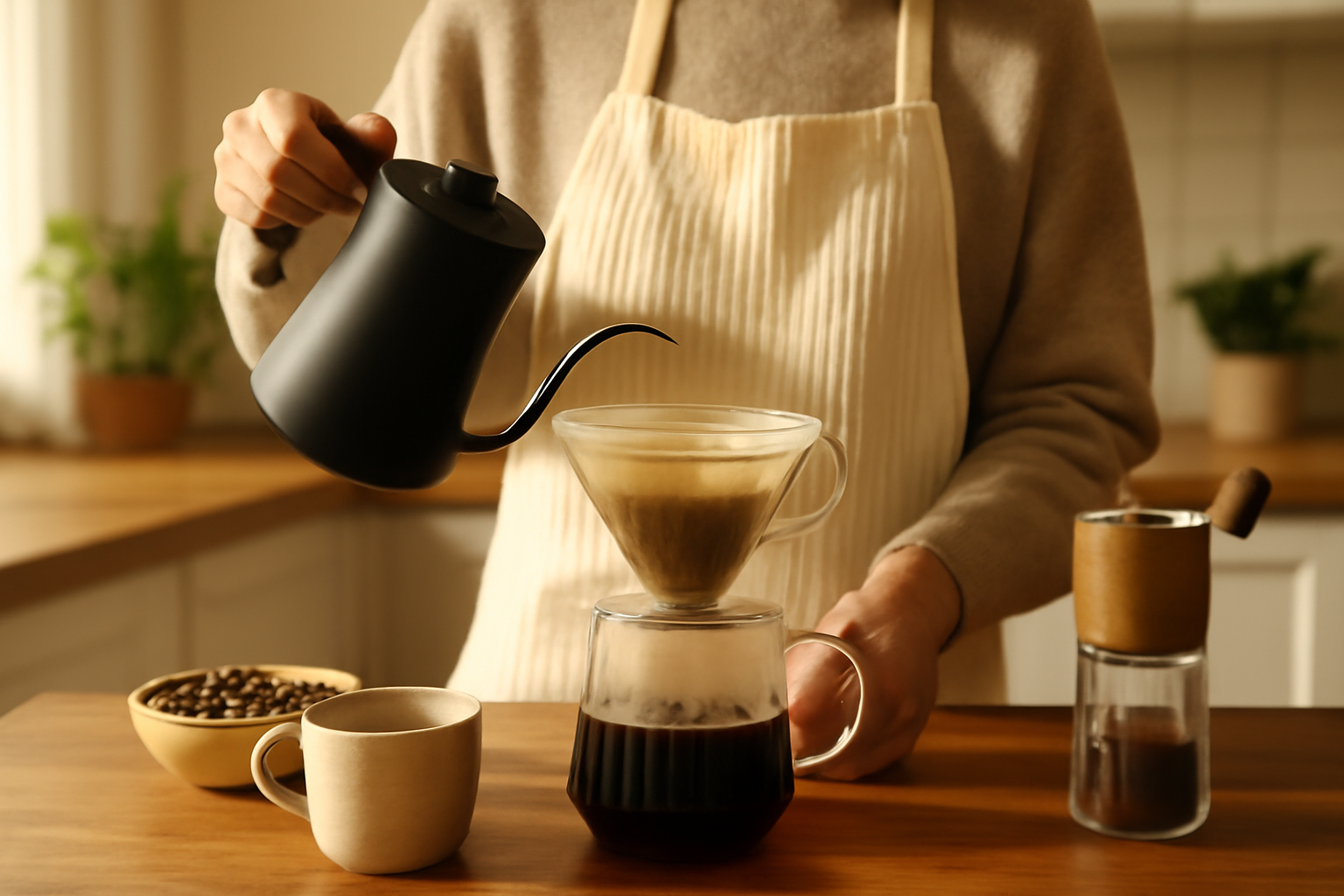
Brewing fresh coffee at home can transform your daily routine into a delightful experience. With the right tools and techniques, you can enjoy café-quality coffee without leaving your kitchen. This guide will walk you through the essential steps to perfect your brewing process. Cefe De Mattier coffee choices.
Whether you're a beginner or looking to refine your skills, understanding the fundamentals of coffee brewing can elevate your enjoyment and appreciation of this beloved beverage. Let's dive into the steps, tools, and common pitfalls to avoid when brewing fresh coffee at home. art of coffee brewing.
Table of Contents
Step 1: Gather Your Tools
Before you start brewing, it's essential to have the right tools on hand. Here's what you need: Discover the Joy of Fresh Coffee Delivered to Your Doorstep.
- Coffee Maker: Choose between options like a drip coffee maker, French press, pour-over, or espresso machine.
- Coffee Grinder: A burr grinder is recommended for uniform grind size, which impacts flavor.
- Coffee Beans: Opt for high-quality, freshly roasted beans to ensure the best flavor.
- Water: Use filtered water for the best taste, as the quality of water affects the final brew.
- Scale: A digital scale helps measure coffee and water accurately.
Step 2: Measure Your Coffee and Water
Getting the right coffee-to-water ratio is crucial for a balanced brew. A general guideline is:
- Use 1 to 2 tablespoons of coffee per 6 ounces of water, depending on your taste preference.
- For precision, consider using a scale: aim for 1 gram of coffee for every 15 to 18 grams of water.
Adjust these measurements based on your personal preference and the brewing method you choose.
Step 3: Choose Your Brewing Method
Each brewing method offers a different flavor profile and experience. Here are some popular methods:
Drip Coffee Maker
Convenient for making multiple cups at once. Just add ground coffee to the filter, fill the reservoir with water, and let the machine do its work.
French Press
This method allows for full immersion of coffee grounds, resulting in a rich flavor. Add coarsely ground coffee and hot water to the press, steep for 4 minutes, and then plunge.
Pour-Over
Offers control over the brewing process. Place a filter in the dripper, add coffee grounds, and slowly pour hot water over the coffee in a circular motion.
Espresso Machine
Perfect for those who enjoy strong coffee. Pack finely ground coffee into the portafilter, tamp it down, and let the machine extract a shot of espresso.
Step 4: Water Temperature and Brewing Time
Water temperature is key to extracting the right flavors from your coffee. The ideal temperature is between 195°F and 205°F (90°C to 96°C). Brewing at the right temperature helps to dissolve the coffee solubles effectively, resulting in a balanced flavor profile. Here's how long to brew based on your method:
- Drip Coffee: 5-7 minutes
- French Press: 4 minutes
- Pour-Over: 2-4 minutes
- Espresso: 25-30 seconds
Using a thermometer can help ensure you're in the right range for the best extraction. Here are some practical tips and common mistakes to avoid when managing water temperature and brewing time:
Practical Steps for Monitoring Water Temperature
- Use a Kitchen Thermometer: Invest in a reliable kitchen thermometer to check the water temperature before brewing. This ensures you're hitting the ideal range consistently.
- Boil and Cool: If you're boiling water, let it sit for about 30 seconds after boiling to reach the optimal brewing temperature. This cooling period is essential for avoiding over-extraction.
- Temperature Control Kettle: Consider using a temperature control kettle that allows you to set the exact temperature, ensuring precision with every brew.
Brewing Time Adjustments
While the times listed above are guidelines, you may need to adjust based on your taste preferences. Here's how to fine-tune your brewing time:
- Drip Coffee: If your coffee tastes weak, increase the brewing time by a minute or two. If it tastes bitter, reduce the time.
- French Press: Experiment with steeping longer than 4 minutes for a fuller flavor, but avoid going over 6 minutes to prevent bitterness.
- Pour-Over: A longer pour-over time can enhance flavor extraction. Try starting at 3 minutes and adjust based on your taste.
- Espresso: If your espresso is too sour, try a longer extraction time. For a bitter taste, shorten the brewing time slightly.
Common Mistakes to Avoid
- Not Preheating Equipment: Always preheat your brewing equipment, such as the French press or pour-over dripper, by rinsing it with hot water. This helps maintain the desired temperature during brewing.
- Ignoring Coffee Grind Size: The grind size affects extraction time. Finer grinds extract faster, while coarser grinds take longer. Adjust your grind size based on your brewing method and taste preferences.
- Using Water That's Too Hot: Water above 205°F can lead to over-extraction, resulting in bitter flavors. Always check your water temperature.
- Inconsistent Brewing Times: Stick to a timer for each brew to ensure consistency. Inconsistent brewing times can lead to varying flavor profiles, making it harder to achieve your perfect cup.
By paying attention to water temperature and brewing time, you can significantly enhance the quality of your coffee at home. Experiment with different methods and adjustments to find the perfect balance that suits your taste. Happy brewing!
Step 5: Serve and Enjoy
Once your coffee is brewed, it's time to serve it hot. Consider using pre-warmed mugs to maintain the temperature longer. You can enjoy it black or add milk, cream, or sugar based on your preference. Experiment with different ratios and additives to find your perfect cup.
Choosing the Right Mug
The choice of mug can enhance your coffee experience. Here are a few options to consider:
- Insulated Mugs: These keep your coffee hot for longer periods, ideal for slow sippers.
- Porcelain or Ceramic Mugs: These materials retain heat well and don't alter the flavor of your coffee.
- Glass Mugs: Great for showcasing the color and texture of your coffee, but they can cool down quickly.
Enhancing Your Coffee
While enjoying your coffee black is a great way to appreciate its natural flavors, there are numerous ways to enhance your cup:
- Milk and Cream: Whole milk, skim milk, or cream can add richness and texture. Start with a splash and adjust to taste.
- Sweeteners: Sugar, honey, or flavored syrups can sweeten your brew. Try different types to find what complements your coffee best.
- Spices: Adding a pinch of cinnamon, nutmeg, or even cocoa powder can create a unique flavor profile. Experiment with small amounts to gauge the effect.
Serving Techniques
How you serve your coffee can also affect the overall experience. Here are some techniques to consider:
- Pouring: Pour your coffee from a height to aerate it slightly, enhancing the aroma.
- Garnishing: Consider garnishing with a sprinkle of cocoa or a cinnamon stick for visual appeal and added flavor.
- Pairing: Serve your coffee with a light snack or dessert. Biscuits, pastries, or chocolate can complement the coffee's flavor.
Common Mistakes to Avoid
Here are some pitfalls to watch out for when serving your coffee:
- Serving Temperature: Coffee is best enjoyed between 130°F and 160°F. Serving it too hot can mask flavors, while too cold can make it taste stale.
- Overloading with Additives: While it's fun to experiment, adding too many flavors can overwhelm the coffee's natural taste. Start with one or two additions.
- Neglecting Freshness: Coffee can lose its flavor quickly after brewing. Aim to drink it within 30 minutes for the best taste.
Enjoying Your Coffee Experience
Finally, take a moment to appreciate your coffee. Savor the aroma, note the flavors, and enjoy the warmth of the mug in your hands. Consider keeping a coffee journal to document your brewing methods, flavor notes, and preferences. This practice can help refine your coffee-making skills and lead you to discover new favorites.
By following these steps, you can ensure that each cup of coffee you brew at home is a delightful experience, tailored to your taste. Enjoy the process, and don't hesitate to share your favorite combinations with friends and family!
Common Mistakes to Avoid
Even seasoned coffee brewers can make mistakes. Here are some common pitfalls to be aware of:
- Using Old Coffee Beans: Freshness matters. Store beans in an airtight container and use them within a few weeks of roasting.
- Incorrect Grind Size: Different brewing methods require different grind sizes. Adjust your grinder accordingly.
- Bad Water Quality: Poor quality water can ruin your brew. Always use filtered water.
- Ignoring Brewing Times: Over or under-extraction can lead to bitterness or weak flavor. Stick to recommended brewing times.
Simple Checklist for Brewing Fresh Coffee
Here's a quick checklist to ensure you have everything covered:
- Have the right tools? (Coffee maker, grinder, scale, etc.)
- Used fresh coffee beans?
- Measured your coffee and water accurately?
- Is your water at the right temperature?
- Followed the correct brewing time for your method?
1. Essential Brewing Tools
To brew the perfect cup of coffee, ensure you have the following tools:
- Coffee Maker: Choose from options like drip coffee makers, French presses, pour-over setups, or espresso machines.
- Coffee Grinder: A burr grinder is preferred for consistent grind size, which impacts flavor extraction.
- Scale: A digital scale will help you measure coffee and water accurately for consistency.
- Water Kettle: A kettle with temperature control is ideal for precise brewing temperatures.
- Thermometer: Useful for checking water temperature if your kettle doesn't have a built-in gauge.
- Timer: To track brewing time accurately for different methods.
2. Selecting Fresh Coffee Beans
Using fresh coffee beans is crucial for flavor. Here's how to ensure freshness:
- Buy Whole Beans: Purchase whole beans instead of pre-ground coffee to retain freshness.
- Check Roast Date: Look for coffee with a roast date within the last two weeks for optimal flavor.
- Store Properly: Keep beans in an airtight container in a cool, dark place to maintain freshness.
3. Measuring Coffee and Water
Accurate measurements are key to a balanced cup. Follow these guidelines:
- Coffee-to-Water Ratio: A common starting point is 1:15 (1 gram of coffee to 15 grams of water). Adjust based on taste preference.
- Use a Scale: Weigh your coffee and water for precision. For example, if you use 20 grams of coffee, use 300 grams of water.
4. Water Temperature
The temperature of the water significantly affects extraction. Here's what to aim for:
- Optimal Temperature: The ideal brewing temperature is between 195°F and 205°F (90°C to 96°C).
- Boiling Water: If boiling water, let it sit for 30 seconds after boiling to reach the desired temperature.
- Thermometer Use: Use a thermometer to check the water temperature if unsure.
5. Brewing Time
Different brewing methods require specific times for optimal extraction:
- French Press: Brew for 4 minutes.
- Pour-Over: Aim for 3-4 minutes, depending on the grind size.
- Drip Coffee Maker: Typically takes about 5 minutes.
- Espresso: Brew for 25-30 seconds.
Common Mistakes to Avoid
- Using Stale Beans: Always check the roast date and avoid using old beans.
- Incorrect Measurements: Don't eyeball measurements; use a scale for accuracy.
- Water Quality: Use filtered water to avoid off-flavors from tap water.
- Skipping Pre-Infusion: For pour-over methods, consider pre-wetting the coffee grounds to enhance flavor extraction.
By following this checklist and avoiding common pitfalls, you'll be well on your way to brewing a delicious cup of coffee at home. Enjoy experimenting with different beans and brewing methods to find your perfect brew!
Conclusion
Now that you know how to brew fresh coffee at home, it's time to put these steps into practice. Start with a preferred method, experiment with your measurements, and enjoy the rich flavors that come from brewing your own coffee. For a convenient option, consider the convenience of coffee delivery to try new blends and roasts without hassle. Say goodbye to basic coffee and elevate your home-brewed experience!