

Avoiding Common Mistakes in Brewing Coffee: A Practical Guide
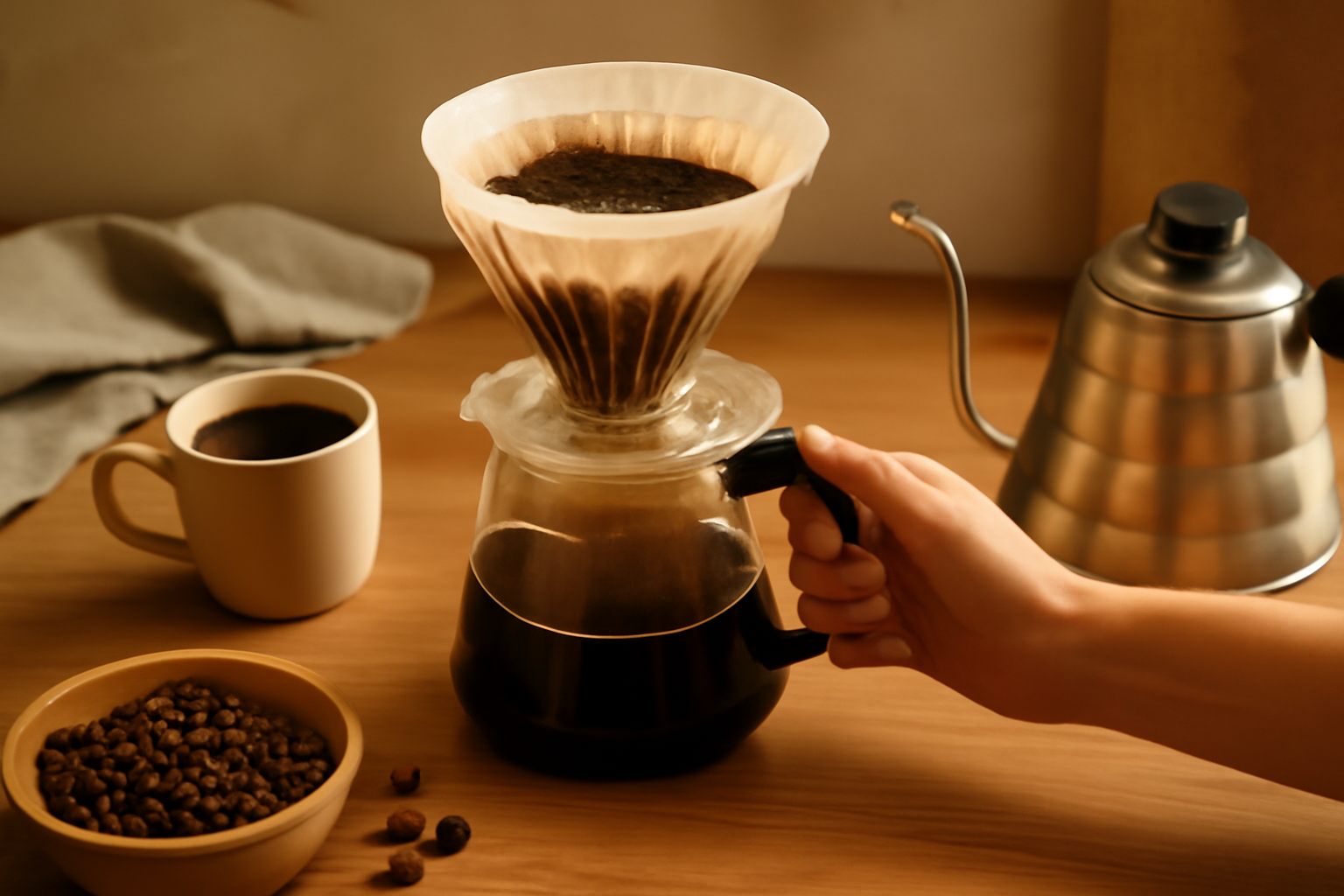
Brewing coffee at home can be a delightful experience, but many coffee lovers often find themselves frustrated by the results. From burnt flavors to weak brews, common mistakes can lead to disappointment. Understanding these pitfalls is the first step towards achieving that perfect cup.
This guide will help you identify frequent brewing errors, their root causes, and practical solutions to enhance your coffee experience. Whether you're a busy mom or a remote worker, mastering these brewing techniques can save you time and elevate your daily ritual.
Table of Contents
Common Mistakes in Brewing Coffee
Many factors can affect the quality of your coffee. Here are some of the most prevalent mistakes to watch for: The Comprehensive Guide to Coffee: Understanding Single Origin, Specialty, and More.
1. Using Old Coffee Beans
Freshness is key when it comes to coffee. Old or stale beans can lead to dull flavors and an overall lack of aroma. Always check the roast date on your coffee bag and opt for a coffee subscription service that provides freshly delivered coffee to your doorstep. coffee culture trends.
2. Incorrect Water Temperature
Water that is too hot can scorch the coffee grounds, while water that is too cool can under-extract the coffee. The ideal brewing temperature is between 195°F and 205°F. Investing in a good thermometer or a kettle with temperature control can help you achieve the perfect brew.
3. Poor Coffee Grind Size
The grind size of your coffee beans should match your brewing method. For instance, a coarse grind is ideal for French press, while a fine grind is better for espresso. Using the wrong grind can lead to over-extraction or under-extraction, resulting in bitter or weak coffee.
4. Not Measuring Coffee and Water Accurately
Improper measurements can lead to imbalanced flavors. As a general rule, use one to two tablespoons of coffee per six ounces of water. A kitchen scale can help you measure accurately, ensuring a consistent brew every time.
Quick Diagnosis
If your coffee consistently tastes off, ask yourself the following questions:
- Are you using fresh coffee beans?
- Is your water temperature correct?
- Are you using the right grind size for your brewing method?
- Are you measuring your coffee and water accurately?
Identifying the issues will help you troubleshoot and improve your brewing technique. Here's how to delve deeper into each question to ensure you're getting the best flavor from your coffee.
1. Are You Using Fresh Coffee Beans?
Freshness is crucial in coffee brewing. Coffee beans start to lose their flavor within days of roasting. Here's what you can do:
- Check the roast date: Always look for a roast date on the packaging. Ideally, you want to use beans that have been roasted within the last two weeks.
- Store your beans properly: Use an airtight container and keep them in a cool, dark place. Avoid the fridge, as moisture can affect the flavor.
- Buy in small batches: This ensures you consume your coffee while it's still fresh. Consider purchasing half-pound bags instead of one-pound bags.
2. Is Your Water Temperature Correct?
The temperature of the water you use can significantly impact the extraction process. Follow these recommendations:
- Ideal temperature range: The optimal brewing temperature is between 195°F and 205°F (90°C - 96°C). Water that is too hot can lead to over-extraction, making your coffee bitter, while water that is too cool can result in under-extraction, causing a sour taste.
- Use a thermometer: Invest in a kitchen thermometer to ensure your water is at the right temperature before brewing.
- Let boiling water sit: If you boil water, let it rest for about 30 seconds before using it to brew, allowing it to cool to the ideal range.
3. Are You Using the Right Grind Size for Your Brewing Method?
The grind size of your coffee can affect extraction time and flavor. Here's how to ensure you're using the right grind:
- Match grind size to brewing method: For example, use a coarse grind for French press, medium grind for drip coffee, and fine grind for espresso. Each method requires a different extraction time, which is influenced by the grind size.
- Invest in a good grinder: A burr grinder is recommended over a blade grinder for consistent grind size. This consistency helps achieve a balanced flavor in your coffee.
- Experiment and adjust: If your coffee tastes too bitter or too sour, try adjusting the grind size. A finer grind will extract flavors more quickly, while a coarser grind will slow down the extraction.
4. Are You Measuring Your Coffee and Water Accurately?
Accurate measurements can make a significant difference in the taste of your coffee. Consider these tips:
- Use a scale: Weigh your coffee beans and water for precision. A general guideline is to use a ratio of 1:15 (1 part coffee to 15 parts water) but adjust based on your taste preferences.
- Follow a consistent method: Whether you prefer a scoop or a scale, stick to the same method each time to ensure consistency in your brew.
- Record your ratios: Keep notes on the measurements and the resulting taste. This will help you refine your brewing process over time.
By systematically addressing these four key areas, you can quickly diagnose and correct common mistakes in your coffee brewing process, leading to a more enjoyable cup every time. Remember, coffee brewing is both an art and a science, so don't hesitate to experiment until you find your perfect brew.
Fix It Fast
Here are some quick fixes for common brewing mistakes:
1. Switch to Fresh Beans
Consider joining an organic coffee subscription that delivers freshly roasted beans to you regularly. This ensures you always have access to high-quality coffee.
2. Check Your Water Temperature
Use a thermometer to check the temperature of your water. If it's not in the ideal range, adjust your kettle accordingly.
3. Adjust Your Grind Size
Experiment with different grind sizes and brewing methods. If your coffee tastes bitter, try a coarser grind; if it's weak, go finer.
4. Measure with Precision
Invest in a digital scale for accurate measurements. This small tool can make a big difference in the consistency of your coffee.
Understanding the Root Causes of Coffee Mistakes
Recognizing the underlying reasons for common coffee mistakes can further enhance your brewing skills. Here are some root causes:
1. Lack of Knowledge
Many coffee enthusiasts start brewing without understanding the basics, leading to frequent mistakes. Take the time to learn about different brewing techniques and the science behind coffee extraction.
2. Inconsistent Practices
Inconsistency in your brewing routine can yield varying results. Establish a brewing ritual that you can replicate each time, from measuring to timing.
3. Ignoring Equipment Maintenance
Dirty equipment can ruin the taste of your coffee. Regularly clean your coffee maker, grinder, and other tools to ensure optimal performance and taste.
The Benefits of Improving Your Brewing Technique
Enhancing your coffee brewing skills offers numerous benefits:
- Enjoying rich, flavorful coffee made to your taste.
- Saving money by avoiding overpriced coffee shop visits.
- Impressing friends and family with your newfound expertise.
With the right approach, you can transform your coffee routine into a daily pleasure rather than a chore.
1. Tailoring Coffee to Your Preferences
One of the most significant advantages of honing your brewing technique is the ability to customize your coffee to suit your personal taste. Here are some steps to achieve this:
- Experiment with Coffee Beans: Try different types of beans, such as Arabica or Robusta, and explore various roasts (light, medium, dark). Each type offers distinct flavor profiles.
- Adjust Your Grind Size: The grind size can drastically affect the extraction process. For instance, a coarser grind is ideal for French press, while a finer grind works better for espresso. Use a burr grinder for consistency.
- Control Water Temperature: The ideal water temperature for brewing coffee is between 195°F to 205°F. Too hot can scorch the coffee, while too cold can under-extract flavors. Use a thermometer for accuracy.
- Experiment with Brew Time: The brewing time varies by method. For example, a French press typically brews for 4 minutes, while espresso takes about 25-30 seconds. Adjusting this can enhance or mute flavors.
2. Cost-Effectiveness
By improving your brewing technique, you can significantly reduce your coffee expenses. Here are a few tips to maximize your savings:
- Buy Quality Beans in Bulk: Purchasing high-quality, whole bean coffee in bulk can save you money in the long run. Look for local roasters or online retailers that offer discounts for larger quantities.
- Invest in Equipment: While there may be an initial investment in quality brewing equipment (like a French press, pour-over, or espresso machine), these tools can provide better results than cheaper alternatives and save you money over time.
- Make It a Habit: Brew your coffee at home regularly instead of relying on expensive coffee shop visits. Set a daily routine that includes brewing your favorite coffee to enjoy at home.
3. Impressing Friends and Family
When you improve your coffee brewing skills, you can become the go-to barista among your friends and family. Here's how to showcase your expertise:
- Host Coffee Tasting Events: Invite friends over for a coffee tasting session where you brew different types of coffee. Share your knowledge about each bean's origin and flavor notes.
- Offer Personalized Brews: Ask your guests about their coffee preferences and brew their drinks accordingly. This personal touch can create a memorable experience.
- Share Your Knowledge: Educate your friends and family on the brewing process, including tips on grind size, water temperature, and extraction time. This not only impresses them but also fosters a love for coffee.
4. Transforming Your Daily Routine
Improving your brewing technique can turn your coffee-making experience into a mindful ritual. Here's how to enhance this aspect:
- Set Aside Time: Dedicate a specific time each day for your coffee brewing ritual. This can become a moment of peace and reflection amidst a busy schedule.
- Incorporate Mindfulness: Focus on the sensory aspects of brewing coffee. Pay attention to the aroma, the sound of the brewing process, and the visual appeal of your coffee.
- Create a Comfortable Brewing Space: Designate a cozy spot in your kitchen or home where you can enjoy the brewing process. Consider adding personal touches like your favorite mug or a small plant.
By investing the time to improve your coffee brewing technique, you not only enjoy better coffee but also enhance your overall coffee experience. Whether it's through tailoring flavors, saving money, impressing others, or transforming your daily routine, the benefits are substantial and rewarding.
Conclusion: Take One Actionable Step Today
To improve your coffee brewing experience, start by evaluating the freshness of your coffee beans. Consider signing up for a coffee subscription box that offers a premium coffee selection tailored to your taste. This simple step can elevate your daily coffee ritual and ensure you always have access to the best flavors available.
Here are some actionable steps to help you get started:
1. Assess Your Current Coffee Supply
Before diving into a subscription, take stock of what you currently have. Check the roast dates on your coffee bags. If your coffee is older than a month, it may not provide the best flavor. Discard any stale beans and make a note of your favorite types of coffee.
2. Research Subscription Services
Look for coffee subscription services that offer:
- Freshness: Ensure they roast and ship coffee within days of your order.
- Variety: Choose a service that provides different blends and origins to explore new flavors.
- Customization: Opt for subscriptions that allow you to specify your flavor preferences, roast levels, and delivery frequency.
3. Start with a Trial Box
Many coffee subscription services offer trial boxes. This is a great way to sample various coffees without committing long-term. Use this opportunity to taste and evaluate what you like best. Take notes on each coffee's flavor profile, aroma, and how well it brews.
4. Experiment with Brewing Methods
As you receive new coffees, experiment with different brewing methods to find what brings out the best flavors. Here are a few methods to consider:
- Pour Over: This method allows for precise control over water temperature and brewing time.
- French Press: Great for full-bodied flavors, this method extracts oils and flavors effectively.
- Cold Brew: A smooth and less acidic option, perfect for warmer days.
Document your results to refine your process and preferences over time.
5. Store Your Coffee Properly
To maintain freshness, store your coffee in an airtight container in a cool, dark place. Avoid keeping it in the fridge or freezer, as moisture can affect the flavor. Consider investing in a vacuum-sealed container for optimal preservation.
6. Stay Consistent
Once you find a coffee subscription and brewing method you love, try to maintain consistency. Set a schedule for when you'll brew your coffee each day, making it a cherished part of your routine. Consistency will help you enjoy the full benefits of your premium coffee.
By taking these steps, you can significantly enhance your coffee experience, ensuring each cup is as delightful as possible. Remember, the journey to perfect coffee brewing is ongoing, and every cup presents an opportunity to learn and enjoy.