

Understanding Why Single Origin Coffee Tastes Different
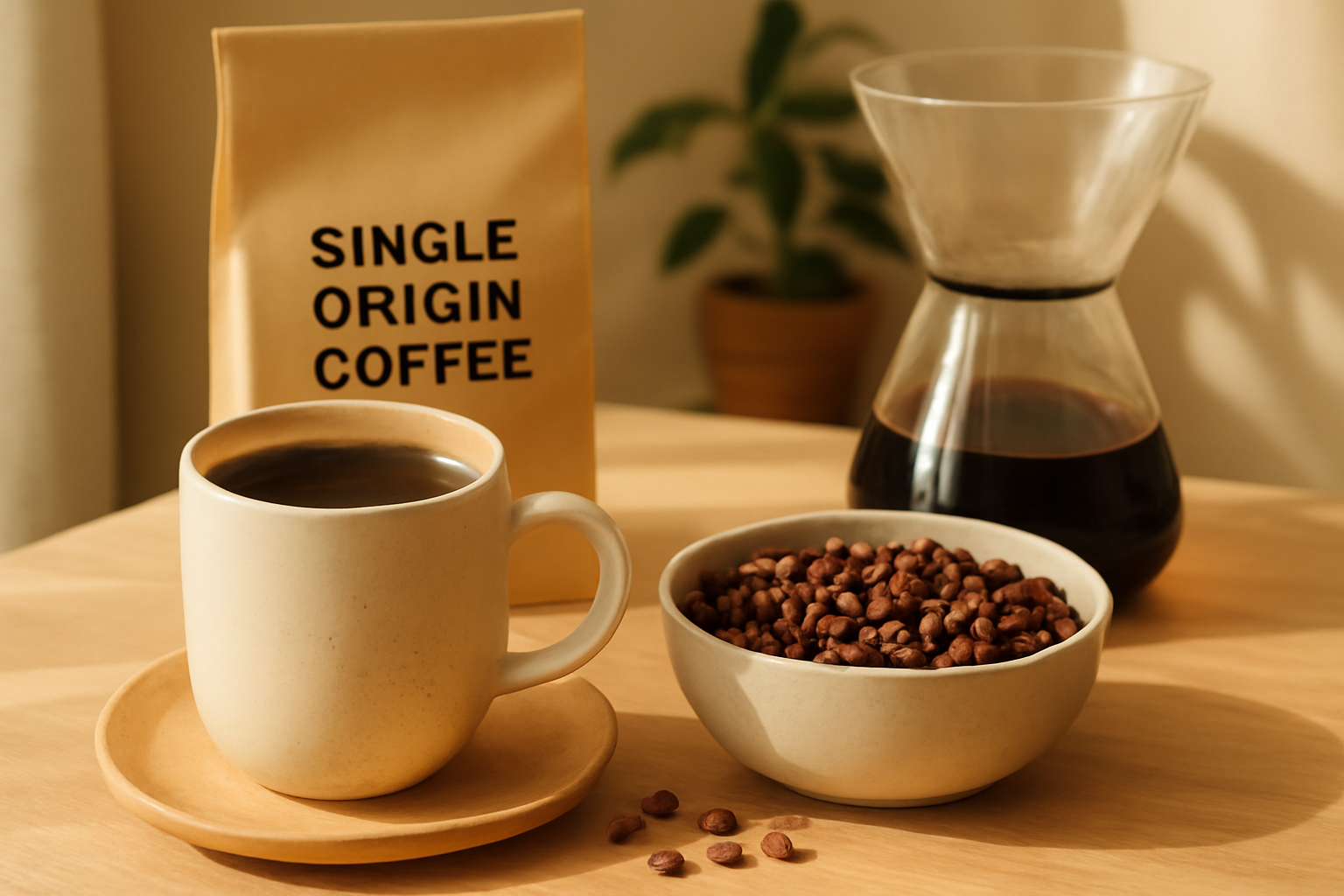
Single origin coffee has gained immense popularity among coffee enthusiasts, but it can also be a source of confusion. If you've ever noticed that single origin coffee tastes remarkably different from your usual blends, you're not alone. This unique flavor profile can lead to both curiosity and frustration, especially for those looking to enhance their coffee journey.
In this blog post, we will explore the reasons behind the distinct taste of single origin coffee, identify common issues people face when selecting or brewing it, and provide practical solutions to ensure you enjoy a premium quality coffee experience every time.
Table of Contents
- Quick Diagnosis: Symptoms of Flavor Confusion
- Root Causes of Flavor Differences
- Common Mistakes When Brewing Single Origin Coffee
- Fix It Fast: Quick Solutions for Better Single Origin Coffee
- Exploring Coffee Varieties: Making Informed Choices
- Conclusion: Your Next Step Towards Quality Coffee Experience
Quick Diagnosis: Symptoms of Flavor Confusion
Many coffee drinkers experience a puzzling array of flavors when trying single origin coffees. Here are some common symptoms to help you assess your coffee experience: The Comprehensive Guide to Coffee: Understanding Single Origin, Specialty, and More.
- Overly Bitter or Sour Taste: This can indicate problems with the brewing method or coffee freshness.
- Unbalanced Flavors: If the coffee lacks harmony, it could stem from improper grinding or brewing time.
- Weak Aroma: A lack of aroma can be a sign of stale beans or incorrect brewing temperature.
Root Causes of Flavor Differences
Understanding the root causes of why single origin coffee tastes different can empower you to improve your coffee enjoyment: coffee and productivity.
1. Terroir and Growing Conditions
Single origin coffees are sourced from a specific region, and the unique terroir-soil, climate, and altitude-greatly influences their flavor. For example, Ethiopian coffees are often fruity and floral, while Colombian coffees may present a more balanced profile with nutty undertones.
2. Processing Methods
The method used to process coffee beans post-harvest also affects taste. Natural processing can lead to fruitier flavors, while washed processing often results in cleaner, brighter coffees. Each method highlights different flavor notes, contributing to the overall uniqueness of single origin coffees.
3. Roast Profile
The roast level can significantly change the flavor experience. Light roasts tend to highlight the coffee's inherent flavors, while dark roasts can obscure them with bold, roasted notes. When selecting single origin coffee, pay attention to the roast level to ensure it aligns with your taste preferences.
Common Mistakes When Brewing Single Origin Coffee
Even with the best beans, improper brewing can lead to disappointing results. Here are some common mistakes to avoid:
1. Incorrect Grind Size
Using the wrong grind size can spoil the flavor extraction. For example, a fine grind is necessary for espresso, while a coarser grind is recommended for a French press. Always match your grind size to your brewing method to achieve the best results.
2. Water Temperature
Brewing coffee with water that is too hot can extract undesirable bitter flavors, while water that is too cool may under-extract, leaving the coffee flat. Aim for a water temperature between 195°F and 205°F for optimal extraction.
3. Brewing Time
Each brewing method has an ideal steeping time. For instance, a pour-over may require 3-4 minutes, while a French press typically takes about 4 minutes. Following these guidelines helps ensure balanced flavor extraction.
Fix It Fast: Quick Solutions for Better Single Origin Coffee
If you've experienced flavor issues with single origin coffee, here are some quick fixes to elevate your experience:
- Experiment with Grind Size: Adjust the grind size based on your brewing method to enhance flavor extraction. For instance, use a coarse grind for French press, a medium grind for drip coffee, and a fine grind for espresso. Remember that too fine a grind can lead to over-extraction and bitterness, while too coarse can result in under-extraction and weak flavors. A good rule of thumb is to start with the recommended grind size for your brewing method and adjust in small increments until you find the perfect balance.
- Monitor Water Temperature: Use a thermometer to ensure your water is within the ideal range for brewing, typically between 195°F and 205°F (90°C to 96°C). If your water is too hot, it can scorch the coffee, leading to bitter flavors. If it's too cool, it may not extract the full range of flavors, resulting in a flat taste. A practical tip is to boil water and let it sit for about 30 seconds before pouring it over your coffee grounds to achieve the right temperature.
- Follow Brewing Times: Use a timer to stick to recommended brewing times for your chosen method. For example, aim for a brewing time of about 4 minutes for a French press, 3-4 minutes for pour-over, and 25-30 seconds for espresso. Over-brewing can lead to bitterness, while under-brewing may leave your coffee weak and lacking depth. Consider creating a checklist for each brewing method, noting the ideal grind size, water temperature, and brewing time to streamline your process.
Additional Quick Tips
- Use Fresh Coffee Beans: Always opt for freshly roasted beans, ideally within two weeks of roasting. Stale beans lose their flavor and aroma. Invest in a good quality coffee storage container to keep your beans fresh for longer.
- Adjust Coffee-to-Water Ratio: Experiment with the coffee-to-water ratio to find what suits your taste. A common starting point is 1:15 (1 gram of coffee for every 15 grams of water). Adjusting this ratio can significantly impact the strength and flavor profile of your coffee.
- Clean Your Equipment: Regularly clean your coffee maker, grinder, and other brewing equipment. Residue from old coffee can impart unpleasant flavors to your brew. A simple mixture of equal parts vinegar and water can be used to clean your equipment effectively.
- Consider Water Quality: The quality of water you use can greatly affect the taste of your coffee. Use filtered or bottled water if your tap water has a strong taste or odor. Hard water can also lead to scale buildup in your equipment, affecting performance and flavor.
By implementing these quick fixes, you can significantly improve your single origin coffee experience, allowing the unique flavors and aromas of each origin to shine through. Experimentation is key, so don't hesitate to make adjustments until you find the perfect cup that suits your palate.
Exploring Coffee Varieties: Making Informed Choices
When selecting single origin coffee, it's essential to consider the variety and its origin. Different coffee varieties exhibit different flavor profiles, and understanding these can enhance your brewing experience. Look for a coffee subscription box that allows you to try various origins and processing methods to discover your favorites.
To make informed choices when selecting single origin coffee, follow these steps:
1. Understand Coffee Varieties
Coffee beans are primarily categorized into two species: Arabica and Robusta. Arabica beans tend to have a sweeter, more complex flavor profile, while Robusta beans are often stronger and more bitter. Within these species, there are numerous varieties, each with unique taste characteristics influenced by factors such as climate, soil, and altitude.
- Arabica Varieties: Popular varieties include Bourbon, Typica, and Geisha. Bourbon is known for its rich sweetness and smooth body, while Typica offers a balanced flavor with hints of fruit and floral notes. Geisha, often regarded as one of the finest coffees, presents vibrant acidity and complex flavors.
- Robusta Varieties: Common varieties include Conilon and Canephora. These beans are often used in espresso blends for their creamy texture and strong crema, providing a bold coffee experience.
2. Research Origin Regions
The origin of the coffee can significantly impact its flavor profile. Different regions produce beans with distinct characteristics due to variations in climate, altitude, and processing methods. Here are some notable coffee-producing regions:
- Ethiopia: Known as the birthplace of coffee, Ethiopian coffees often have floral and fruity notes, with a bright acidity.
- Colombia: Colombian coffee is typically well-balanced, with a medium body and mild flavor, often featuring nutty or caramel undertones.
- Brazil: Brazilian coffees are generally smooth and chocolatey, with low acidity, making them a popular choice for espresso blends.
- Sumatra: Sumatran coffees are known for their earthy, full-bodied flavors, with low acidity and herbal notes.
3. Explore Processing Methods
The way coffee beans are processed after harvest can influence their final flavor. Familiarize yourself with these common processing methods:
- Washed (Wet) Process: This method involves removing the coffee cherry's outer fruit before fermentation. It typically results in a cleaner, brighter flavor profile, highlighting the bean's intrinsic qualities.
- Natural (Dry) Process: In this process, the cherries are dried in the sun before the beans are extracted. This method often imparts fruity and wine-like flavors to the coffee.
- Honey Process: A hybrid method where some of the cherry's mucilage is left on the bean during drying. This can create a sweet and complex flavor profile, balancing the brightness of the washed process with the fruitiness of the natural process.
4. Sample and Compare
To truly appreciate the differences in flavor profiles, consider participating in coffee tastings or cuppings. This hands-on experience allows you to sample various coffees side by side and identify your preferences. When tasting:
- Take note of the aroma, acidity, body, and aftertaste.
- Use a tasting wheel to help identify specific flavors and aromas.
- Record your impressions to help narrow down your favorites for future purchases.
5. Avoid Common Mistakes
When exploring single origin coffee, be mindful of these common mistakes:
- Ignoring Freshness: Coffee is best enjoyed fresh. Always check the roast date and aim to consume your coffee within a few weeks of roasting.
- Overlooking Grind Size: Different brewing methods require different grind sizes. Ensure you are using the correct grind for your brewing method to optimize flavor extraction.
- Neglecting Water Quality: The quality of water used in brewing can impact the taste of your coffee. Use filtered water to avoid unwanted flavors.
By understanding the various coffee varieties, their origins, and processing methods, you can make informed choices that enhance your coffee experience. Embrace the journey of exploring single origin coffee, and don't hesitate to try new flavors and profiles. With a coffee subscription box, you can conveniently discover new favorites from the comfort of your home, ensuring that your coffee moments are always exceptional.
Conclusion: Your Next Step Towards Quality Coffee Experience
To truly appreciate the flavors of single origin coffee, take the time to experiment with different brewing techniques and methods. By understanding the causes of flavor differences and avoiding common mistakes, you'll be well on your way to enjoying a richer, more satisfying coffee experience. Start by selecting a new single origin coffee and apply the tips shared in this post for a delightful cup.
Practical Steps to Enhance Your Coffee Experience
- Choose Your Coffee: Begin by selecting a single origin coffee that piques your interest. Look for beans from different regions such as Ethiopia, Colombia, or Guatemala, as each offers distinct flavor profiles. Consider trying a sampler pack to explore various options.
- Understand the Flavor Notes: Research the flavor notes associated with your chosen coffee. For instance, Ethiopian coffees are often fruity and floral, while Colombian coffees may have a nutty or caramel flavor. Familiarizing yourself with these notes will help you appreciate the nuances in taste.
- Experiment with Brewing Methods: Try different brewing methods such as pour-over, French press, or Aeropress. Each method extracts flavors differently, impacting your overall experience. For example, a pour-over can highlight the coffee's acidity, while a French press offers a fuller body.
- Adjust Your Grind Size: The grind size of your coffee beans can significantly affect extraction. For a French press, use a coarse grind, while a finer grind is better for espresso. Experimenting with grind size can lead to discovering the optimal flavor profile for your taste.
- Mind Your Water Quality: Use filtered water for brewing, as tap water can contain minerals and chlorine that alter the coffee's flavor. The ideal water temperature for brewing coffee is between 195°F and 205°F. Use a thermometer to ensure accuracy.
- Take Notes: Keep a coffee journal where you record the type of coffee, brewing method, grind size, and your tasting notes. This practice will help you identify what works best for you and refine your brewing skills over time.
Common Mistakes to Avoid
- Using Stale Coffee: Freshness is key to enjoying single origin coffee. Always check the roast date and aim to use your coffee within a few weeks of roasting for the best flavor.
- Over or Under Brewing: Pay attention to brewing times. Over-brewing can lead to bitterness, while under-brewing may result in a weak cup. Follow recommended brewing times for each method to achieve balance.
- Ignoring the Coffee-to-Water Ratio: The standard ratio is about 1:15 or 1:16 (coffee to water). Adjusting this ratio can drastically change the strength and flavor of your coffee.
- Neglecting Equipment Maintenance: Regularly clean your coffee maker and tools to prevent old coffee oils from affecting the taste of your brew. A clean setup ensures that every cup is fresh and flavorful.
Final Thoughts
As you embark on your journey with single origin coffee, remember that tasting and brewing is a personal experience. Embrace the exploration of flavors, techniques, and methods. With each cup, you will gain insights into your preferences and develop a deeper appreciation for the art of coffee brewing. Start today and transform your coffee routine into a delightful ritual that enhances your daily life.