

How to Fix Weak Coffee Flavor Issues
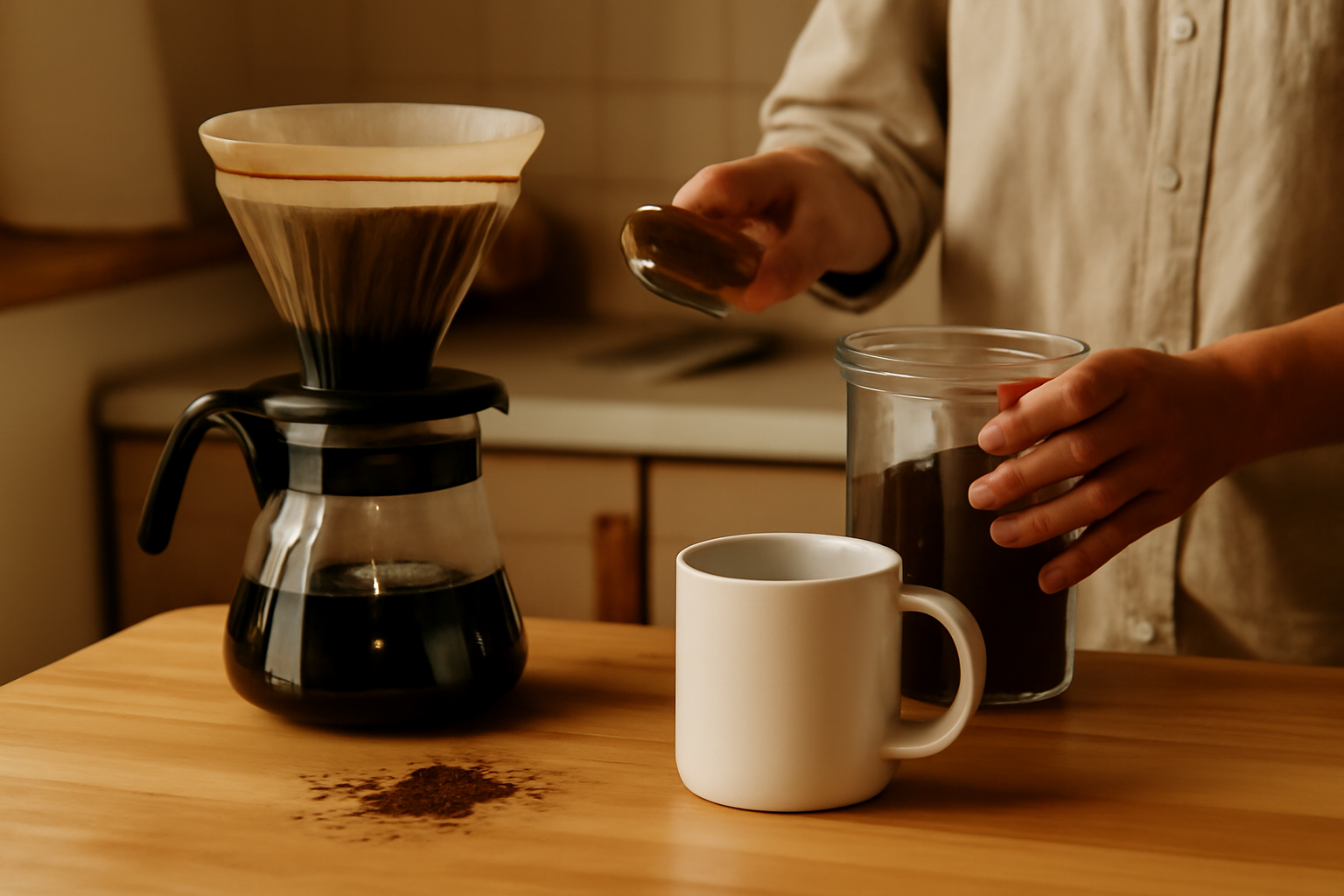
Weak coffee flavor can be a frustrating experience, especially when you expect the rich, bold taste that comes from high-quality beans. Many coffee lovers find themselves facing this issue, often without realizing the underlying causes. Whether you're brewing at home or using a coffee subscription box, understanding how to achieve the perfect cup is essential.
This guide will explore the symptoms of weak coffee, identify common root causes, and provide practical solutions for improving your brew. With a few adjustments, you can transform your coffee experience into one that is full of flavor and satisfaction.
Table of Contents
Identifying Symptoms of Weak Coffee Flavor
Before diving into solutions, it's important to recognize the signs that indicate your coffee may be lacking in flavor. Here are some common symptoms: The Comprehensive Guide to Coffee: Understanding Single Origin, Specialty, and More.
1. Watery Consistency
If your coffee appears thin or watery, it often indicates insufficient coffee grounds or improper brewing methods. This can occur when the coffee-to-water ratio is off. A general guideline is to use 1 to 2 tablespoons of coffee for every 6 ounces of water. If you find your coffee consistently watery, consider adjusting this ratio. Additionally, using a finer grind can help extract more flavor from the coffee grounds, enhancing the body of your brew. choosing coffee beans.
2. Lack of Aroma
A strong coffee should have a rich aroma. If you can't smell your coffee or it has a faint scent, it might be a sign of stale beans or weak extraction. Freshness is key; coffee beans are best used within two weeks of roasting. Store your beans in an airtight container away from light and moisture to maintain their aromatic qualities. If you notice a lack of aroma, try smelling the beans before brewing. If they don't have a strong scent, it may be time to invest in a new batch of high-quality beans.
3. Dull Taste
Weak coffee often lacks depth and character, leaving you with a flat taste that doesn't satisfy your palate. You may find it tastes overly acidic or just bland. To combat this, consider the following steps:
- Experiment with Brewing Time: If you're using a drip coffee maker, ensure you're not brewing for too short a time. A typical brew time should be around 4 to 5 minutes for optimal extraction.
- Check Your Water Temperature: Water that is too cold can lead to under-extraction, resulting in dull flavors. Aim for a brewing temperature between 195°F and 205°F.
- Try Different Brewing Methods: Different brewing methods can yield different flavor profiles. If you're used to drip coffee, try a French press or pour-over method to see if you notice a difference in taste.
Common mistakes that contribute to weak coffee include using old or improperly stored beans, not measuring coffee grounds accurately, and brewing with water that is not at the right temperature. By being aware of these symptoms and making adjustments, you can significantly enhance the flavor of your coffee.
Common Causes of Weak Coffee Flavor
Understanding what leads to weak coffee can help you avoid these pitfalls. Here are some common issues to consider:
1. Incorrect Coffee-to-Water Ratio
The ratio of coffee to water is crucial in brewing. Too much water can dilute your coffee, leading to a weak flavor.
2. Poor Quality Coffee Beans
Using low-quality or stale coffee can significantly affect the taste. Freshness is key when it comes to flavor, so always opt for fresh coffee alternatives.
3. Improper Brewing Method
Each brewing method requires different techniques and times. If you're not following the guidelines for your chosen brewing method, it can lead to weak coffee.
4. Water Temperature Issues
Water that's too cold may not extract the flavors properly, while water that's too hot can burn the coffee. The ideal brewing temperature is typically between 195°F and 205°F.
Quick Diagnosis
If you're experiencing weak coffee flavor, here's a simple checklist to diagnose the issue:
- Check your coffee-to-water ratio. Are you using enough coffee grounds?
- Examine the freshness of your coffee beans. Are they past their expiration date?
- Assess your brewing method. Are you following the recommended times and techniques?
- Measure the water temperature. Is it within the ideal range?
To help you further in identifying the root cause of weak coffee flavor, let's delve deeper into each point on the checklist.
Coffee-to-Water Ratio
The coffee-to-water ratio is crucial for achieving a balanced flavor. A general guideline is to use 1 to 2 tablespoons of coffee grounds per 6 ounces of water. However, preferences can vary:
- For a stronger brew: Increase the amount of coffee to 2 tablespoons per 6 ounces.
- For a milder taste: Reduce it to 1 tablespoon per 6 ounces.
To ensure accuracy, consider using a kitchen scale. A standard ratio is about 1:15 coffee to water, meaning for every gram of coffee, use 15 grams of water. This precision can significantly enhance your coffee's flavor profile.
Freshness of Coffee Beans
Freshness is key to a robust flavor. Here are some tips to ensure your coffee beans are fresh:
- Purchase whole beans: Ground coffee loses flavor quickly, so opt for whole beans and grind them just before brewing.
- Check the roast date: Look for coffee that has a roast date within the last two weeks. Avoid beans that are labeled with a 'best by' date, as this can be misleading.
- Store properly: Keep your coffee beans in an airtight container, away from light, heat, and moisture to maintain their freshness.
Brewing Method
Different brewing methods can affect the extraction process, which in turn impacts flavor. Here are common mistakes to avoid:
- Inconsistent brewing time: Follow the recommended brewing times. For example, French press coffee should steep for about 4 minutes, while pour-over should take around 3 to 4 minutes.
- Incorrect grind size: Match your grind size to your brewing method. A coarse grind is suitable for French press, while a fine grind is ideal for espresso.
- Neglecting equipment cleanliness: Ensure your coffee maker is clean. Residue from previous brews can taint the flavor of your current cup.
Water Temperature
The ideal water temperature for brewing coffee is between 195°F to 205°F (90°C to 96°C). Here's how to ensure you're in the right range:
- Use a thermometer: If you're unsure, use a thermometer to measure the temperature of your water before brewing.
- Boil and cool: If you're boiling water, allow it to sit for 30 seconds after boiling to reach the optimal temperature.
- Consider your water source: The mineral content of your water can also impact flavor. Filtered water is often best, as it removes impurities that can alter the taste.
By carefully evaluating these aspects of your coffee-making process, you can identify the cause of weak flavor and take steps to enhance your coffee experience. Remember, even small adjustments can lead to a significant improvement in taste.
Fix It Fast: Solutions for Better Flavor
Once you've identified the potential causes of weak coffee, here are immediate solutions to enhance your brew:
1. Adjust Your Coffee-to-Water Ratio
A standard guideline is to use one to two tablespoons of coffee for every six ounces of water. Experiment with this ratio until you find your preferred strength.
2. Invest in Quality Beans
Selecting specialty coffee can make a big difference. Look for high-quality, fresh beans from reputable sources. Exploring coffee varieties can also add new dimensions to your coffee experience.
3. Fine-Tune Your Brewing Method
Ensure you're following the proper brewing instructions for your method, whether it's a French press, pour-over, or espresso machine. Each has its own unique requirements for achieving the best flavor.
4. Monitor Water Temperature
Use a thermometer or an electric kettle with temperature control to ensure your water is at the right temperature for brewing.
Additional Tips for Enhancing Coffee Flavor
In addition to the immediate fixes, consider these tips for a more flavorful cup of coffee:
1. Experiment with Grind Size
The grind size of your coffee can have a significant impact on flavor extraction. A finer grind may yield more flavor but be cautious of over-extraction, which can lead to bitterness. Here are some practical steps to experiment with grind size:
- Coarse Grind: Ideal for French press and cold brew methods. This size allows for a slower extraction, resulting in a smoother taste.
- Medium Grind: Works well for drip coffee makers and pour-over methods. It strikes a balance between flavor extraction and brew time.
- Fine Grind: Best for espresso machines and AeroPress. This grind allows for rapid extraction but requires careful timing to avoid bitterness.
Keep a journal of your grind sizes and the corresponding flavors you experience to refine your preferences over time. A common mistake is to stick to one grind size without considering how it affects the flavor profile.
2. Clean Your Equipment
Old coffee oils and residues can affect the taste of your brew. Regularly clean your coffee maker, grinder, and other equipment to ensure the best flavor. Follow these steps for effective cleaning:
- Coffee Maker: Run a mixture of equal parts water and white vinegar through your coffee maker once a month. Follow with two cycles of plain water to rinse.
- Grinder: Clean your grinder by grinding a small amount of uncooked rice or grinder cleaning pellets. This absorbs oils and residues. Wipe the grinder with a dry cloth afterward.
- Accessories: Wash coffee mugs and carafes with warm, soapy water and rinse thoroughly. Avoid using fabric softeners, as they can leave a residue that alters flavor.
Neglecting to clean your equipment can lead to stale or rancid flavors, so make it a part of your coffee routine.
3. Try Different Brewing Techniques
If you're stuck in a coffee rut, consider experimenting with various brewing techniques to find new flavors and strengths that suit your palate. Here are some methods to explore:
- Pour-Over: This method allows for precise control over water flow and temperature, enhancing flavor clarity. Use a gooseneck kettle for better pouring control.
- French Press: This immersion method creates a fuller-bodied coffee. Let the coffee steep for four minutes before pressing down the plunger.
- AeroPress: Known for its versatility, the AeroPress can produce coffee similar to espresso or a smooth drip. Experiment with brew times and water temperatures to find your ideal cup.
- Cold Brew: Steep coarsely ground coffee in cold water for 12-24 hours. This method produces a smooth, less acidic flavor that's perfect for warm weather.
Keep in mind that each method may require adjustments in grind size, coffee-to-water ratio, and steeping time. Document your results to identify which techniques yield the best flavors for you.
Conclusion
Weak coffee flavor doesn't have to be a perpetual problem. By understanding the symptoms, diagnosing the causes, and implementing practical solutions, you can enjoy a rich, satisfying coffee experience. Start by adjusting your coffee-to-water ratio or selecting specialty coffee, and take your brew to the next level. With these tips, you'll be well on your way to brewing café-quality coffee right at home.
To summarize, here are some actionable steps you can take to enhance your coffee flavor:
- Assess Your Coffee-to-Water Ratio: A common mistake is using too little coffee. Aim for a ratio of 1:15 (one part coffee to fifteen parts water) for a balanced flavor. For stronger coffee, adjust to 1:12.
- Choose Quality Beans: Opt for freshly roasted, high-quality beans. Look for single-origin or specialty coffee options that offer unique flavor profiles. Consider trying beans from different regions to find your preferred taste.
- Mind Your Grind Size: The grind size affects extraction. For drip coffee, use a medium grind; for espresso, a fine grind; and for French press, a coarse grind. Experimenting with grind sizes can lead to improved flavor.
- Monitor Water Temperature: The ideal brewing temperature is between 195°F and 205°F. Water that is too hot can scorch the coffee, while water that is too cool can under-extract it, leading to weak flavors.
- Invest in Quality Equipment: A good coffee maker or espresso machine can significantly impact flavor. Look for machines that allow you to control brewing time and temperature.
- Store Your Coffee Properly: Keep your coffee beans in an airtight container in a cool, dark place to maintain freshness. Avoid storing them in the fridge or freezer, as moisture can affect flavor.
It's also helpful to keep a coffee journal where you can track your brewing methods, ratios, and the resulting flavors. This will help you identify what works best for your palate and refine your brewing process over time.
Lastly, don't be afraid to experiment. Coffee brewing is an art as much as it is a science. Try different brewing methods, beans, and ratios until you find the perfect cup that meets your taste preferences. With patience and practice, you'll transform your coffee routine into a delightful daily ritual that energizes your life.