

Comparing Single Origin Coffee vs Blends
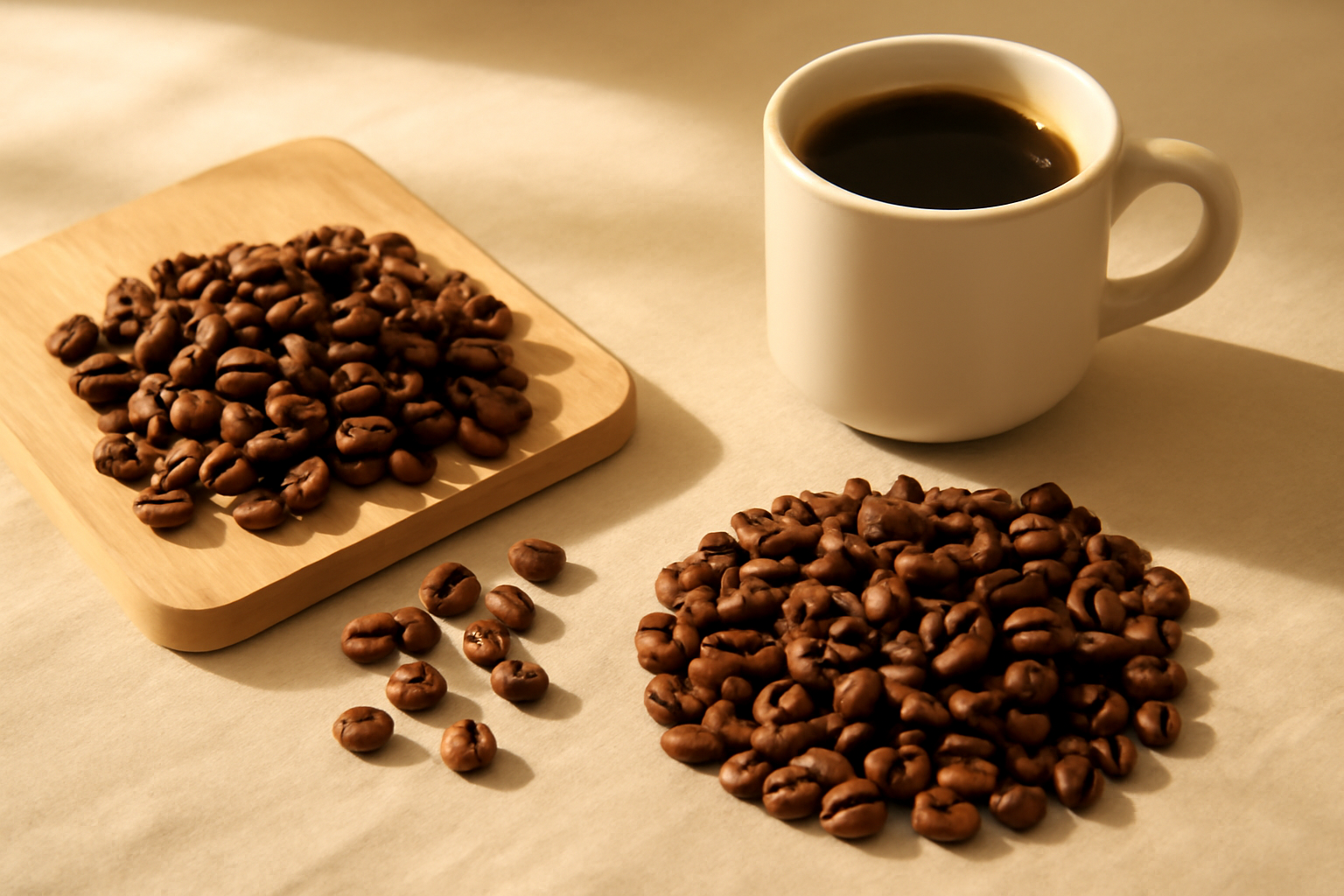
Coffee lovers often find themselves at a crossroads between single origin coffee and blends. Each option offers a unique experience, tailored to different palates and preferences. Understanding the nuances between these two types can enhance your coffee journey and help you choose the right brew for your lifestyle.
In this comparison, we will explore the defining characteristics of single origin coffee and blends, including their flavor profiles, sourcing methods, and ideal drinking scenarios. Whether you're a busy mom seeking a moment of calm or a college student needing a caffeine boost, knowing the differences will help you make informed decisions.
Table of Contents
Understanding Single Origin Coffee
Single origin coffee is sourced from one specific location, whether it's a single farm, a cooperative, or a particular region. This type of coffee is celebrated for its distinct flavors that reflect the unique growing conditions of its origin. The Comprehensive Guide to Coffee: Understanding Single Origin, Specialty, and More.
Single Origin Characteristics
- Flavor Profile: Varied and unique, often showcasing specific tasting notes like fruitiness, earthiness, or floral hints.
- Traceability: Each cup tells a story, allowing drinkers to appreciate the journey from farm to cup.
- Seasonality: Availability can vary based on harvest times, leading to a more limited selection.
Exploring Coffee Blends
Blends consist of coffee beans from different origins mixed together to create a balanced flavor profile. This approach allows roasters to craft a consistent taste that appeals to a broader audience. By combining beans from various regions, roasters can enhance specific flavor notes and create a unique coffee experience that might not be achievable with single origin coffees alone. coffee sourcing effects.
Blend Characteristics
- Flavor Balance: Designed to harmonize flavors, offering smoothness and complexity. For instance, a blend might combine bright, fruity beans from East Africa with rich, chocolatey beans from Central America, resulting in a cup that is both vibrant and comforting.
- Consistency: Aimed at delivering the same taste experience in every cup, regardless of the season. Roasters often adjust the blend ratios as different harvests come in to ensure that the flavor remains stable. This means that you can enjoy your favorite coffee blend without worrying about variations in taste due to seasonal changes.
- Versatility: Blends can be crafted for various brewing methods, from espresso to pour-over. For example, a blend designed for espresso may include beans that produce a rich crema and bold flavor, while the same blend can be adjusted slightly for drip coffee to emphasize its smoother notes.
Crafting a Coffee Blend
Creating a coffee blend involves several steps and a keen understanding of flavor profiles. Here's a practical guide to crafting your own blend at home:
- Choose Your Base: Start with a primary coffee bean that you enjoy. This will be the foundation of your blend. Consider beans that are medium roast for a balanced flavor.
- Layer in Flavors: Select one or two additional beans that will complement or contrast with your base. For example, if your base is a nutty Brazilian coffee, you might add a fruity Ethiopian bean for brightness.
- Experiment with Ratios: Begin with a simple ratio, like 50% base, 30% complementary, and 20% contrasting bean. Brew small batches to test the flavor, adjusting the ratios as needed based on your taste preferences.
- Keep Notes: Document each blend you create, including the beans used, the ratios, and your tasting notes. This will help you refine your blends over time.
- Roast and Brew: If you're roasting your own beans, ensure even roasting for a consistent flavor. Brew your blend using your preferred method, and enjoy the fruits of your labor!
Common Mistakes to Avoid
When exploring coffee blends, it's easy to make a few common mistakes. Here are some pitfalls to watch out for:
- Overcomplicating the Blend: Beginners often try to include too many different beans. Start simple with two or three varieties to avoid overwhelming flavors.
- Neglecting Freshness: Using stale beans can ruin even the best blend. Always opt for freshly roasted beans and store them properly to maintain their flavor.
- Ignoring Brewing Methods: Not all blends work well with every brewing method. Consider how you plan to brew your coffee when selecting and crafting your blend.
Popular Coffee Blends to Try
If you're new to coffee blends, here are a few popular options that highlight the art of blending:
- Breakfast Blend: A light and smooth blend that often combines Central American beans with a hint of East African coffee, perfect for a morning pick-me-up.
- Espresso Blend: Typically a darker roast that combines beans from multiple origins to create a rich and full-bodied flavor, ideal for espresso drinks.
- Mocha Java: A classic blend of Ethiopian and Indonesian beans, known for its balanced flavors of chocolate and spice.
Exploring coffee blends opens up a world of flavor possibilities. By understanding the characteristics and crafting techniques, you can enjoy a tailored coffee experience that suits your personal taste. Whether you're a coffee novice or a seasoned enthusiast, blending can be a fun and rewarding journey.
Flavor Comparison
| Aspect | Single Origin Coffee | Blends |
|---|---|---|
| Flavor Complexity | High, with unique tasting notes | Balanced, smooth flavor |
| Consistency | Varies by harvest | Consistent across batches |
| Traceability | High, specific farm or region | Lower, multiple origins |
| Best Brewing Methods | Pour-over, French press | Espresso, drip coffee |
Flavor Complexity
Single origin coffee is celebrated for its distinctive flavor profiles that reflect the specific terroir of the region where it was grown. This means that each cup can offer a unique tasting experience, often showcasing fruity, floral, or nutty notes that are characteristic of a particular area. For example, Ethiopian coffees are known for their bright acidity and fruity flavors, while Colombian coffees often have a smoother, chocolatey profile. In contrast, blends are created to achieve a consistent flavor profile that appeals to a broader audience. Roasters often mix beans from various regions to create a balanced taste. This can sometimes lead to a more muted flavor experience, as the distinct characteristics of individual beans are combined to create a smoother, more uniform cup. To explore flavor complexity, consider trying a tasting session with both single origin and blended coffees. Take notes on the tasting notes you identify in each cup to deepen your understanding.Consistency
When it comes to consistency, single origin coffees can vary significantly from one harvest to another due to factors such as weather, soil conditions, and agricultural practices. This variability can be exciting for coffee enthusiasts who enjoy exploring new flavors but may be a drawback for those who prefer a reliable cup each time. Blends, on the other hand, are crafted to provide a consistent flavor experience regardless of the harvest. Roasters achieve this by adjusting the proportions of different beans in the blend, allowing them to maintain a stable flavor profile. This consistency makes blends a popular choice for coffee drinkers who want to know what to expect with each cup. To ensure you're getting the best flavor, always check the roast date on the package. Freshness is key, especially for single origin coffees, which can lose their unique characteristics over time.Traceability
Single origin coffees offer a high level of traceability, allowing consumers to know exactly where their coffee comes from. This transparency can enhance the drinking experience, as you can appreciate the unique characteristics tied to a specific farm or region. For example, a bag of coffee labeled as coming from a single estate in Guatemala may have distinct flavor notes that reflect the local environment and farming practices. In contrast, blends may combine beans from various regions, making it difficult to trace the origins of each component. While this can lead to a well-rounded flavor, it can also mean less connection to the coffee's roots. If you're passionate about supporting specific farmers or regions, consider seeking out single origin coffees that promote direct trade practices, which often ensure that farmers receive fair compensation for their crops.Best Brewing Methods
The brewing method you choose can significantly impact the flavor profile of your coffee. Single origin coffees often shine with methods that allow for more nuanced extraction, such as pour-over or French press. These methods emphasize the unique characteristics of the beans, allowing you to fully appreciate their complexity. Blends, however, are typically well-suited for espresso and drip coffee methods, where the balanced flavor can be highlighted. Espresso can create a rich, creamy experience that showcases the blended flavors, while drip coffee provides a straightforward approach that emphasizes consistency. To experiment with brewing, try different methods for both single origin and blended coffees. Keep a journal of your findings to discover which brewing methods best suit your taste preferences.Choosing Between Single Origin and Blends
Your choice between single origin coffee and blends can depend on several factors, including your taste preferences and the context in which you'll be enjoying your coffee. Below are some scenarios to help you decide which option fits you best.
When to Choose Single Origin Coffee
- If you are an adventurous coffee drinker eager to explore coffee varieties and appreciate subtle flavor differences.
- If you value sustainability and want to support specific farms or growers.
- If you enjoy the story behind your coffee and prefer a unique experience with each cup.
When to Choose Blends
- If you prefer a consistent flavor profile that you can rely on for your daily coffee routine.
- If you enjoy a versatile option that caters to various brewing methods.
- If you are serving coffee to guests and want a crowd-pleasing choice that appeals to a wide range of tastes.
Addressing Single Origin Coffee Confusion
For many, the world of single origin coffee can feel overwhelming due to the variety of flavors and origins available. Understanding the single origin characteristics can help demystify this category, allowing you to appreciate the unique aspects of each brew. It's about finding what resonates with your palate and making informed choices.
To navigate the complexities of single origin coffee, consider the following steps and tips that can enhance your understanding and appreciation:
1. Learn About Coffee Origins
Single origin coffee is sourced from one specific location, which can be a country, region, or even a single estate. Each location imparts distinct flavors due to factors like climate, soil composition, and altitude. Here's how to delve deeper:
- Research Coffee Regions: Familiarize yourself with renowned coffee-growing regions such as Ethiopia, Colombia, and Guatemala. Each area has its unique flavor profile. For example, Ethiopian coffees are often fruity and floral, while Colombian coffees are typically well-balanced with a nutty sweetness.
- Understand Processing Methods: Different processing methods (washed, natural, honey) can significantly influence the flavor. A washed coffee tends to have a cleaner taste, while natural coffees often exhibit more fruity notes.
2. Explore Flavor Profiles
Flavor profiles in single origin coffees can vary widely. Here's how to better explore these profiles:
- Taste Testing: Conduct blind taste tests with a few different single origin coffees. Take notes on the flavors you detect, such as chocolate, citrus, or spice. This practice helps train your palate and identify what you enjoy most.
- Use Flavor Wheels: Utilize coffee flavor wheels that outline common tasting notes. This can help you articulate what you're tasting and compare different coffees more effectively.
3. Experiment with Brewing Methods
The brewing method can also impact the flavor of single origin coffee. Here's how to experiment:
- Try Different Brewing Techniques: Brew the same single origin coffee using various methods such as pour-over, French press, or espresso. Each method can highlight different flavor notes.
- Adjust Brew Variables: Experiment with grind size, water temperature, and brew time. For instance, a finer grind and longer brew time may enhance the coffee's body and richness.
4. Avoid Common Mistakes
When exploring single origin coffees, it's easy to make some common mistakes. Here are a few to watch out for:
- Ignoring Freshness: Coffee beans are best enjoyed fresh. Always check the roast date and aim to use them within a few weeks of roasting for optimal flavor.
- Overlooking Storage Conditions: Store your coffee in an airtight container in a cool, dark place. Avoid exposing it to light, moisture, and heat, which can degrade its quality.
- Rushing the Brewing Process: Take your time with brewing. Rushed methods can lead to under-extraction or over-extraction, both of which can muddle the flavors.
5. Engage with the Coffee Community
Connecting with other coffee enthusiasts can enhance your understanding and enjoyment of single origin coffee:
- Join Coffee Tasting Events: Participate in local or online coffee tasting events. These gatherings offer opportunities to try various single origin coffees and learn from experts.
- Follow Coffee Blogs and Forums: Engage with communities that discuss coffee. This can provide insights into new single origin coffees and brewing techniques.
By following these steps, you can demystify single origin coffee and find the flavors that truly resonate with you. Embrace the journey of exploration, and let your taste buds guide you to your perfect cup.
Conclusion
In the end, whether you choose single origin coffee or blends depends on your personal preferences, the occasion, and your desire for flavor exploration. Embrace the journey of discovering what fits your taste and lifestyle, and consider trying both options to see which ones resonate with you the most. To dive deeper into your coffee journey, consider signing up for a coffee subscription box that offers both single origin coffees and blends to experience the best of both worlds.