

How to Brew Single Origin Coffee: A Step-by-Step Guide
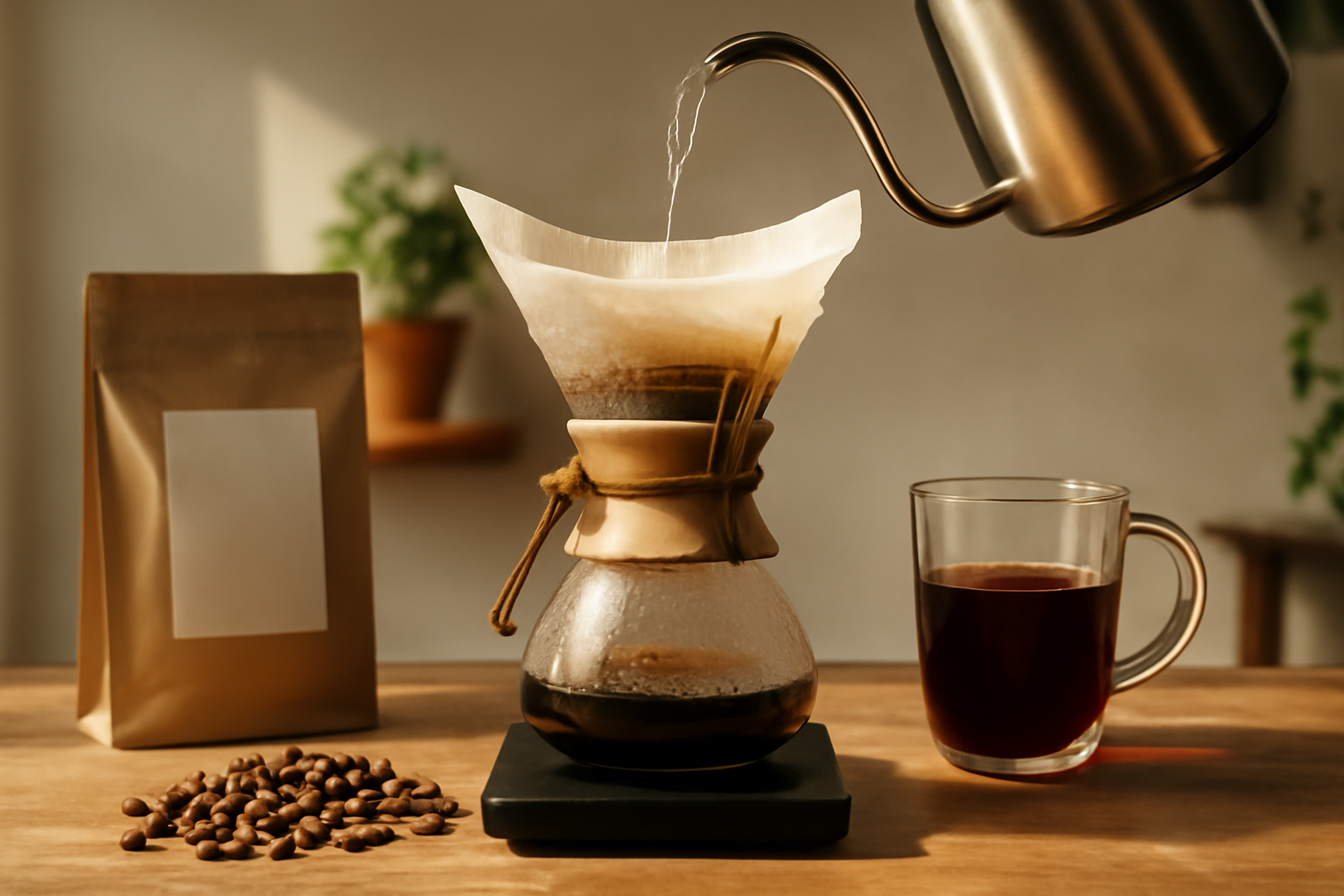
If you're looking to elevate your coffee experience at home, brewing single origin coffee is a fantastic way to appreciate the unique flavors and characteristics of different coffee beans. Single origin coffees come from one specific region, allowing you to explore distinct taste profiles that reflect their growing conditions. coffee culture trends.
This guide will walk you through the essential steps for brewing single origin coffee, ensuring you get the most out of every cup. Whether you're a busy mom, an entrepreneur, or a college student, mastering this technique can transform your daily coffee ritual. coffee and productivity.
Table of Contents
Step 1: Choose Your Single Origin Coffee
The first step is selecting your single origin coffee. Look for beans sourced from a specific region, such as Ethiopia, Colombia, or Guatemala. Each region offers unique flavor notes, from fruity and floral to nutty and chocolatey. Consider trying a coffee subscription box that specializes in single origin selections to expand your palate. The Comprehensive Guide to Coffee: Understanding Single Origin, Specialty, and More.
Step 2: Gather Your Brewing Tools
Before you start brewing, ensure you have the right tools on hand. Having the right equipment not only enhances the flavor of your coffee but also makes the brewing process smoother and more enjoyable. Here's what you'll need:
- Freshly roasted single origin coffee beans
- A coffee grinder (burr grinders are preferred for consistency)
- A brewing device (French press, pour-over, or AeroPress)
- Filtered water
- A scale for measuring coffee and water
- A timer
1. Freshly Roasted Single Origin Coffee Beans
Choosing the right coffee beans is crucial. Look for single origin coffee that has been roasted within the last two weeks for optimal freshness. You can often find these at specialty coffee shops or online retailers. When selecting your beans, consider the flavor profile you desire-whether fruity, nutty, or chocolatey. Always check for the roast date on the packaging.
2. Coffee Grinder
A good grinder is essential for achieving the right grind size, which affects extraction and flavor. Burr grinders are preferred over blade grinders because they provide a more uniform grind. This consistency helps ensure that all the coffee grounds extract evenly during the brewing process. Aim for a medium-coarse grind for methods like French press and a finer grind for pour-over methods.
3. Brewing Device
Your choice of brewing device can significantly impact the taste of your coffee. Here's a brief overview of popular options:
- French Press: Offers a full-bodied flavor and is easy to use. It requires a coarser grind and typically brews for about 4 minutes.
- Pour-Over: Provides a clean and nuanced cup. This method allows for precise control over water flow and temperature. Use a medium grind and aim for a brew time of 2-3 minutes.
- AeroPress: Ideal for those looking for a quick and versatile brewing method. It can make coffee similar to espresso and is portable. Use a fine grind and brew for about 30 seconds to 1 minute.
4. Filtered Water
The quality of water used in brewing coffee can greatly affect the taste. Always use filtered water to avoid any impurities that could alter the flavor. The ideal water temperature for brewing coffee is between 195°F and 205°F (90°C to 96°C). If you don't have a thermometer, just bring water to a boil and let it sit for about 30 seconds before pouring.
5. Scale for Measuring Coffee and Water
Precision is key to brewing the perfect cup of coffee. A digital scale will help you measure both coffee and water accurately. A general rule of thumb is to use a coffee-to-water ratio of 1:15 to 1:17. For example, if you're using 20 grams of coffee, you should use between 300 to 340 grams of water. This ratio can be adjusted based on personal taste preferences.
6. Timer
Timing is crucial for achieving the desired flavor in your coffee. Use a timer to keep track of brew time, ensuring that you don't over-extract or under-extract your coffee. Over-extraction can lead to bitterness, while under-extraction can result in a sour taste. Depending on your brewing method, aim for the following brew times:
- French Press: 4 minutes
- Pour-Over: 2-3 minutes
- AeroPress: 30 seconds to 1 minute
By gathering these essential tools and understanding their roles in the brewing process, you'll be well on your way to creating a delicious cup of single origin coffee that highlights the unique flavors of your chosen beans.
Step 3: Measure Your Coffee and Water
For optimal flavor, the coffee-to-water ratio is crucial. A common guideline is to use 1:15, meaning for every gram of coffee, use 15 grams of water. For instance, if you're brewing 20 grams of coffee, you'll need 300 grams of water. Adjust according to your taste preference, but this is a good starting point.
Common Mistake: Over or Under Brewing
Many beginners might either use too much coffee or too little water, leading to a bitter or weak brew. Stick to the recommended ratios for the best results.
Step 4: Grind Your Coffee
Grind size is another important factor. For a French press, aim for a coarse grind, while a pour-over requires a medium grind. If you're using an AeroPress, a fine grind works best. Freshly grinding your beans right before brewing will enhance the flavor and aroma of your coffee.
Understanding Grind Sizes
Each brewing method extracts flavors differently based on the grind size. Here's a breakdown of the ideal grind sizes for various methods:
- Coarse Grind: Ideal for French press and cold brew. The large particles allow for a slower extraction, resulting in a rich flavor without bitterness.
- Medium Grind: Perfect for pour-over and drip coffee makers. This size allows for a balanced extraction, enhancing the coffee's sweetness and acidity.
- Fine Grind: Best for espresso machines and AeroPress. The smaller particles increase the surface area, leading to a quick extraction, yielding a concentrated flavor.
Choosing the Right Grinder
Investing in a good coffee grinder is crucial for achieving the perfect grind size. There are two main types of grinders:
- Burr Grinders: These grinders crush the beans between two burrs, allowing for a consistent grind size. They are generally preferred by coffee enthusiasts for their precision.
- Blade Grinders: These use a spinning blade to chop the beans. While they are typically cheaper, they can produce uneven grind sizes, which can affect the flavor of your coffee.
For the best results, opt for a burr grinder, as it offers better control over grind size and consistency.
Grinding Techniques
When grinding your coffee, keep these practical tips in mind:
- Measure Your Beans: Use a kitchen scale to measure the exact amount of coffee you need. A general guideline is to use 1 to 2 tablespoons of coffee per 6 ounces of water, depending on your taste preference.
- Grind Just Before Brewing: Coffee begins to lose its freshness and flavor shortly after grinding. For the best taste, grind your beans immediately before brewing.
- Adjust to Taste: If your coffee tastes too bitter, try a coarser grind. If it's too weak, a finer grind may be necessary. Experiment to find your perfect balance.
Common Mistakes to Avoid
Here are some common pitfalls to watch out for when grinding your coffee:
- Inconsistent Grind Size: If your grind is uneven, you may experience over-extraction (bitter) or under-extraction (sour) flavors. Always aim for a uniform grind.
- Grinding Too Much: Grinding more coffee than you need can lead to waste and loss of flavor. Only grind what you plan to use for that brewing session.
- Ignoring Grind Size Recommendations: Each brewing method has its ideal grind size. Ignoring these recommendations can result in subpar coffee.
Final Thoughts
Grinding your coffee beans correctly is essential for bringing out the best flavors in your single origin coffee. By understanding grind sizes, choosing the right grinder, and avoiding common mistakes, you can elevate your coffee brewing experience. Enjoy the process and take the time to experiment with different grind sizes to find what suits your taste preferences best.
Step 5: Brew Your Coffee
Now it's time to brew. Follow the instructions specific to your brewing device:
- French Press: Add the ground coffee to the press, pour in hot water, stir, place the lid on, and steep for about 4 minutes before pressing the plunger down.
- Pour-Over: Place a filter in your dripper, add the coffee grounds, and slowly pour hot water in a circular motion over the grounds, allowing for even extraction.
- AeroPress: Add the coffee and hot water to the chamber, stir, and press down slowly to extract your coffee.
Common Mistake: Incorrect Water Temperature
Avoid using boiling water as it can scorch the coffee. Aim for a temperature between 195°F and 205°F for the best extraction.
Step 6: Enjoy and Experiment
Once your coffee is brewed, take a moment to savor the aromas and flavors. Single origin coffees can vary widely; try tasting them black to fully appreciate their unique profiles. You might also want to experiment with different brewing methods to see how they affect the taste.
Exploring Coffee Varieties
Consider keeping a tasting journal to note the characteristics of each single origin coffee you try. This will help you discover your preferences and make informed choices in the future.
Checklist for Brewing Single Origin Coffee
- Select your single origin coffee.
- Gather your brewing tools.
- Measure coffee and water accurately.
- Grind your coffee just before brewing.
- Brew using the appropriate method.
- Savor and note your experience.
Select your single origin coffee
Choosing the right single origin coffee is critical for a great brewing experience. Look for beans that are sourced from a specific region known for its unique flavor profiles. For example, Ethiopian coffees often have fruity and floral notes, while Colombian beans might present a nutty and chocolatey flavor. Consider trying a few samples to find the one that resonates with your palate.
Gather your brewing tools
Ensure you have the necessary tools on hand for brewing. This includes:
- Coffee grinder: A burr grinder is recommended for consistent grind size.
- Scale: A digital scale will help you measure coffee and water accurately.
- Brewing device: Choose from options like a French press, pour-over, AeroPress, or a drip coffee maker, depending on your preference.
- Kettle: A gooseneck kettle allows for precise pouring, especially useful for pour-over methods.
- Timer: To keep track of brewing time for optimal extraction.
Measure coffee and water accurately
For the best results, use a coffee-to-water ratio of 1:15 to 1:17. This means for every gram of coffee, you should use 15 to 17 grams of water. For instance, if you are brewing 20 grams of coffee, use between 300 to 340 grams of water. Using a scale ensures that you maintain consistency in your brews.
Grind your coffee just before brewing
Freshly ground coffee beans are essential for capturing the full flavor of single origin coffee. Adjust the grind size based on your brewing method:
- Coarse: French press
- Medium: Pour-over
- Fine: Espresso
Grind your beans just before brewing to preserve their freshness and aromatic oils.
Brew using the appropriate method
Different brewing methods can highlight different aspects of single origin coffee. Here's a brief overview of popular methods:
- French Press: Add coarsely ground coffee and hot water, steep for 4 minutes, then press down the plunger.
- Pour-Over: Place a filter in the dripper, add medium-ground coffee, and slowly pour hot water in circular motions, allowing for even extraction.
- AeroPress: Combine coffee and water, stir, and then press down the plunger for a concentrated brew.
- Drip Coffee Maker: Add coffee to the filter basket, fill the reservoir with water, and let the machine do the work.
Savor and note your experience
After brewing, take a moment to savor your coffee. Pay attention to the aroma, flavor, and mouthfeel. Consider keeping a coffee journal where you can jot down your observations, such as:
- Flavor notes (fruity, nutty, chocolatey)
- Acidity level (bright, smooth, balanced)
- Body (light, medium, full)
- Overall impression and any adjustments for next time
By documenting your experiences, you can refine your brewing technique and discover your perfect cup of single origin coffee.
Conclusion
Now that you know how to brew single origin coffee, take the time to explore various beans and brewing methods. Each cup can be a new adventure in flavor. As you refine your skills, you may find that your appreciation for coffee deepens, making it an even more enjoyable part of your daily routine. Start your journey today with a fresh batch of single origin coffee and discover the rich world of flavors waiting for you!