

Mastering Your Brew: A Step-by-Step Guide to Improving Your Coffee Brewing Skills
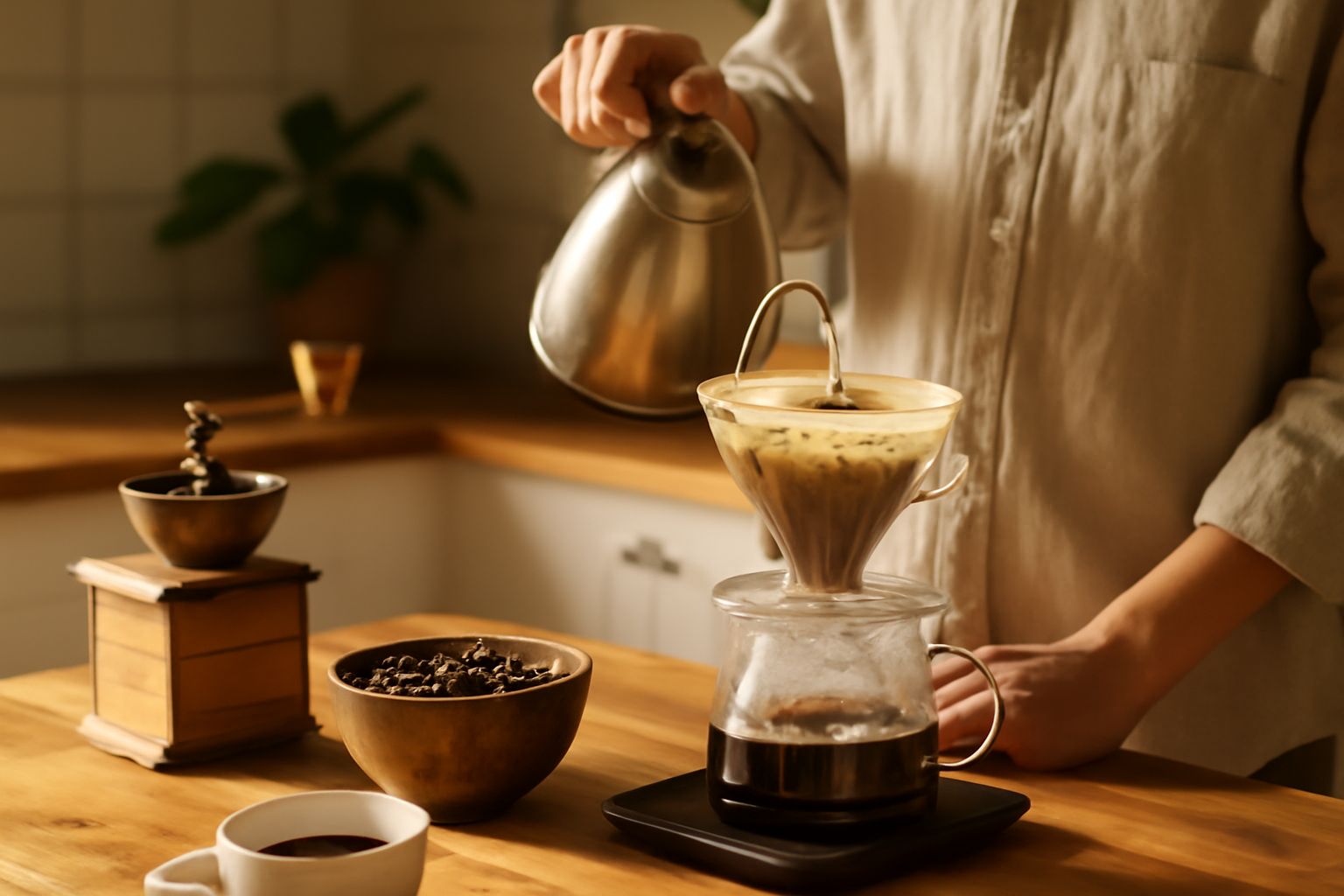
Brewing the perfect cup of coffee is both an art and a science. Whether you're a busy mom looking to savor a moment of peace or an entrepreneur needing a boost to tackle the day, understanding the nuances of coffee brewing can elevate your daily ritual. This guide will walk you through essential steps to enhance your brewing skills, making each cup a delightful experience. brewing coffee at home.
With the right techniques and a bit of practice, you can transform your home coffee routine. From choosing the right beans to perfecting your brewing method, let's dive into the details that can make all the difference.
Table of Contents
Step 1: Choose Quality Coffee Beans
The foundation of a great cup of coffee starts with the beans. Here are some tips for selecting quality coffee: Discover the Joy of Fresh Coffee Delivered to Your Doorstep.
Opt for Freshness
Always look for freshly roasted coffee. Beans lose their flavor over time, so check roast dates and aim for beans roasted within the last two weeks. Consider a coffee subscription service to ensure you have freshly delivered coffee regularly.
Explore Varieties
Experiment with different coffee varieties to discover what you like best. From single-origin to blends, each type offers unique flavors and aromas. Consider trying our premium coffee selection to find your favorites.
Step 2: Invest in the Right Equipment
Your brewing equipment plays a crucial role in the final taste of your coffee. Here are some tools to consider:
Coffee Grinder
A good quality burr grinder ensures consistent grind size, which is essential for optimal extraction. Avoid blade grinders as they can produce uneven grinds.
Brewing Methods
Different brewing methods yield different results. Whether you prefer a French press, pour-over, or an espresso machine, invest time in learning the specifics of your chosen method. Each brings out different flavors in the coffee.
Step 3: Master Your Brewing Technique
Now that you have quality beans and the right equipment, it's time to focus on your brewing technique:
Water Quality and Temperature
Use filtered water for the best taste, as tap water can contain minerals that affect flavor. The ideal brewing temperature is between 195°F and 205°F. Too hot can scorch the coffee, while too cold can under-extract.
Brewing Time
Your brewing time should align with your method. For example, a French press typically requires about 4 minutes of steeping, while pour-over might take 2-3 minutes. Experiment to find the perfect balance for your taste.
Step 4: Pay Attention to Ratios
The coffee-to-water ratio significantly impacts flavor. A common starting point is 1:15 (1 part coffee to 15 parts water), but feel free to adjust based on your preferences. Understanding and mastering this ratio is crucial for achieving the perfect cup of coffee tailored to your taste.
Measuring Coffee
Use a kitchen scale for accuracy. Measure your coffee and water precisely to maintain consistency in your brews. This small step can lead to a noticeable difference in taste. Here's how to do it effectively:
- Select Your Coffee: Choose your favorite coffee beans, whether they are whole or pre-ground.
- Weigh Your Coffee: For a 1:15 ratio, if you're using 15 grams of coffee, you will need 225 grams of water. Use a scale to measure both accurately.
- Adjust for Strength: If you prefer a stronger brew, try a 1:14 or even a 1:13 ratio. For a milder taste, you can go with a 1:16 or 1:17 ratio.
Understanding Brew Methods
Different brewing methods may require slight adjustments to your coffee-to-water ratio. Here are some common methods and their recommended ratios:
- French Press: A ratio of 1:12 to 1:15 works well. Experiment with a coarser grind for better extraction.
- Pour-Over: A ratio of 1:15 is standard, but some prefer 1:16 for a smoother cup. Adjust grind size for optimal flow rate.
- Espresso: A typical ratio is 1:2. This means for every gram of coffee, you should aim for 2 grams of water.
- Cold Brew: A stronger ratio of 1:4 to 1:5 is common, as cold brewing extracts flavors differently.
Common Mistakes to Avoid
While measuring coffee and water might seem straightforward, there are common pitfalls to watch out for:
- Inconsistent Measurements: Not using a scale can lead to varying results. Always measure both coffee and water for consistency.
- Ignoring Grind Size: The grind size affects extraction time and flavor. Ensure your grind size matches your brewing method.
- Not Adjusting for Taste: Don't be afraid to tweak your ratios based on your taste preferences. Coffee is subjective, and personal preference plays a significant role.
Practical Checklist for Ratios
To ensure you're consistently brewing great coffee, follow this checklist:
- Choose your coffee and determine the desired strength.
- Use a kitchen scale to weigh your coffee and water.
- Adjust the coffee-to-water ratio based on your brewing method.
- Experiment with different ratios until you find your perfect cup.
- Keep notes on your ratios and results for future reference.
By paying close attention to your coffee-to-water ratios, you can refine your brewing skills and enjoy a consistently delicious cup of coffee every time. Remember, practice makes perfect, so don't hesitate to experiment and find what works best for you!
Step 5: Avoid Common Mistakes
Even experienced brewers make mistakes. Here are some common pitfalls to avoid:
Stale Beans
Never brew with stale coffee beans. Freshness is key to a great cup of coffee. Store your beans in an airtight container away from light and heat, ideally in a cool, dark place. When purchasing coffee, look for a roast date on the packaging, and aim to use the beans within two to four weeks of that date for optimal flavor. Before brewing, give your beans a sniff; if they smell flat or lack aroma, they may be stale.
Over or Under Brewing
Pay attention to your brewing time and method. Over brewing can lead to bitterness, while under brewing might result in a weak flavor. Here are some tips to help you get it right:
- Know Your Brewing Method: Different methods require different brewing times. For example, a French press usually takes about four minutes, while an espresso shot should only take around 25-30 seconds.
- Use a Timer: Invest in a timer or use your smartphone to keep track of brewing times. This will help you avoid guesswork and ensure consistency.
- Adjust Grind Size: The grind size of your coffee affects extraction time. A finer grind extracts more quickly, while a coarser grind takes longer. Experiment to find the right grind for your brewing method.
- Taste as You Go: If you're unsure, taste your coffee at various intervals during brewing to find the perfect balance.
Incorrect Coffee-to-Water Ratio
The coffee-to-water ratio is crucial for achieving the desired strength and flavor. A common guideline is to use 1 to 2 tablespoons of coffee per 6 ounces of water, but this can vary based on personal preference and brewing method. Here's how to find the right ratio:
- Start with a Standard Ratio: Use the standard ratio as a starting point, then adjust based on your taste preferences. If your coffee tastes weak, increase the coffee amount; if it's too strong, decrease it.
- Use a Scale: Weighing your coffee and water can help you achieve precision. A digital kitchen scale can be a valuable tool for consistent results.
- Keep Notes: Maintain a coffee journal to track your ratios and results. This can help you refine your brewing technique over time.
Ignoring Water Quality
The quality of water used for brewing can significantly impact the flavor of your coffee. Here are some tips to ensure you're using the best water:
- Use Filtered Water: Tap water can contain impurities that affect taste. Consider using filtered water or bottled spring water for the best results.
- Avoid Distilled Water: While distilled water is free of minerals, it lacks the necessary elements that enhance coffee flavor. Aim for water with a balanced mineral content.
- Temperature Matters: The ideal brewing temperature for coffee is between 195°F and 205°F. Too hot can scorch the coffee, while too cold can under-extract it. Use a thermometer if necessary.
Neglecting Equipment Maintenance
Clean equipment is essential for great coffee. Residue from previous brews can alter the flavor of your coffee. Follow these maintenance tips:
- Regular Cleaning: Clean your coffee maker, grinder, and any other equipment after each use. For drip coffee makers, run a cycle with equal parts vinegar and water to remove buildup.
- Descale Periodically: If you use a machine, descale it every few months to prevent mineral buildup.
- Replace Filters: If your brewing method uses filters, make sure to replace them regularly to ensure optimal flavor extraction.
By avoiding these common mistakes, you can significantly improve your coffee brewing skills and enjoy a consistently delicious cup every time. Practice makes perfect, so don't hesitate to experiment and refine your technique!
Step 6: Experiment and Taste
Improving your coffee brewing skills is an ongoing journey. Always be open to experimenting with different beans, techniques, and equipment. This not only enhances your brewing knowledge but also helps you discover what you truly enjoy in a cup of coffee.
Cupping for Flavor
Cupping is a method used to taste coffee that allows you to evaluate its unique characteristics. Here's how to do it:
- Select Your Beans: Choose a variety of coffee beans from different origins or roast profiles. Aim for at least three different types to compare.
- Grind the Coffee: Use a coarse grind similar to that of sea salt. This ensures the flavors are released properly during the cupping process.
- Measure and Brew: Use about 12 grams of ground coffee for every 200 ml of hot water. Pour hot water (just off the boil) over the grounds and let them steep for about 4 minutes.
- Smell and Observe: After steeping, take a moment to smell the coffee. Note the aromas that stand out to you. This is an essential part of the tasting process.
- Tasting: Use a spoon to break the crust of coffee grounds on the surface. Take a spoonful of coffee and slurp it to aerate it over your palate. Pay attention to the flavors, acidity, sweetness, and aftertaste.
- Take Notes: Document your impressions for each coffee. Consider using a flavor wheel to help identify specific notes. This practice will refine your palate over time.
Regular cupping sessions can significantly enhance your ability to discern different flavors and aromas, helping you make more informed choices when selecting coffee beans.
Join Coffee Communities
Engaging with other coffee lovers through forums or local coffee events can provide new insights and inspiration. Here are some ways to get involved:
- Online Forums: Join coffee-related forums like Home-Barista or CoffeeGeek. Participate in discussions, ask questions, and share your own experiences.
- Social Media Groups: Find Facebook groups or Instagram communities dedicated to coffee enthusiasts. These platforms often share brewing tips, recipes, and reviews of different coffee brands.
- Local Coffee Events: Attend coffee tastings, workshops, or barista competitions in your area. These events are great opportunities to meet fellow coffee lovers and learn from professionals.
- Workshops and Classes: Look for local coffee shops that offer brewing classes or cupping sessions. Learning from experts can provide valuable hands-on experience.
Networking with other coffee aficionados not only broadens your knowledge but also keeps your passion for coffee brewing alive. Sharing tips and techniques can lead to discovering new methods that enhance your brewing skills.
Common Mistakes to Avoid
As you experiment with your coffee brewing, be aware of common pitfalls that can hinder your progress:
- Sticking to One Method: Don't be afraid to switch things up! Sticking to the same brewing method can limit your understanding of coffee.
- Ignoring Freshness: Always use fresh beans. Coffee loses its flavor quickly once it's ground. Buy whole beans and grind them just before brewing.
- Not Measuring Ingredients: Precision matters in coffee brewing. Use a scale to measure coffee and water for consistent results.
- Overlooking Water Quality: The quality of water used can greatly affect the taste of your coffee. Use filtered water to avoid any off-flavors.
- Neglecting Equipment Maintenance: Regularly clean your coffee maker, grinder, and other equipment to prevent any buildup that can alter the flavor of your coffee.
By avoiding these common mistakes, you can ensure a more enjoyable and successful coffee brewing experience. Remember, the key to improvement is to keep experimenting and tasting!
Step 7: Create a Checklist
To keep your coffee brewing skills on track, consider creating a simple checklist:
- Use freshly roasted coffee beans
- Invest in a quality grinder and brewing equipment
- Monitor water quality and temperature
- Adhere to the appropriate brewing time
- Measure coffee and water accurately
- Avoid stale or improperly stored beans
- Experiment and refine your technique
In conclusion, improving your coffee brewing skills is a rewarding endeavor that enhances both your coffee experience and your daily routine. Start by implementing these steps, and soon you'll be savoring the delightful flavors of your home-brewed coffee. For an effortless way to elevate your coffee game, explore our coffee lovers collection and enjoy the convenience of coffee delivery. Embrace the journey to perfecting your brew!