

How to Identify High Quality Light Roast Coffee
Table of Contents
- What Makes High Quality Light Roast Coffee Different
- Light Roast vs. Medium Roast Coffee: Understanding Roast Development
- Visual Assessment: Bean Color, Surface Oil, and Appearance
- Evaluating Freshly Roasted Coffee Beans for Optimal Quality
- Light Roast Coffee Flavor Notes and Tasting Profile
- Light Roast Coffee Brewing Guide for Quality Assessment
- Spotting Defects and Warning Signs in Beans and Brewed Coffee
- Your High Quality Light Roast Assessment Checklist
- Frequently Asked Questions
Last Updated: October 13, 2026
What Makes High Quality Light Roast Coffee Different
High quality light roast coffee stands apart through origin clarity and roasting precision. At Cafe de Mattier, we source from micro-lots and family-owned estates because light roasting reveals the complexity and floral notes these origins deserve.

The difference comes down to roast development. A quality light roast stops at or just after first crack, capturing bright acidity and origin character with a clean, tea-like body. This requires skill and restraint, rushing or pushing too far destroys what makes the beans special.
Light roast quality depends on three factors working together: the beans, the roasting skill, and freshness at brew time. A mediocre light roast tastes thin and sour; a high quality light roast tastes balanced, with sweetness and complexity that unfolds as it cools.
Light Roast vs. Medium Roast Coffee: Understanding Roast Development
Light roast and medium roast differ in how long the beans spend in the roaster. Light roast stops at or just after first crack; medium roast continues 1-2 minutes longer, into second crack development.
First crack is the audible popping when heat forces moisture out of the beans. Light roasts exit here; medium roasts continue past it, allowing more caramelization and deeper roast flavors.
The flavor impact is substantial:
- Light roast: Brighter acidity, origin character dominates, tea-like body, floral and fruity notes, minimal roast flavor
- Medium roast: Balanced acidity, origin and roast flavors blend, fuller body, caramel and chocolate notes, more sweetness
For high quality light roast, the roaster must nail the timing.
This is why roast date matters: a light roast from three weeks ago has lost brightness and acidity, while one from three days ago still has vibrant origin character intact.
Visual Assessment: Bean Color, Surface Oil, and Appearance
Bean color is your first visual clue to roast level. High quality light roast beans display a consistent cinnamon to light brown color across the bag, with no dark spots, pale beans, or variation suggesting uneven roasting.
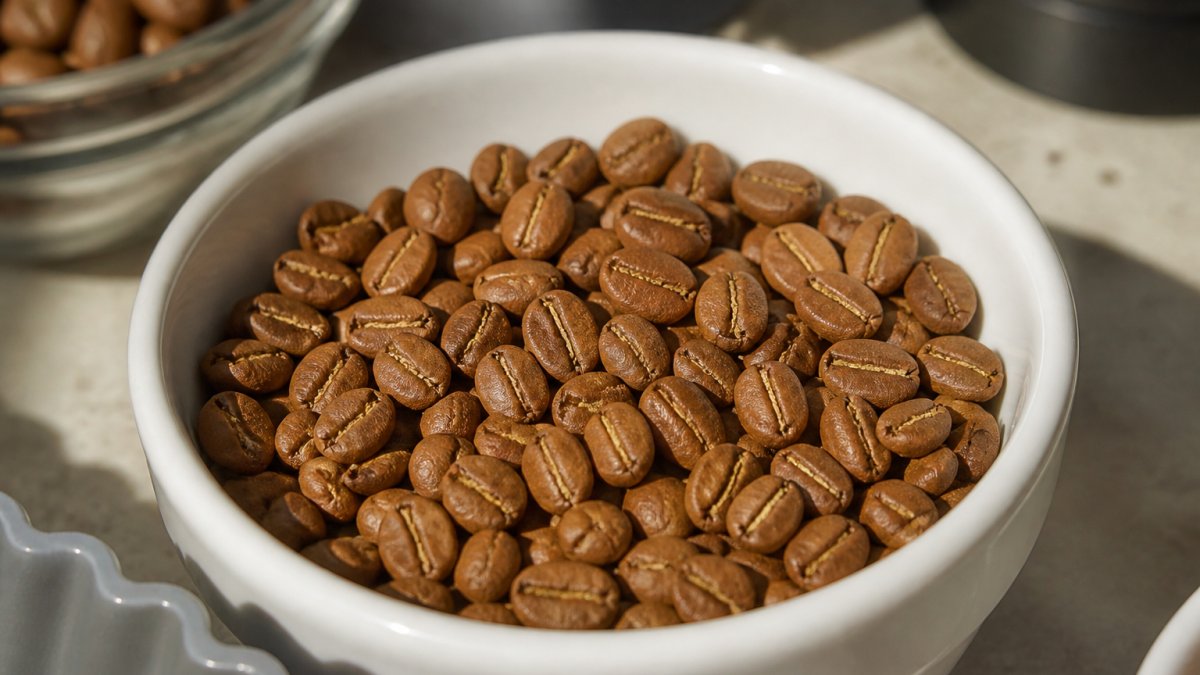
Surface oil tells you how far the roast went. Light roast beans should be completely dry with zero visible oil. Any shine or oily residue means the roast crossed into medium or medium-dark territory.
Crack a bean open and look inside. Quality light roast beans show consistent color all the way through, with no white or pale center, uniformly developed from outside to inside.
First Crack and Roasting Time Indicators
First crack is the roasting milestone that defines light roast, an audible popping, like popcorn, when internal bean pressure forces moisture out. For light roast, the roaster stops within 30-60 seconds after it begins.
Total roasting time for light roast typically ranges from 8-12 minutes, depending on bean density and roaster type. Denser, higher-altitude beans take longer; less dense beans roast faster. The roaster's skill is matching time to the specific bean.
You can't hear first crack when buying whole beans, but you can infer timing from appearance: pale cinnamon brown and completely dry means stopped right after first crack; any oil or darker brown means it went past.
Evaluating Freshly Roasted Coffee Beans for Optimal Quality
Freshly roasted beans taste their best within 2-4 weeks of roasting, when origin character and brightness are strongest. After that, beans lose volatile aromatic compounds and acidity fades.
High quality light roast should taste vibrant and complex when fresh. Brew beans three months old and even quality beans taste flat and dull, freshness is essential for light roast quality.
Roast Date, Packaging, and Storage Clues
The roast date is printed on every bag of quality specialty coffee, check it before buying. No roast date means the coffee may be old or the roaster may not prioritize freshness. At Cafe de Mattier, we print the roast date on every bag.
Packaging matters for freshness.
Look for these packaging clues of quality:
- Roast date printed clearly on the front
- One-way degassing valve on the bag
Store beans in an airtight container at room temperature, away from sunlight.
Light Roast Coffee Flavor Notes and Tasting Profile
High quality light roast coffee displays distinct flavor notes from the bean's origin, not added flavors, but naturally present in the bean and revealed by light roasting.
Common flavor notes in quality light roasts include:
- Fruity notes: berry, citrus, stone fruit, tropical fruit
- Floral notes: jasmine, rose, lavender
- Sweet notes: caramel, honey, brown sugar
- Clean notes: tea-like, crisp, bright
The Tanzania from Cafe de Mattier, for example, shows pear, floral, jasmine, and strawberry notes from Bourbon and Kent varieties grown in the Mbeya region with washed processing. The light roast preserves all of these origin characteristics.
Brightness, Acidity, and Origin Character
Brightness is the liveliness you feel on your tongue when you drink light roast, the acidity that makes coffee taste fresh and vibrant. High quality light roast has noticeable brightness: not sour or sharp, but clean and clear.
Acidity in coffee is not a flaw, it's a desirable quality signaling origin clarity and freshness. Light roasts have more acidity than medium or dark because roasting hasn't neutralized the acids through caramelization.
Origin character is the unique flavor profile from where the beans were grown, altitude, soil, climate, and processing all influence it. A quality light roast lets you taste the origin story in every sip; you can taste the difference between Ethiopian and Tanzanian beans because the roast was light enough to preserve those characteristics.

Body, Mouthfeel, and Clean Finish
Body describes how coffee feels in your mouth: light, medium, or full. High quality light roast typically has a light to medium body, feeling tea-like or silky rather than heavy, not a weakness, but the natural result of light roasting, which removes less mass from the bean.
Mouthfeel is the texture and sensation. Quality light roast feels clean and smooth, not thin or watery, with a subtle sweetness balancing the brightness. The silk-like body Cafe de Mattier achieves through our slow-roast tradition.
A clean finish means the aftertaste is pleasant and clear, not bitter or astringent. Quality light roast leaves a sweet, clean sensation that lingers briefly; poor quality leaves a harsh, sour, or flat aftertaste.
Light Roast Coffee Brewing Guide for Quality Assessment
How you brew light roast directly affects whether you taste quality. Incorrect brewing can make excellent beans taste bad; proper brewing reveals what makes high quality light roast special.
Light roast requires slightly different brewing parameters than medium or dark. It's more delicate and susceptible to under-extraction, which creates sour, thin flavors.
Extraction, Water Temperature, and Brewing Method
Extraction is dissolving flavors from the grounds into water. Under-extraction, too little time with the grounds, leaves sour, grassy flavors; over-extraction, too long, creates bitter, astringent flavors. High quality light roast requires balanced extraction.
Water temperature for light roast should be 195-205°F, hot enough to extract properly without scorching the delicate roast. Below 190°F you'll under-extract and taste sourness; above 210°F you risk over-extraction.
Brewing method affects extraction too. Pour-over, French press, espresso, and AeroPress all work for light roast, each with slightly different timing:
- Pour-over: 3-4 minutes total brew time, medium-fine grind
- French press: 4 minutes steep time, medium-coarse grind
- Espresso: 25-30 second pull, fine grind
- AeroPress: 1-2 minutes brew time, medium grind
Grind size matters: finer grinds expose more surface area, increasing extraction; coarser grinds slow it. For light roast, aim for medium to medium-fine unless your brewing method specifies otherwise.
Spotting Defects and Warning Signs in Beans and Brewed Coffee
Quality assessment includes knowing what to avoid. Defects in beans or brewed coffee signal problems with sourcing, roasting, or storage.
Bean defects to watch for:
- Broken or cracked beans (suggests rough handling or roasting stress)
- Discolored beans, pale, dark, or mottled (indicates uneven roasting or defective beans)
- Beans with visible mold or damage
- Pebbles or foreign material (quality roasters remove these during processing)
- Beans that smell musty or moldy (sign of moisture damage)
Brewed coffee warning signs:
- Sour or vinegary taste (under-extraction or stale beans)
- Bitter or astringent finish (over-extraction or roast gone too far)
- Thin, watery body (weak extraction or poor quality beans)
- Flat, dull flavor with no brightness (old beans or improper storage)
- Grassy or vegetal notes (under-roasted or immature beans)
If your light roast tastes sour, check three things: roast date (is it fresh?), water temperature (hot enough?), and grind size (fine enough for your method?). Often the issue is brewing, not the beans.
Your High Quality Light Roast Assessment Checklist
Use this checklist to evaluate light roast coffee before you buy or brew. A high quality light roast should check most of these boxes.
| Assessment Area | What to Look For | Quality Indicator |
|---|---|---|
| Color | Uniform cinnamon to light brown | All beans consistent, no dark spots |
| Surface | Completely dry, zero oil | Oil-free appearance throughout |
| Roast Date | Clearly printed on bag | Within 2-4 weeks of purchase |
| Packaging | One-way valve, opaque bag | Proper freshness protection |
| Aroma | Bright, fruity, floral, sweet | Complex, pleasant smell |
| First Sip | Bright, clean, balanced | Clear acidity, origin character |
| Flavor Notes | Distinct fruit, floral, or sweet | Matches origin profile |
| Body | Light to medium, silky | Not thin or heavy |
| Finish | Clean, sweet, lingering | Pleasant aftertaste |
| Brewing | Proper temperature and timing | No sourness or bitterness |
Before buying light roast, ask the roaster:
- When was this roasted?
- What's the origin and altitude?
- What processing method was used?
- How long after first crack was it pulled?
Roasters who can answer these questions care about quality; those who can't may not prioritize the precision light roast demands.
High quality light roast coffee rewards attention to detail. When you understand what to look for, bean color, freshness, brewing parameters, you can confidently identify coffee that delivers the complexity and brightness that makes light roast special.
Finding truly excellent light roast coffee means knowing exactly what separates quality from mediocrity. Start with coffee freshness guidelines from specialty coffee associations, which outline best practices for roast dates and storage.
Frequently Asked Questions
How can you tell if light roast coffee is high quality?
High quality light roast shows uniform cinnamon-brown color with a dry, oil-free surface. Check the roast date on the bag, beans should be roasted within 2-4 weeks of purchase. Smell the beans for bright, fruity, or floral aromas rather than flat or musty scents. When brewed, quality light roast delivers clarity in flavor, brightness, and a clean finish without bitterness or defects like sourness or staleness.
What should high-quality light roast coffee taste like?
Quality light roast coffee emphasizes origin character and complexity. Expect vibrant acidity with brightness rather than sharpness, fruity or floral notes that reflect the bean's origin, and a light to medium body with silk-like mouthfeel. The flavor profile should feel balanced and clean, with a finish that lingers without harshness. Beans from origins like Ethiopia or Tanzania showcase distinct tasting notes, fruity, jasmine, or caramel, depending on their processing and altitude.
How can you tell whether coffee beans are freshly roasted?
Look for a roast date printed on the bag, freshly roasted beans should show a date within 2-4 weeks of your purchase. Freshly roasted beans have a dry surface without visible oil. Open the bag and smell for vibrant, aromatic scents; stale beans smell flat or cardboard-like. When brewed, fresh light roast delivers bright flavors and aromatic complexity; older beans taste dull and lose their origin character.
Should light roast coffee beans look dry or oily?
Quality light roast beans should appear dry with an oil-free surface. Light roasts are removed from the roaster before oils migrate to the bean surface. A dry appearance indicates proper roast development and preservation of origin flavors and brightness. If light roast beans look visibly oily or glossy, they may have been roasted longer than intended or stored in warm conditions, which accelerates flavor degradation and staling.