

Is Artisanal Coffee Worth the Price: A Honest Breakdown
Table of Contents
- What You're Actually Paying For When You Buy Artisanal Coffee
- Specialty Coffee vs Commercial Coffee: The Core Difference
- The Benefits of Small-Batch Roasting and Flavor Complexity
- How to Identify High-Quality Coffee Beans You're Actually Getting
- Cost-Per-Cup Analysis: Where the Price Premium Goes
- The Diminishing Returns Threshold: When More Expensive Stops Meaning Better
- Is Artisanal Coffee Worth It for Your Situation
Last Updated: August 28, 2026
What You're Actually Paying For When You Buy Artisanal Coffee
When you pick up a bag of artisanal coffee worth $23.99 or more, you're buying deliberate choices made at every stage of production, from sourcing to roasting to packaging. Small-batch roasters source directly from specific farms, often paying above-market rates for micro-lots and single-origin beans traceable to particular estates. Unlike commercial operations that roast in massive batches on autopilot, artisanal roasters adjust temperature, airflow, and timing to bring out specific flavor characteristics in each origin, a process requiring experience and smaller batch sizes that increase per-unit labor costs.
At Cafe de Mattier, our French-inspired slow-roast tradition deliberately extends the roasting process to develop complexity and floral notes that faster commercial roasting can't achieve. Freshness matters too: artisanal roasters typically roast to order with recent roast dates printed on the bag, while commercial coffee often sits in warehouses for weeks or months before reaching shelves. The difference in flavor between a bean roasted two weeks ago and one roasted two months ago is substantial, complexity fades, brightness dulls, and what remains tastes flat.
Specialty Coffee vs Commercial Coffee: The Core Difference
Specialty coffee refers to beans graded and cupped to specific quality standards, usually scoring 80 points or higher on the Specialty Coffee Association cupping scale (sca.coffee). Commercial coffee is anything below that threshold, optimized for consistency and cost, not flavor complexity or origin character.
Commercial coffee producers blend beans from multiple origins to achieve consistent taste year-round, erasing each origin's unique characteristics. Specialty coffee prioritizes the opposite approach: a single-origin bean from the Sidama zone in Ethiopia or volcanic slopes near Antigua is allowed to express its own flavor profile. The roaster's job is to bring out what's already in the bean, not mask it or blend it away.
The sensory experience reveals the difference immediately. Commercial coffee tastes like coffee, bitter, straightforward, functional. Specialty coffee tastes like something specific: milk chocolate and caramel in an Ethiopia Natural, or bright fruit and butterscotch in a Guatemala. These aren't imagined flavors; they're compounds actually present in the beans, developed through growing conditions and processing methods. A roaster who understands their craft can highlight them; a commercial roaster cannot, because their process is designed for volume and consistency, not nuance.

| Aspect | Specialty Coffee | Commercial Coffee |
|---|---|---|
| Sourcing | Single-origin, traceable to specific farms | Blended from multiple origins, commodity grade |
| Grading | 80+ points on cupping scale | Below 80 points |
| Roasting | Small-batch, adjusted per origin | Large-batch, standardized process |
| Flavor Profile | Complex, origin-specific notes | Consistent, generic coffee taste |
| Freshness | Recent roast date (weeks old) | Often months old before retail |
| Price Point | $20-30+ per pound | $8-15 per pound |
The Benefits of Small-Batch Roasting and Flavor Complexity
Small-batch roasting is not a marketing term, it's a production constraint that directly impacts flavor. When a roaster works with smaller quantities, they can monitor individual batches closely, adjust heat and airflow in real time, and catch the exact moment a roast reaches its peak. Commercial roasters cannot do this; they load hundreds of pounds into massive drums and rely on timers and sensors, optimizing for throughput rather than quality.
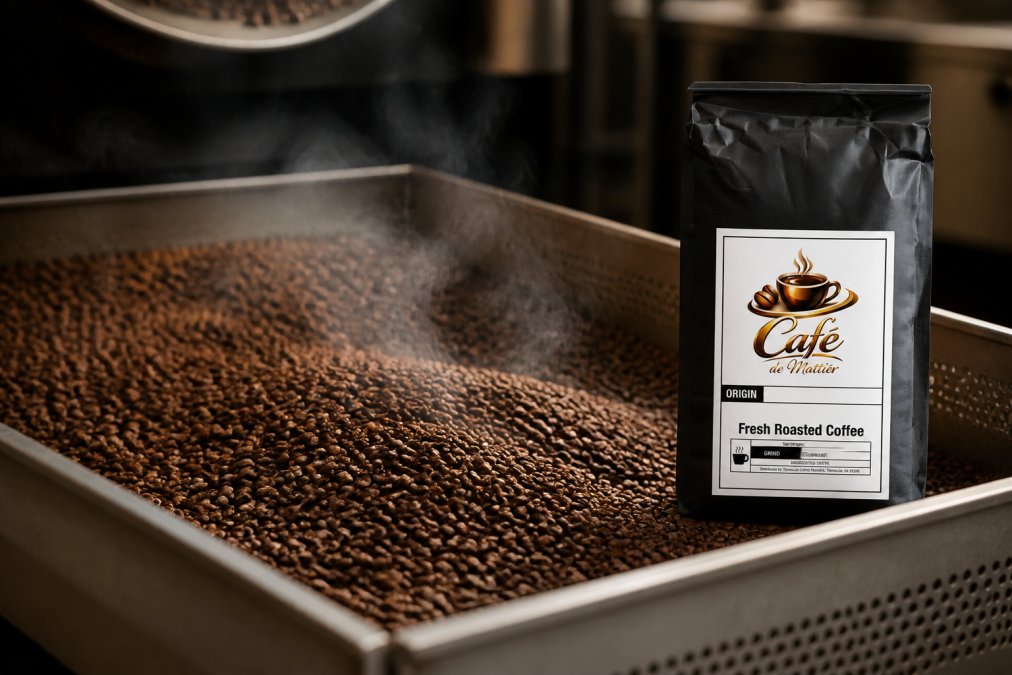
The flavor complexity from careful roasting separates artisanal coffee from everything else. When a bean is roasted too quickly, sugars don't develop fully and acids don't mellow. When roasted too slowly or at the wrong temperature, it tastes flat or hollow. The sweet spot, where sweetness, acidity, and body balance together, is narrow and requires skill and attention.
Small-batch roasting also allows roasters to respond to seasonal variations in the bean itself. Coffee is an agricultural product; beans from the same farm in different harvest years can have slightly different moisture content, density, and flavor potential. A commercial roaster adjusts their process maybe twice a year. A specialty roaster adjusts it for every batch, sometimes every week. This labor-intensive approach is impossible to scale, which is exactly why it costs more.
The sensory payoff is real. Beans roasted carefully develop "clarity", you can taste each flavor note distinctly. A milk chocolate note doesn't blur into caramel; you taste both separately. The body feels silky rather than thin or harsh. The finish is clean, not bitter or ashy. Cafe de Mattier's slow-roast tradition extends the roasting time deliberately to develop the complexity and floral notes that define our approach, producing a balanced masterpiece in every cup.
How to Identify High-Quality Coffee Beans You're Actually Getting
Start with the roast date. A quality roaster will print it on every bag. Beans are at their peak between 5 and 21 days after roasting; after about 4 weeks, they start losing brightness and complexity (peer-reviewed research). If buying online and the roast date is more than 2 weeks old, the bean will be past its window by arrival.
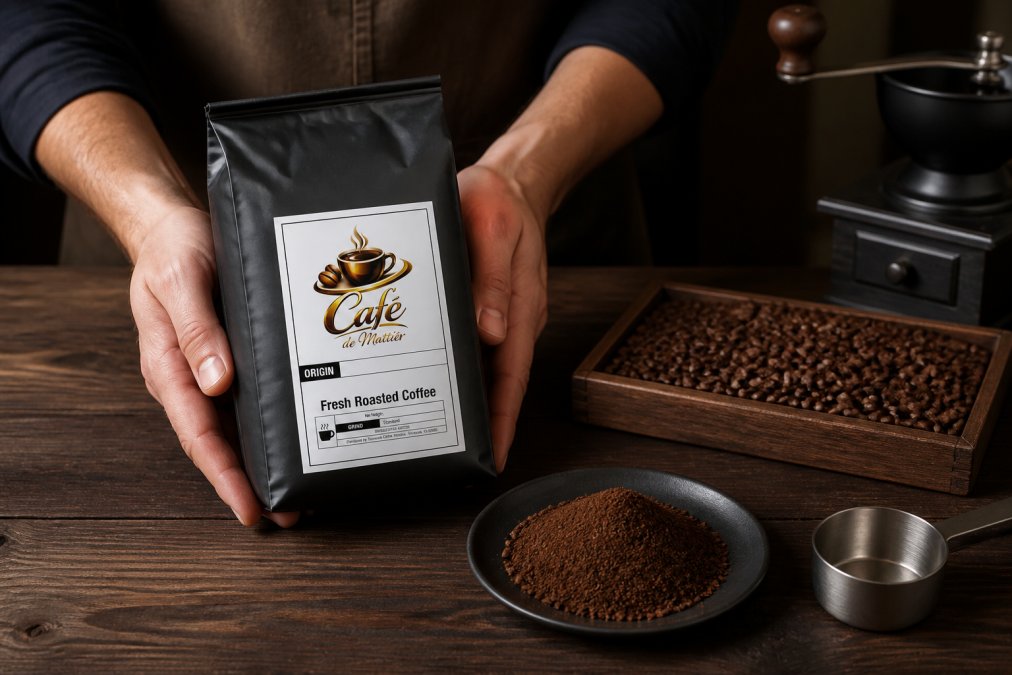
Look for single-origin or micro-lot designations. The bag should list country, region, altitude, and processing method. Specialty roasters are proud of their sources and want you to know exactly where your beans came from. Check for a cupping score or tasting notes, these aren't marketing fluff if they come from a reputable roaster but rather the result of professional cupping by trained tasters.
Examine the bean itself if possible. High-quality beans should be relatively uniform in size and color, with no visible defects or debris. If buying whole beans, crack one open; the inside should look uniform and dense, not hollow or chalky, indicating proper development during roasting.
Fair trade or direct trade certification means the roaster has a direct relationship with farmers and pays above-market rates. Cafe de Mattier sources from micro-lots and family-owned estates specifically to know the people producing our beans and ensure they're compensated fairly. The roaster's reputation is your best guide; established specialty roasters have built their business on consistency and quality.
Cost-Per-Cup Analysis: Where the Price Premium Goes
A typical 12-ounce bag of artisanal coffee costs around $23.99 and yields roughly 30 cups, making the cost per cup approximately $0.80 (usda.gov). Commercial coffee costs $10-12 per bag, yielding about 30 cups at $0.35-0.40 per cup. Artisanal coffee costs roughly twice as much per cup, but this comparison misses what you're actually getting.
The price difference breaks down as follows: direct sourcing and fair compensation to farmers accounts for roughly 25-30% of the premium. Small-batch roasting and careful labor adds another 20-25%. Packaging that preserves freshness and includes roast dates adds about 10%. The remaining premium reflects the roaster's overhead, expertise, and margin.
Is $0.80 per cup worth it? That depends on what you value. If coffee is just caffeine delivery, no. If you drink it mindfully and appreciate flavor complexity, yes. The sensory difference between commodity and specialty beans is substantial enough that many people find the upgrade justified for their daily ritual. Once you've tasted really good coffee, going back to commercial blends feels like a downgrade.
The Diminishing Returns Threshold: When More Expensive Stops Meaning Better
There's a point where coffee price stops correlating with quality. Beyond that point, you're paying for rarity, exclusivity, or branding, not for a meaningfully better cup. The specialty coffee quality sweet spot is roughly $20-28 per pound. Within this range, you're getting genuinely excellent beans, careful roasting, and transparent sourcing. The sensory difference between a $15 specialty coffee and a $25 one is real and noticeable. The difference between a $25 coffee and a $60 one is much smaller.
Beyond $40-50 per pound, you're entering territory of micro-lots so small that only a handful of bags exist, or beans from specific competitions or auctions. These coffees can be exceptional, but in subtle ways. If you don't have a highly developed palate, you might not perceive the difference. Even if you do, the improvement is incremental, not transformative.
If you're new to specialty coffee, start in the $20-25 range, where you get the best value and genuine quality without paying for rarity. Cafe de Mattier's single-origin offerings like our Ethiopia Natural, Guatemala, Kenya, and Sumatra are all priced at $23.99, squarely in this sweet spot. You're getting direct-trade beans, careful small-batch roasting, and complexity that will be obvious compared to commercial coffee. If you've been drinking specialty coffee regularly for a few years and want to explore further, moving into the $30-40 range makes sense. Beyond that, the decision becomes more about collecting and exploration than finding a better daily coffee.

Is Artisanal Coffee Worth It for Your Situation
Whether artisanal coffee is worth the price comes down to three specific questions about your own situation.
First: Do you actually taste the difference? This isn't about having a refined palate, it's about whether you notice when coffee tastes different. If you drink coffee on autopilot, you probably won't appreciate specialty coffee. If you ever pause to notice how your coffee tastes, you will. The difference is that obvious once you try it side by side.
Second: Are you willing to pay attention to freshness? Artisanal coffee requires slightly more care than commercial coffee. You need to check roast dates, store beans in an airtight container away from light and heat, and use them within a reasonable window. If this feels like a burden, artisanal coffee might frustrate you.
Third: Does the sourcing and ethics matter to you? If you care about where your coffee comes from and whether farmers are compensated fairly, artisanal coffee aligns with those values. Direct trade and micro-lot sourcing mean your premium goes toward farmer income, not just branding.
If you answered yes to at least two of these questions, artisanal coffee is worth trying. Start with a single-origin bean that appeals to you based on flavor notes. Brew it carefully, use filtered water, grind just before brewing, and pay attention to how it tastes. Compare it directly to a commercial coffee you normally drink. The difference will tell you whether the price premium makes sense for your situation.
The honest answer is yes, but only for you if you meet the conditions above. For someone who drinks coffee mindlessly and doesn't care about sourcing, commodity coffee is fine. For someone who values flavor, pays attention to freshness, and cares about ethics, artisanal coffee is a worthwhile investment. The cost-per-cup difference is modest enough that it shouldn't be the deciding factor. The question is whether you're the kind of person who will actually appreciate what you're paying for.
The real cost of artisanal coffee is the attention it requires and the expectation that you'll actually notice the difference. If you're willing to invest both, artisanal coffee delivers a sensory experience that commodity coffee simply can't match. Subscribe to our emails at Cafe de Mattier to explore single-origin beans from micro-lots and family-owned estates, and discover how small-batch roasting and French-inspired slow-roast techniques can elevate your morning ritual into a moment of genuine reflection and complexity.
Frequently Asked Questions
Q: Is artisanal coffee really worth the extra cost compared to regular coffee?
A: Artisanal coffee offers measurable differences: single-origin beans from specialty-grade lots, small-batch roasting that preserves flavor complexity, and direct-trade relationships that ensure freshness and ethical sourcing. Whether it's worth the premium depends on your priorities. If taste, freshness, and supply chain transparency matter to you, the investment pays off. If convenience and speed are your only concerns, standard coffee may suit you fine. Most enthusiasts find the sensory experience, the floral notes, balanced body, and tasting complexity, justifies the price once they've tasted the difference.
Q: What makes small-batch roasting better than commercial roasting?
A: Small-batch roasting allows roasters to control temperature, airflow, and timing with precision, bringing out each bean's unique flavor profile. Commercial roasting prioritizes speed and volume, which can mask subtle notes and create a flatter taste. Small-batch roasters also roast to order, ensuring your beans are fresh, typically within days of roasting, rather than sitting on shelves for months. This freshness directly impacts extraction quality and the sensory experience in your cup.
Q: How do I know if coffee beans are actually high-quality and ethically sourced?
A: Look for these markers: roast date (should be recent, within 2-4 weeks), single-origin designation with specific region and altitude, cupping score (80+ indicates specialty-grade), and post-harvest processing details. Ethical sourcing is verified through direct-trade certifications, family-owned estate sourcing, or fair-trade labels. Ask the roaster about their supply chain, reputable artisanal roasters can trace beans back to specific farms and cooperatives. Micro-lot coffees from named growers or smallholder cooperatives indicate transparency and direct relationships.
Q: At what price point does artisanal coffee stop being worth the money?
A: The diminishing returns threshold typically occurs around $30-35 per bag for most drinkers. Below $25, you're in the sweet spot for quality specialty coffee with fair-trade practices. Between $25-35, you're paying for exceptional single-origins or rare micro-lots. Above $35, you're entering collector territory where each dollar adds marginal flavor improvement. Your own palate maturity matters too, if you can't yet detect tasting notes, expensive beans won't feel worth it. Start with quality artisanal beans in the $20-25 range and upgrade only after you've developed your taste.
This article was written using GrandRanker