

Mastering the Art of Choosing Specialty Coffee Beans in 5 Simple Steps
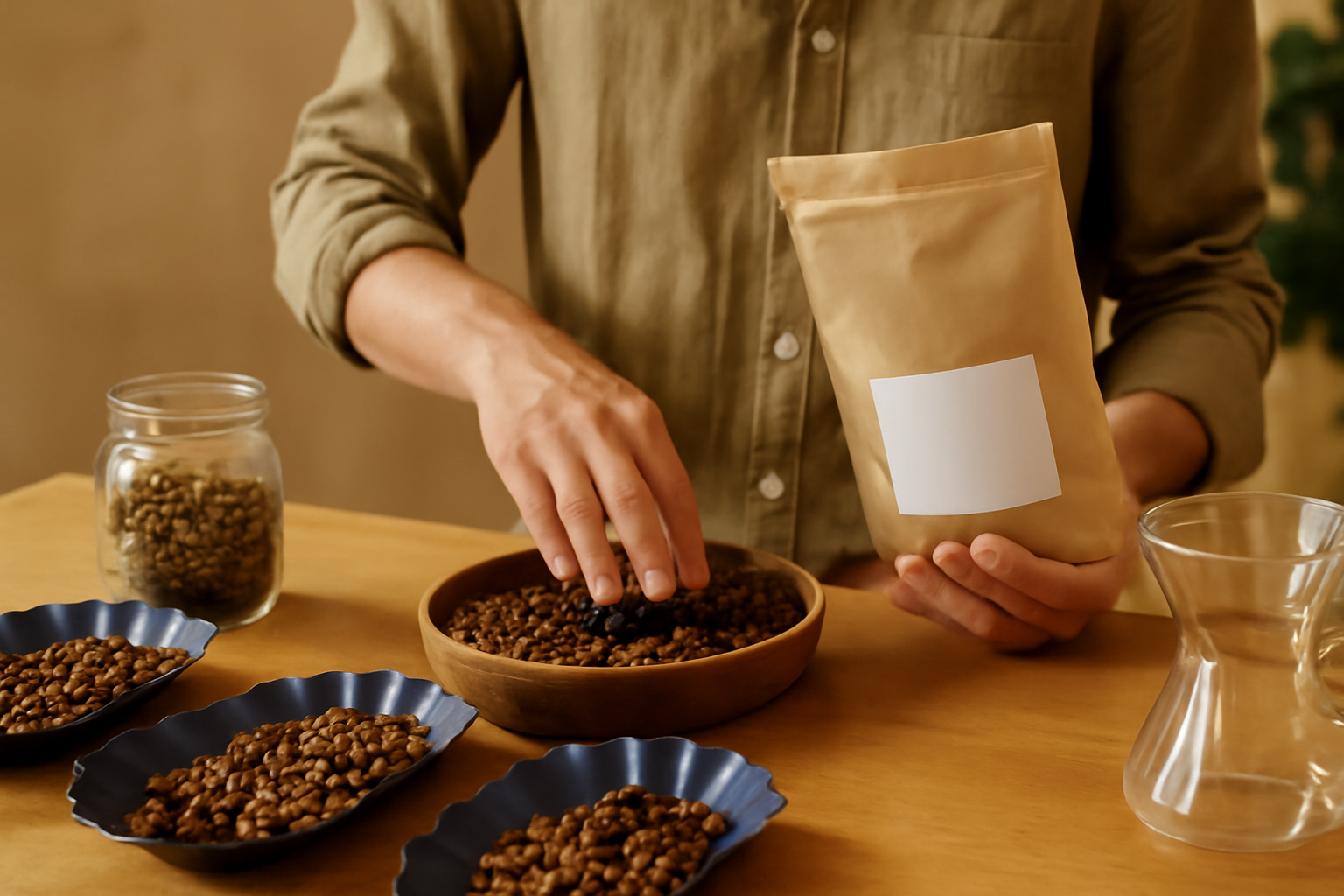
Choosing the right specialty coffee beans can transform your home brewing experience and elevate your daily ritual. With a plethora of options available, it can feel overwhelming to find the perfect beans that suit your taste and brewing method. This guide will walk you through the essential steps to make an informed choice and enjoy café-quality coffee in the comfort of your home.
Whether you're a busy mom, an entrepreneur, or a college student, understanding how to choose specialty coffee beans can enhance your coffee experience. Let's dive into the process and uncover the secrets to selecting the best beans for your coffee lovers collection.
Table of Contents
Step 1: Understand Your Coffee Preferences
Before you start browsing for specialty coffee beans, it's crucial to identify your taste preferences. This will guide you in selecting the right flavor profile, roast level, and origin. The Comprehensive Guide to Coffee: Understanding Single Origin, Specialty, and More.
Flavor Profiles
Coffee beans come in various flavor profiles, such as fruity, nutty, chocolatey, or earthy. Consider what you enjoy in a cup of coffee. Do you prefer a bright acidity or a smooth, mellow taste? Understanding these nuances will help narrow down your choices. coffee culture trends.
Roast Levels
Roast levels range from light to dark, each producing distinct flavors. Light roasts often highlight the bean's natural characteristics, while dark roasts tend to have a bolder, more robust flavor. Experiment with different roast levels to discover your favorite.
Geographic Origins
The origin of the coffee bean can significantly influence its flavor. For instance, Ethiopian beans are often floral and fruity, while Colombian beans are known for their balanced sweetness. Exploring coffee varieties from different regions can enhance your understanding of your preferences.
Step 2: Research Quality and Sourcing
Once you've identified your preferences, it's time to explore the quality and sourcing of the beans you're considering. Specialty coffee is often grown under strict conditions, ensuring high-quality production. Understanding these aspects can significantly enhance your coffee experience.
Look for Certifications
Certifications like organic and fair-trade indicate that the coffee is produced sustainably and ethically. These certifications can also enhance the flavor and quality of the beans, making them a great choice for conscientious coffee lovers. Here's how you can effectively evaluate certifications:
- Organic Certification: Look for beans that are certified organic by recognized organizations. This means no synthetic fertilizers or pesticides were used, allowing the coffee to develop its natural flavors.
- Fair-Trade Certification: This ensures that farmers receive fair compensation for their work and that sustainable farming practices are in place. It often results in better quality beans as farmers invest more in their crops.
- Rainforest Alliance or Bird-Friendly: These certifications focus on biodiversity and environmental sustainability, which can lead to unique flavor profiles in the coffee.
When shopping, check the packaging for these certifications and research the companies behind the brands. Many reputable roasters will share their sourcing practices on their websites, providing transparency about their supply chains.
Small-Batch Roasting
Opt for small-batch roasted coffee beans whenever possible. This method ensures freshness and allows for better control over the roasting process, resulting in superior flavor profiles. Here are some practical steps to find small-batch roasted coffee:
- Research Local Roasters: Visit local coffee shops or roasteries. Many will sell their beans directly to consumers and often have their roasting dates printed on the packaging. This ensures you're getting the freshest coffee available.
- Subscription Services: Consider signing up for a coffee subscription service that specializes in small-batch roasters. These services often curate selections from various roasters, allowing you to try different flavors and origins without committing to a large quantity.
- Ask Questions: Don't hesitate to ask the roaster about their process. Inquire about the origin of the beans, the roast date, and their sourcing practices. A passionate roaster will be happy to share this information.
By focusing on small-batch roasters, you not only support local businesses but also get to enjoy coffee that is often fresher and more flavorful than mass-produced options. Remember, the roasting date is crucial; aim to purchase beans that have been roasted within the last two weeks for optimal freshness.
Understanding Bean Origins
The origin of coffee beans plays a significant role in their flavor profile. Different regions produce beans with distinct characteristics due to variations in soil, climate, and processing methods. Here's how to navigate bean origins:
- Single-Origin vs. Blends: Single-origin coffees come from one location, showcasing unique flavors specific to that region. Blends combine beans from different origins to create balanced flavors. Decide which type suits your palate better.
- Regional Characteristics: Familiarize yourself with the flavor notes associated with various regions. For example, Ethiopian coffees tend to have fruity and floral notes, while Colombian coffees are often nutty and chocolatey. This knowledge can guide your choices.
- Processing Methods: Coffee beans can be processed in various ways, such as washed, natural, or honey-processed. Each method influences the final taste. Research these processes to understand how they affect flavor.
By considering the origin and processing of the beans, you can select coffees that align with your taste preferences and support ethical sourcing practices.
Step 3: Check for Freshness
Freshness is key to a great cup of coffee. Coffee beans begin to lose their flavor shortly after roasting, so it's essential to choose freshly roasted beans. The taste and aroma of your coffee can significantly diminish if the beans are stale, making this step crucial in your selection process.
Roast Date
Always check the roast date on the packaging. Ideally, you should consume coffee within a few weeks of roasting. Look for a roast date that is clearly printed on the bag, as this will give you a good indication of its freshness. Many brands offer coffee subscription boxes that deliver freshly roasted beans, ensuring optimal freshness for your brewing needs. If you're unsure about the freshness of a bag, consider these tips:
- Choose local roasters: Supporting local coffee roasters can often mean fresher beans, as they may roast in smaller batches and distribute quickly.
- Ask about their roasting schedule: Some roasters have specific days when they roast their beans, allowing you to time your purchase right after a fresh roast.
- Look for specialty shops: Specialty coffee shops often prioritize freshness and quality, making them a reliable source for your beans.
Storage Conditions
How you store your coffee beans can also affect their freshness. Look for beans packaged in airtight bags with one-way valves, which allow gases to escape without letting oxygen in. This packaging helps preserve the beans' flavor and aroma. Here are some best practices for storing your coffee beans:
- Keep them in a cool, dark place: Avoid storing your coffee beans in direct sunlight or near heat sources, as this can accelerate the deterioration of flavor compounds.
- Use an airtight container: If you transfer your beans from their original packaging, ensure you use a container that seals tightly to prevent air exposure.
- Avoid the fridge or freezer: While it may seem like a good idea, storing coffee beans in the fridge or freezer can lead to moisture absorption and flavor loss. Instead, opt for a pantry or cupboard.
By following these storage guidelines, you can maintain the quality of your coffee beans for a longer period, ensuring that each cup you brew is as fresh and flavorful as possible. Remember, the goal is to enjoy the rich, complex flavors that specialty coffee beans offer, and freshness plays a pivotal role in achieving that experience.
Step 4: Experiment with Different Brewing Methods
Your brewing method can greatly influence the taste of your coffee. Different beans perform better with specific brewing techniques, so it's worth experimenting with various options.
Brew Techniques
Whether you prefer a French press, pour-over, or espresso machine, each method extracts flavors differently. For instance, a French press can enhance the body of a coffee, while pour-over methods highlight acidity. Consider the brewing techniques that align with your preferences when choosing beans.
Pairing Beans with Methods
Some beans are better suited for certain methods. For example, lighter roasts are fantastic for pour-over coffee, while medium roasts may work well in espresso. Don't hesitate to ask for recommendations based on your brewing style when purchasing your specialty coffee beans.
Step 5: Use a Simple Checklist for Your Purchase
To streamline your selection process, create a checklist to ensure you consider all the essential elements when buying specialty coffee beans. This approach not only simplifies your decision-making but also enhances your overall coffee experience by aligning your choices with your preferences and brewing methods.
- Identify your flavor preferences (fruity, nutty, chocolatey, floral, etc.). Consider keeping a flavor wheel handy to help you articulate your tastes better. For instance, if you enjoy fruity notes, look for beans from regions like Ethiopia or Kenya.
- Consider the roast level (light, medium, dark). Light roasts often highlight the bean's origin flavors, while dark roasts provide a bold, rich taste. If you're unsure, try a sampler pack that includes various roast levels to discover your favorite.
- Research the origin of the beans. Different regions produce distinct flavor profiles. For example, South American coffees tend to be smooth and mild, while African coffees can be bright and acidic. Understanding the origin can guide your selection based on your taste preferences.
- Check for certifications (organic, fair-trade). These certifications ensure ethical sourcing and quality. Organic beans are grown without synthetic fertilizers or pesticides, while fair-trade certification supports fair wages for farmers. Look for these labels to make a responsible choice.
- Look for small-batch roasted options. Small-batch roasters often prioritize quality over quantity, resulting in fresher and more flavorful coffee. Research local roasters or specialty online shops that focus on small-batch production to find unique offerings.
- Verify the roast date for freshness. Freshly roasted coffee is crucial for optimal flavor. Aim to purchase beans that have been roasted within the last two weeks. If possible, buy directly from roasters who provide clear roast dates on their packaging.
- Match beans with your preferred brewing method. Different brewing methods can extract flavors differently. For instance, if you use a French press, you might prefer a coarser grind and a medium roast for a balanced cup. Conversely, for espresso, a finer grind and a darker roast may yield better results.
Sample Checklist Template
To help you get started, here's a simple checklist template you can customize based on your preferences:
- Flavor Profile: ______________________
- Roast Level: ______________________
- Origin: ______________________
- Certifications: ______________________
- Roasting Method: ______________________
- Freshness (Roast Date): ______________________
- Brewing Method: ______________________
Common Mistakes to Avoid
When using your checklist, be mindful of these common pitfalls:
- Ignoring Freshness: Always prioritize the roast date. Buying old beans can lead to a flat taste.
- Overlooking Flavor Preferences: Don't choose beans based solely on popularity; ensure they align with your specific taste.
- Neglecting Brewing Compatibility: Selecting beans without considering your brewing method can result in a disappointing cup.
By following this checklist, you can make informed choices that enhance your coffee-drinking experience and ensure you enjoy every cup to its fullest potential.
Conclusion
Choosing the right specialty coffee beans doesn't have to be daunting. By understanding your preferences, researching quality sources, checking for freshness, experimenting with brewing methods, and utilizing a simple checklist, you can confidently select beans that enhance your coffee experience. Start by exploring organic coffee subscriptions that offer a premium coffee selection tailored to your tastes, and enjoy the convenience of coffee subscriptions to keep your pantry stocked with delightful options.
Final Checklist for Choosing Specialty Coffee Beans
- Identify Your Flavor Preferences: Consider whether you enjoy fruity, nutty, chocolaty, or floral notes. This will guide your selection.
- Research Roasters: Look for reputable roasters known for their quality and ethical sourcing practices. Read reviews and ask for recommendations.
- Check Roast Dates: Always select beans that have a recent roast date. Freshness is key to flavor.
- Experiment with Grind Size: Depending on your brewing method, the grind size can significantly affect taste. Try different sizes to find what works best.
- Consider the Origin: Different regions produce distinct flavor profiles. Explore beans from various countries to find your favorites.
- Try Different Brewing Methods: Whether it's pour-over, French press, or espresso, the method can influence your coffee's taste. Experiment to discover your ideal brew.
- Keep Notes: Document your experiences with different beans, noting what you enjoyed and what you didn't. This will help refine your choices in the future.
Common Mistakes to Avoid
- Ignoring the Roast Date: Using stale beans can lead to a disappointing cup of coffee. Always prioritize freshness.
- Overlooking Grind Size: Using the wrong grind size for your brewing method can result in bitter or weak coffee. Adjust accordingly.
- Sticking to One Type: Don't limit yourself to a single flavor profile or origin. Explore different beans to expand your palate.
- Not Asking for Help: Don't hesitate to reach out to coffee experts or baristas for recommendations tailored to your taste.
Next Steps
Once you've made your selections, consider setting up a tasting at home. Gather a few different types of beans, brew them side by side, and invite friends or family to join you in discovering the nuances of each. This can be a fun and educational experience that deepens your appreciation for specialty coffee.
With these practical steps and insights, you are now equipped to choose specialty coffee beans confidently. Embrace the journey of discovering your perfect cup, and enjoy the delightful flavors that high-quality coffee can bring to your daily routine.