

How to Store Artisanal Coffee Beans: A 2026 Guide
Table of Contents
- Why Artisanal Coffee Beans Lose Freshness So Fast
- How to Store Artisanal Coffee Beans: The Four Enemies to Fight
- Best Coffee Storage Containers: Materials That Actually Protect Beans
- How Long Do Coffee Beans Stay Fresh? A Realistic Timeline
- Freezing Coffee Beans Pros and Cons: When Cold Storage Helps
- Climate-Specific Storage: Humidity, Heat, and Altitude
- Step-by-Step: How to Store Artisanal Coffee Beans for Peak Flavor
- Frequently Asked Questions
Last Updated: September 11, 2026
Why Artisanal Coffee Beans Lose Freshness So Fast
Great coffee starts to fade the moment the roast cools, and the culprit is chemistry, not neglect. Once beans leave the roaster, oxygen, moisture, heat, and light begin breaking down the volatile compounds that create aroma and flavor. This guide from Cafe de Mattier explains exactly how to store artisanal coffee beans so every cup tastes the way the roaster intended.
Volatile compounds are the aromatic oils and gases responsible for a coffee's floral, fruity, or chocolate notes. They are fragile. Oxygen exposure triggers oxidation, which turns bright acidity flat and introduces a papery, cardboard-like taste. Moisture speeds that decline and can encourage mold. Heat accelerates every chemical reaction. Light, especially UV light, degrades oils on contact.
What most guides miss is that artisanal beans are more vulnerable than supermarket coffee, not less. A dark, heavily roasted commodity bean has already lost much of its nuance, so staleness hides. A light, fruit-forward micro-lot from a family-owned estate shows every flaw. The same delicacy that makes it worth buying is what makes storage critical.
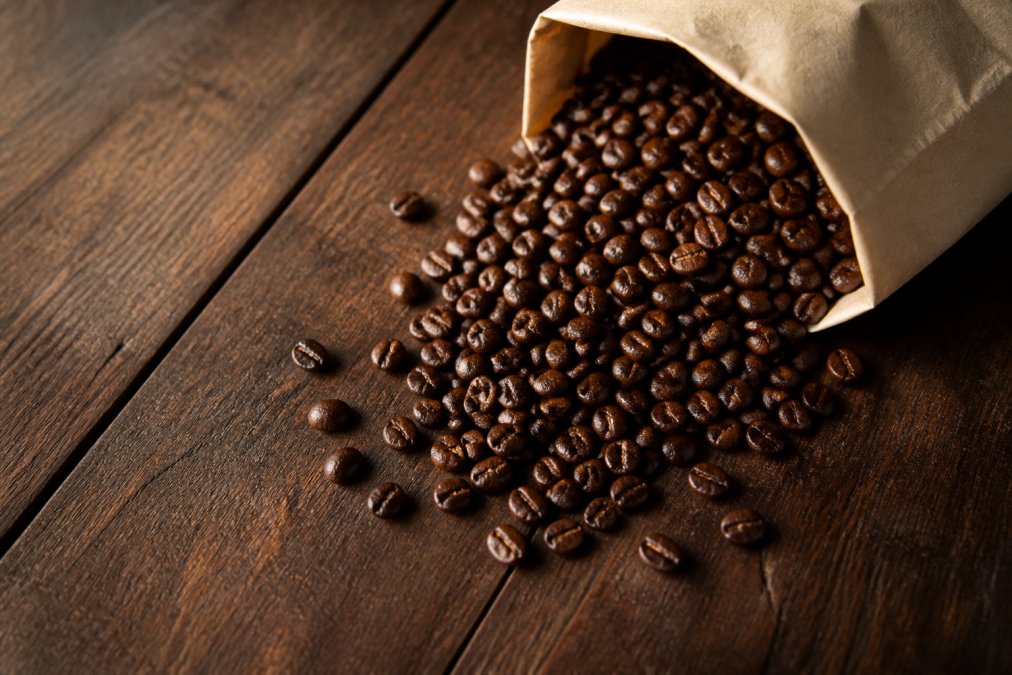
How to Store Artisanal Coffee Beans: The Four Enemies to Fight
The four enemies of coffee freshness are oxygen, moisture, heat, and light. Beat all four and your beans hold their peak flavor for weeks. Lose to any one and the others compound the damage.
Oxygen and Oxidation
Oxidation is the primary driver of stale coffee. Every time you open a bag, fresh oxygen rushes in and begins reacting with the oils. The fix is to minimize air exposure and the number of times you open the container.
Moisture, Heat, and Light
Moisture, heat, and light work as a team. Humidity introduces water that degrades oils and clumps grounds. Heat speeds oxidation. UV light breaks down volatile compounds directly. Store beans somewhere cool, dry, and dark, never on top of the espresso machine or in a sunny windowsill.
Best Coffee Storage Containers: Materials That Actually Protect Beans
The best coffee storage containers are opaque, airtight, and sized to hold only what you'll use in a week or two. Material matters more than brand. Glass, ceramic, and stainless steel all block light and won't transfer odors. Clear plastic fails on the light front unless it lives in a dark cabinet.
For the best coffee storage containers, look for four traits:
- Opaque or light-proof walls that block UV light
- An airtight seal to keep oxygen and humidity out
- A one-way valve if you store beans immediately post-roast
- A size matched to your consumption, so you're not opening a large vessel daily
Airtight vs. Vacuum-Sealed: What Works Better
Airtight and vacuum-sealed containers both fight oxygen, but they suit different routines. Airtight containers are resealable and practical for daily use. Vacuum sealers remove nearly all air and are excellent for long-term storage, though the vacuum can pull aromatic oils to the surface over time.
For most people, a quality airtight container with a one-way valve wins on convenience. A common mistake is buying a beautiful container that's too large, then opening it twice a day.
The One-Way Degassing Valve Explained
A one-way degassing valve is a small membrane that lets carbon dioxide escape while blocking outside air from entering. After roasting, beans release CO2 for days. Without a valve, that gas builds pressure and forces aroma out when you open the lid. The valve is why the original packaging is often the best container you already own.
How Long Do Coffee Beans Stay Fresh? A Realistic Timeline
Whole beans stay fresh for roughly two to four weeks after the roast date when stored properly, and peak flavor often lands in the first week to ten days (peer-reviewed research). Ground coffee deteriorates far faster, often within days, because grinding exposes vastly more surface area to oxygen.
| Storage Method | Approximate Freshness Window | Best For |
|---|---|---|
| Original valve bag, sealed | 2-4 weeks | Everyday drinking |
| Airtight opaque canister | 2-4 weeks | Daily countertop use |
| Vacuum-sealed | 1-3 months | Bulk or infrequent use |
| Freezer, airtight portions | 2-3 months | Long-term holding |
The freshness window shrinks fast once oxygen, heat, or humidity get involved. Roast date, not a "best by" stamp, is your real reference point.
Signs Your Beans Have Gone Stale
Stale beans announce themselves. Watch for these signals:
- Flat aroma with no floral or fruity notes when you open the bag
- Papery or cardboard taste in the cup
- Dull, matte surface instead of a slight sheen from natural oils
- No bloom when hot water hits fresh grounds
If your coffee tastes hollow no matter how you brew it, storage is usually the reason.
Freezing Coffee Beans Pros and Cons: When Cold Storage Helps
Freezing coffee beans works well when done correctly, and fails badly when done carelessly (peer-reviewed research). The pros: cold storage slows oxidation dramatically, extending freshness for months. The cons: every freeze-thaw cycle introduces condensation, and moisture is enemy number two.
Freeze in airtight, single-use portions. Let a portion come fully to room temperature before opening it. Never refreeze, and never store beans in the door where temperature swings. Freezer burn, the same drying that ruins frozen food, flattens coffee oils too.
Climate-Specific Storage: Humidity, Heat, and Altitude
Most storage guides assume a mild, dry kitchen. That assumption breaks down across much of the country, and it breaks down hardest for the delicate light roasts artisanal buyers favor. Climate changes which of the four enemies is doing the most damage, and therefore which countermeasure matters most.
High-Humidity Environments
In humid climates, moisture is the dominant threat, and it attacks on two fronts. First, water vapor in the air degrades the oils that carry aroma. Second, and more insidiously, humidity inside a storage container can push beans above a moisture level where mold and off-flavors develop. A bean that absorbs ambient moisture also brews differently, extraction shifts, and the cup can taste muddy or muted even before true staleness sets in.
Practical countermeasures for humid conditions:
- Add a food-safe desiccant pack (silica gel) to the storage container. Replace it on a schedule, most change color or come with an indicator when saturated.
- Minimize headspace. The more air in the container, the more moisture reservoir you are carrying. Match container size to the amount of beans.
- Avoid the refrigerator entirely. The fridge is a high-humidity environment, and pulling a cold container into warm humid air causes condensation on the beans the moment you open it.
- Buy smaller quantities more often. In high humidity, the freshness window is effectively shorter, so a two-week supply beats a two-month supply.
High-Heat Environments
Heat accelerates every chemical reaction, including oxidation. A container sitting near a stove, on top of an espresso machine, or in a sunlit window can run well above room temperature for hours a day, and that thermal cycling does cumulative damage. The goal is not just "cool" but thermally stable, a spot that stays roughly the same temperature around the clock.
- Keep beans away from appliances that radiate heat, the espresso machine, the oven, the refrigerator's exhaust.
- Choose an interior cabinet over an open shelf. Cabinets buffer both temperature swings and light.
- In extreme heat, the freezer becomes the better default for any beans you will not finish within a week or two, provided you portion and thaw correctly (see the freezing section above).
High-Altitude Environments
At elevation, lower atmospheric pressure means gases expand and escape more readily. Beans degas faster, which shortens the window during which a one-way valve is doing useful work and pushes the beans toward oxidation sooner. Two adjustments help:
- Prioritize a one-way valve even more than at sea level, so the accelerated CO2 release has a controlled path out rather than building pressure in a sealed jar.
- Shorten your buy cycle. If you normally buy a month's supply, consider two weeks at altitude, since the effective freshness window compresses.
Travel and Camping Storage
On the move, you lose control of temperature, light, and humidity all at once, so the strategy shifts from optimization to damage limitation. Portion beans into small, single-use airtight bags before you leave, this avoids repeatedly opening one large container in variable conditions. A compact valve container works for shorter trips. Grind just before brewing whenever possible, because pre-ground coffee exposes vastly more surface area and deteriorates within days regardless of how well you store it. If you are camping in heat or humidity, treat the trip as a short-window scenario: bring only what you will drink, and accept that a few days of imperfect storage beats carrying a large supply that goes stale.
Step-by-Step: How to Store Artisanal Coffee Beans for Peak Flavor
Follow these steps to store artisanal coffee with confidence:
- Check the roast date. Buy from roasters who print it, and aim to use beans within a few weeks.
- Keep beans whole. Grind right before brewing to preserve aroma and volatile compounds.
- Transfer to an airtight, opaque container once the original bag is opened, or reseal the valve bag tightly.
- Store at room temperature, away from heat, light, and humidity.
- For long-term holding, freeze in single-use portions and thaw fully before opening.
- Buy in quantities you'll finish within the freshness window. Small-batch roasters roast in limited runs for exactly this reason.
For busy mornings, Cafe de Mattier's single-serve capsules are sealed with no oxygen inside, so the coffee stays fresh without any countertop ritual. If you prefer to weigh and grind, our small-batch roasts reward careful storage with the complexity and floral notes they were built to deliver.

Frequently Asked Questions
What is the best way to store fresh coffee beans to keep them fresh?
Keep beans in an opaque, airtight container at room temperature, away from light, heat, and moisture. The original bag with its one-way valve works well if you seal it tightly. Avoid clear glass jars on sunny counters and never store beans in the fridge, where condensation and food odors ruin flavor. For long-term storage beyond two weeks, freezing in an airtight vacuum-sealed bag is a better option.
Should you store artisanal coffee in the freezer or pantry?
For beans you will finish within two weeks, the pantry is best. For longer storage, freezing works well if you use an airtight, vacuum-sealed bag and thaw the beans fully before grinding. The pros of freezing include extended shelf life and preserved volatile compounds; the cons include freezer burn risk, condensation during thawing, and flavor absorption from nearby foods. Never refreeze thawed beans.
How long do coffee beans stay fresh in a sealed bag?
Whole beans in an unopened, valve-sealed bag stay at peak flavor for about two to four weeks after the roast date. After opening, quality drops faster, typically within seven to ten days. Ground coffee loses aroma within days. For the best cup, buy beans with a visible roast date and use them within a month of roasting, storing them properly between brews.
Does light and heat affect the flavor profile of micro-lot coffee?
Yes. UV light breaks down volatile compounds that carry floral and fruit notes, while heat accelerates oxidation and drives off aroma. Store micro-lot coffee in an opaque, light-proof container in a cool spot away from the stove, oven, or sunny windowsill. A pantry shelf at room temperature keeps the ambient environment stable and protects the delicate flavor profile of artisanal beans.
Storing artisanal coffee well is really about respecting what you paid for: delicate, small-batch beans that deserve better than a sunny shelf. Cafe de Mattier roasts in small batches from micro-lots and family-owned estates, using French-inspired slow-roast techniques that produce a silk-like body and balanced flavor. Subscribe to our emails and let us help you keep every cup as bright as the day it was roasted.