

Single Origin Coffee FAQ: 12 Common Questions Answered
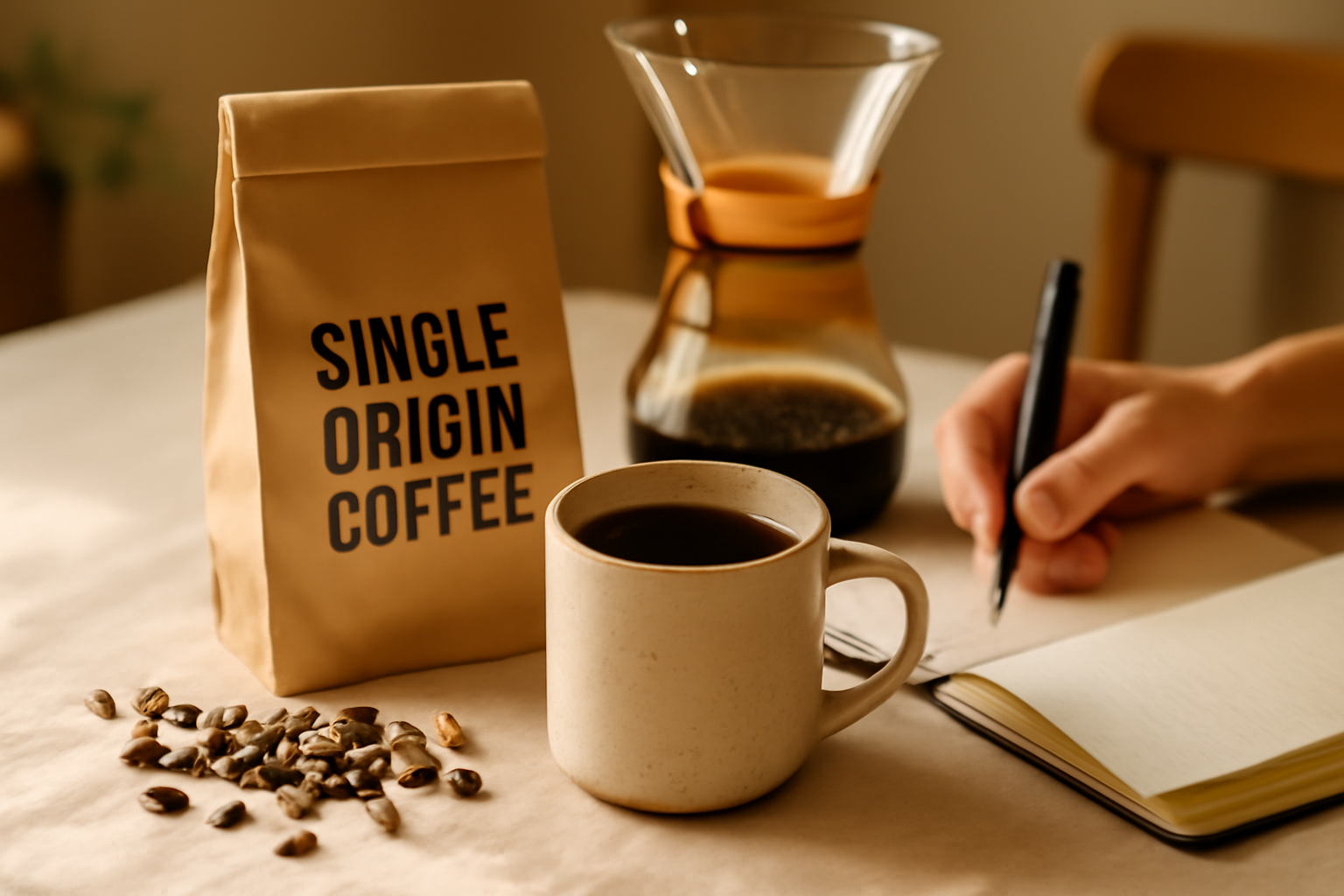
Single origin coffee has become a popular choice among coffee enthusiasts, offering unique flavors and characteristics that reflect their specific growing regions. Understanding what single origin coffee means can enhance your coffee-drinking experience and help you appreciate the nuances in every cup.
This FAQ aims to clarify common questions surrounding single origin coffee, providing insights into its sourcing, taste profiles, and more. Whether you're new to the coffee scene or looking to deepen your knowledge, this guide will offer the information you need.
Table of Contents
- What does single origin coffee mean?
- How does single origin coffee differ from blended coffee?
- What are the benefits of drinking single origin coffee?
- Is single origin coffee always more expensive?
- How can I tell if a coffee is single origin?
- What flavor profiles can I expect from single origin coffee?
- Can single origin coffee be used for espresso?
- What are some popular single origin coffee regions?
- Is specialty coffee worth it?
- How can I brew single origin coffee at home?
- What should I consider when choosing single origin coffee?
- How can a coffee subscription box enhance my single origin experience?
What does single origin coffee mean?
Single origin coffee refers to coffee sourced from one specific location, such as a single farm, region, or country. This term highlights the unique qualities of the coffee that are influenced by the local climate, soil, and cultivation practices. Unlike blends, which combine beans from various origins, single origin coffee allows drinkers to experience the distinct flavors and characteristics tied to that particular area. The Comprehensive Guide to Coffee: Understanding Single Origin, Specialty, and More.
How does single origin coffee differ from blended coffee?
The main difference lies in the sourcing. Single origin coffee comes from one specific location, while blended coffee combines beans from multiple origins to create a balanced flavor profile. Single origin coffee often showcases unique flavor notes that reflect the terroir of its origin, whereas blends are crafted to achieve a more uniform taste. This allows for a diverse tasting experience with single origins, catering to those who appreciate distinct flavors. coffee pricing questions.
What are the benefits of drinking single origin coffee?
Drinking single origin coffee offers several benefits. Firstly, it provides a unique flavor profile that represents the specific location it comes from. This can enhance your appreciation for coffee's complexity. Secondly, single origin coffees are often sourced from smaller farms that engage in sustainable practices, allowing you to support fair-trade and organic farming. Lastly, it allows for a greater exploration of coffee varieties and their unique characteristics.
Is single origin coffee always more expensive?
Single origin coffee can be more expensive than typical blended options, primarily due to the careful cultivation and often smaller harvests associated with specific regions. Factors such as the rarity of the beans, the quality of the growing conditions, and the cost of labor can contribute to the higher price. However, prices can vary widely based on the brand and the quality of the coffee, so it's worth exploring different options.
How can I tell if a coffee is single origin?
Single origin coffee will typically be labeled as such on the packaging. Look for terms like "single origin," the specific farm name, or the region of origin. Reputable coffee brands often provide detailed information about the sourcing of their beans, including tasting notes and cultivation practices. Checking for certifications like fair trade or organic can also be helpful in ensuring quality.
What flavor profiles can I expect from single origin coffee?
The flavor profiles of single origin coffee can vary significantly based on their region of origin. For example, Ethiopian coffees may exhibit floral and fruity notes, while Colombian coffees are often known for their balanced acidity and nutty flavors. Exploring coffee varieties from different regions can reveal a wide range of tastes, making each cup a unique experience.
Can single origin coffee be used for espresso?
Yes, single origin coffee can be used for espresso, though it may require some adjustments in the brewing process. The unique flavor profiles of single origin coffees can shine through in espresso, offering a distinct taste experience. However, some single origins may perform better than others in espresso extraction, so experimentation is key to finding the right match for your palate.
What are some popular single origin coffee regions?
Some of the most popular single origin coffee regions include Ethiopia, Colombia, Costa Rica, Guatemala, and Kenya. Each of these locations is known for producing coffee with unique flavor characteristics that reflect their specific growing conditions. Exploring these regions can provide a deeper understanding of the diversity in coffee flavors and styles.
Ethiopia
Ethiopia is often regarded as the birthplace of coffee, and its beans are celebrated for their bright acidity and floral notes. Ethiopian coffees frequently exhibit flavors of jasmine, bergamot, and citrus, making them a favorite among coffee enthusiasts. The country's diverse microclimates and heirloom varieties contribute to a wide range of flavor profiles.
- Key Varietals: Yirgacheffe, Sidamo, Harrar.
- Flavor Notes: Floral, fruity, tea-like.
- Growing Conditions: High altitudes, rich soil, and ample rainfall.
Colombia
Colombian coffee is renowned for its well-balanced flavor and smooth finish. The country's mountainous terrain and varied climate create ideal conditions for coffee cultivation, resulting in beans that often have a medium body with notes of caramel, nuts, and chocolate. Colombian coffee is a staple in many households and cafes worldwide.
- Key Varietals: Arabica, Castillo, Caturra.
- Flavor Notes: Caramel, nutty, chocolatey.
- Growing Conditions: High elevations, volcanic soil, and consistent rainfall.
Costa Rica
Costa Rican coffee is known for its bright acidity and full-bodied flavor. The country emphasizes quality in its coffee production, often using only Arabica beans. Costa Rican coffees can have a range of flavor notes, including citrus, berry, and chocolate, depending on the region and processing methods used.
- Key Varietals: Arabica, Catuai, Caturra.
- Flavor Notes: Citrus, berry, chocolate.
- Growing Conditions: High altitudes, rich volcanic soil, and microclimates.
Guatemala
Guatemalan coffee is celebrated for its complex flavors and rich body. The diverse growing regions, such as Antigua and Huehuetenango, produce beans with distinct characteristics. Guatemalan coffees often have a chocolatey sweetness complemented by fruity and spicy notes, making them versatile for various brewing methods.
- Key Varietals: Bourbon, Caturra, Pacamara.
- Flavor Notes: Chocolate, spice, fruity.
- Growing Conditions: High elevations, diverse microclimates, and rich soil.
Kenya
Kenyan coffee is known for its vibrant acidity and bold flavors. It often features a unique combination of fruity and wine-like characteristics, with notes of blackcurrant, citrus, and berry. The country's coffee is typically grown at high elevations, which contributes to its distinct flavor profile and aroma.
- Key Varietals: SL28, SL34, Ruiru 11.
- Flavor Notes: Blackcurrant, citrus, berry.
- Growing Conditions: High altitudes, rich volcanic soil, and consistent rainfall.
Exploring Flavor Profiles
When trying single origin coffees from these regions, consider conducting a tasting session. This can help you appreciate the unique characteristics of each coffee. Here's how to get started:
- Select a Variety: Choose one coffee from each region to sample.
- Prepare the Coffee: Use the same brewing method for consistency, whether it's a French press, pour-over, or espresso.
- Taste and Compare: Take notes on the aroma, flavor, acidity, and body of each coffee.
- Discuss Findings: If tasting with friends or family, share your thoughts on which coffee you preferred and why.
By exploring these popular single origin coffee regions, you can enhance your coffee experience and discover new favorites that align with your taste preferences. Each cup tells a story of its origin, making your coffee ritual even more meaningful.
Is specialty coffee worth it?
This question often arises among coffee enthusiasts, especially when considering the price point of specialty coffees. Specialty coffee is typically graded higher due to its quality and unique flavor profiles, making it a worthwhile investment for those who appreciate coffee as an artisanal product. Many people find that the enhanced taste and experience justify the cost, especially when compared to standard grocery store options.
How can I brew single origin coffee at home?
Brew methods for single origin coffee can vary, but common methods include pour-over, French press, and espresso. Each method can highlight different flavor notes. For the best results, pay attention to factors such as grind size, water temperature, and brew time. Experimenting with different brewing techniques can help you discover the best way to enjoy your single origin coffee.
What should I consider when choosing single origin coffee?
When selecting single origin coffee, consider factors such as the origin, flavor profile, and roast level. Think about what flavors you enjoy and how you plan to brew the coffee. Additionally, consider the sourcing practices behind the coffee. Choosing brands that prioritize sustainability and fair trade can enhance your coffee experience while supporting ethical practices.
1. Origin
The origin of the coffee bean can significantly influence its flavor and aroma. Different regions produce beans with distinct characteristics due to variations in climate, soil, and cultivation methods. Here are some key coffee-producing regions to consider:
- Ethiopia: Known for its fruity and floral notes, Ethiopian coffees often have a wine-like acidity.
- Colombia: Colombian coffees are generally well-balanced with a mild flavor and a hint of nuttiness.
- Sumatra: Coffees from Sumatra are known for their earthy, full-bodied flavors with low acidity.
- Jamaica: Jamaican Blue Mountain coffee is highly sought after for its smooth, mild flavor and lack of bitterness.
When choosing single origin coffee, research the specific region and its typical flavor profiles to find one that aligns with your preferences.
2. Flavor Profile
Understanding the flavor profile of coffee is crucial for selecting a brew that suits your taste. Single origin coffees can have a range of flavors, including:
- Fruity: Notes of berries, citrus, or stone fruits.
- Nutty: Flavors reminiscent of almonds, hazelnuts, or peanuts.
- Spicy: Hints of cinnamon, clove, or pepper.
- Chocolatey: Rich flavors that can range from milk chocolate to dark chocolate.
Consider trying a coffee tasting flight to explore different flavor profiles. This can help you identify what you enjoy most and guide your future purchases.
3. Roast Level
The roast level of coffee can drastically affect its flavor. Here's a breakdown of common roast levels:
- Light Roast: Retains more of the bean's original flavor, often fruity and acidic.
- Medium Roast: Balances acidity and body, offering a more rounded flavor profile.
- Dark Roast: Has a bolder, more robust flavor with a pronounced bitterness and less acidity.
When choosing single origin coffee, think about how you typically enjoy your coffee. If you prefer a bright and vibrant cup, a light roast may be ideal. If you enjoy a rich and intense flavor, consider a dark roast.
4. Brewing Method
Your brewing method can also impact the flavor and overall experience of your coffee. Different methods extract flavors differently, so consider the following:
- Pour Over: This method highlights the coffee's brightness and complexity, making it ideal for light to medium roasts.
- French Press: This method produces a full-bodied cup, suitable for medium to dark roasts.
- Espresso: Concentrated and intense, espresso works well with medium to dark roasts.
- Cold Brew: This method produces a smooth, less acidic coffee, best suited for medium to dark roasts.
Think about how you usually brew your coffee and choose a single origin that complements your method for the best flavor experience.
5. Sourcing Practices
Finally, consider the ethical implications of your coffee purchase. Look for brands that prioritize:
- Sustainability: Choose coffees grown using environmentally friendly practices.
- Fair Trade: Support farmers who receive fair wages and work under good conditions.
- Organic Certification: Opt for organic coffees that are free from synthetic pesticides and fertilizers.
By choosing brands that align with your values, you can enjoy your coffee knowing you are supporting ethical practices in the industry.
Checklist for Choosing Single Origin Coffee
- Identify your preferred flavor profile.
- Research the origin of the coffee beans.
- Decide on your preferred roast level.
- Consider your brewing method.
- Check the sourcing practices of the brand.
This checklist can help streamline your decision-making process and ensure you select a single origin coffee that you will love.
Common Mistakes to Avoid
- Not researching the origin: Each region has unique flavors; don't overlook this aspect.
- Choosing a roast level without tasting: Always taste before committing to a specific roast.
- Ignoring brewing method compatibility: Ensure the coffee you choose matches your preferred brewing style.
- Overlooking ethical sourcing: Be mindful of the impact your purchase has on farmers and the environment.
Avoiding these common mistakes will enhance your coffee selection experience and help you find the perfect single origin coffee for your palate.
How can a coffee subscription box enhance my single origin experience?
A coffee subscription box can provide you with a curated selection of single origin coffees from various regions, allowing you to explore a diverse range of flavors and profiles without the hassle of sourcing them individually. This can enrich your coffee journey, making it easier to discover new favorites and learn more about the nuances of different origins.
In conclusion, understanding what single origin coffee means and how it differs from other types can significantly enhance your coffee experience. Consider trying out various single origin coffees to discover your favorites and explore the rich diversity of flavors available. Happy brewing!