

What Are Micro Lot Coffee Beans? A 2026 Guide
Table of Contents
- What Are Micro Lot Coffee Beans?
- Single Origin vs Micro Lot: What's the Difference?
- Why Micro Lot Coffee Costs More: Scarcity and Premium Pricing
- How Micro Lots Are Processed: Washed, Natural, and Honey
- Specialty Coffee Sensory Evaluation: How to Taste the Difference
- How to Brew Micro Lot Coffee at Home
- Sustainability and Farmer Compensation in Micro Lot Sourcing
- Conclusion: Making Micro Lots Part of Your Ritual
- Frequently Asked Questions
Last Updated: September 28, 2026
What Are Micro Lot Coffee Beans?
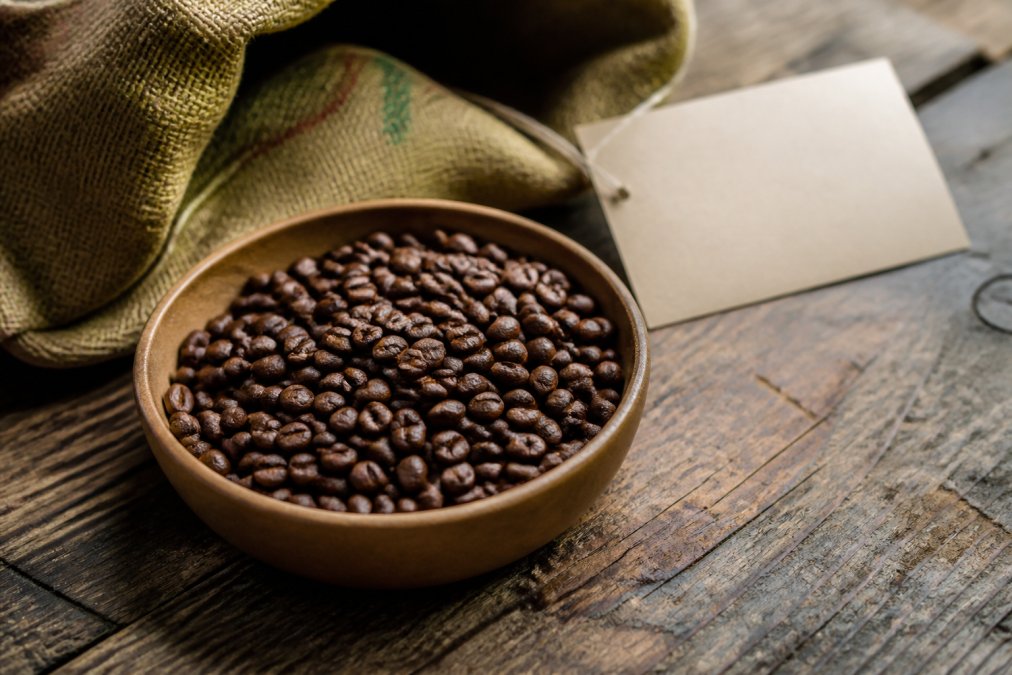
Micro lot coffee beans are harvested from a single, small plot on one farm during one specific harvest, kept separate from the rest of the crop and traceable to that exact origin. At Cafe de Mattier, we source from these micro-lots and family-owned estates because they deliver complexity, floral notes, and a silk-like body commodity coffee cannot match. Where a standard bag blends beans from dozens of farms, a micro lot represents one farmer's best work on one hillside, in one season.
The Role of Traceability and Lot Separation
Traceability is the backbone of the micro lot model. Each lot carries a documented chain from the coffee cherry on a named plot to the green coffee delivered to the roaster, including harvest date, cultivar, and processing method. Without that record, a "micro lot" is just a marketing word.
Single Origin vs Micro Lot: What's the Difference?
Single origin means the coffee comes from one country or one region, while a micro lot narrows that to one farm, one plot, and often one harvest. "Single origin" is a broad umbrella; a micro lot sits at its smallest, most specific end.
Think of it as a set of concentric circles:
- Blend: Beans from multiple origins, combined for balance and consistency.
- Single origin: Beans from one country or region, such as a single-farm or single-cooperative offering.
- Micro lot: Beans from one plot on one farm, one cultivar, one harvest date, kept separate.
| Category | Scope | Traceability | Typical Flavor Character |
|---|---|---|---|
| Blend | Multiple origins | Low | Consistent, balanced |
| Single origin | One region or country | Medium | Regional character |
| Micro lot | One plot, one harvest | High | Distinct, specific terroir |
Why Micro Lot Coffee Costs More: Scarcity and Premium Pricing
Micro lot coffee costs more because every step that creates the lot, selective picking, small-batch processing, repeated cupping, separate milling, costs more per pound than running the whole crop through one channel. The premium is not branding; it is the price of separation, paid at the farm before the coffee reaches a roaster.
Here is where the money actually goes:
- Selective picking. Pickers return to the same rows multiple times to take only ripe cherries, rather than stripping the branch once, more passes, more labor hours, smaller yield per picker per day.
- Micro-batch processing. A few hundred pounds of cherry cannot efficiently fill a commercial drying bed or fermentation tank, so producers use small tanks, raised beds, or hand-turned drums that cost more per pound to run.
- Repeated cupping and sorting. A producer separating a lot typically cups it several times across the harvest to confirm quality, labor and time that does not go into the main crop.
- Identity preservation. The lot must stay physically separate from the main harvest through milling, bagging, shipping, and warehousing. Every handoff risks commingling and adds handling cost.
What the Premium Does for the Farmer
This is the part most buying guides skip. A smallholder selling anonymous cherry into a regional mill is paid on a commodity basis and is a price-taker. One who separates a micro lot and sells it as a named, traceable product negotiates differently: the buyer pays for a specific lot from a specific place, giving the farmer leverage the commodity channel does not offer.
Why the Label Alone Proves Nothing
What most buyers miss is that the premium is not just scarcity pricing. It pays for the labor of lot separation and the risk a farmer takes holding a small batch out of the bulk sale, the real cost behind the price tag, and why a well-sourced micro lot can cost several times a commodity blend.
How Micro Lots Are Processed: Washed, Natural, and Honey
The processing method shapes a micro lot's flavor as much as the farm does. Processing turns the coffee cherry into green coffee, and the three main methods produce noticeably different cups.
- Washed process: The fruit is removed before drying, producing a clean, bright cup that highlights the bean's inherent character and terroir.
- Natural process: The cherry dries whole around the bean, concentrating fruit sugars and producing a heavier, berry-forward flavor profile.
- Honey process: Some fruit mucilage stays on the bean during drying, landing between the two, with sweetness and a rounder body.
Specialty Coffee Sensory Evaluation: How to Taste the Difference
Specialty coffee sensory evaluation means assessing a coffee's flavor profile systematically, using cupping to score aroma, acidity, body, sweetness, and aftertaste. You do not need a lab to do a simplified version at home.
How to Brew Micro Lot Coffee at Home
Brewing a micro lot well means protecting the delicate aromatics that justify the premium. These coffees reward precision, but the routine is simple, and the adjustments suit light-roasted, high-clarity beans rather than the dark commodity roasts most people know.
Start With a Baseline Recipe
A repeatable starting point beats guessing. For pour-over, a ratio around 1:16, one gram of coffee to sixteen grams of water, is a safe opening bid for a light-roasted micro lot, roughly 20 grams of coffee to 320 grams of water per mug. If the cup tastes thin or sour, tighten toward 1:15; if heavy or muddled, loosen toward 1:17.
Match Grind to Method
- Pour-over: medium grind, roughly the texture of table salt.
- French press: medium-coarse, closer to coarse sand.
- Espresso: fine, but expect to dial in more carefully than with a commodity blend, because light micro lots resist extraction.
- Aeropress or moka: medium-fine, between pour-over and espresso.
A burr grinder matters here. A blade grinder produces uneven particles, and with a delicate micro lot that shows up as a cup simultaneously sour and bitter, some grounds under-extracted, some over-extracted. A burr grinder gives an even grind that extracts evenly.
Watch Your Water
Water is the ingredient most home brewers ignore, and it can flatten a micro lot fastest. Coffee is roughly 98 percent water, so its minerals shape what you taste. Very hard water mutes acidity and buries floral notes; very soft or distilled water tastes flat and can under-extract.
Adjust One Variable at a Time
If the cup tastes thin or sour, grind finer; bitter or drying, grind coarser. If it tastes weak but not sour, tighten the ratio; strong but flat, loosen the ratio or drop the temperature a few degrees. Change one thing per brew so you know what caused the difference.
Store It Like It Cost What It Cost
A micro lot is a small, finite batch, and its volatile aromatic compounds fade faster than most people expect. The enemies are oxygen, heat, light, and moisture. Keep beans whole in an opaque, airtight container at room temperature, away from stove and window, and grind just before brewing, pre-ground coffee loses its most delicate aromatics within hours.
Sustainability and Farmer Compensation in Micro Lot Sourcing
Micro lot sourcing can improve farmer compensation because the premium is tied to a named, traceable product rather than a bulk commodity sale. Direct trade relationships, where a roaster contracts with a specific farm, often shorten the supply chain and route more of the final price back to the producer.
Conclusion: Making Micro Lots Part of Your Ritual
The challenge with micro lot coffee is not understanding what it is. It is slowing down enough to taste it. These small-batch coffees are built for a mindful morning, not a rushed one, and they reward attention in a way a commodity blend never will.
Frequently Asked Questions
What defines a micro lot of coffee?
A micro lot is a small, distinct batch of coffee, typically from a single farm plot, harvest day, or experimental fermentation. It is kept separate throughout processing to preserve its unique flavor profile. The small size allows for meticulous quality control and traceability back to the exact plot and harvest date. This differs from larger lots that blend multiple days or plots, which can mask distinctive characteristics. Micro lots often score 85+ on the specialty coffee scale and are sold in limited quantities.
How does micro lot coffee differ from standard single-origin coffee?
Single-origin coffee comes from one country or region, but it may blend beans from multiple farms or harvests. A micro lot is a subset of single-origin: it is a specific, traceable batch from one plot, one harvest, or one processing method. This means micro lots offer greater transparency and often more complex, unique flavors. While single-origin provides a general regional profile, micro lots highlight the terroir of a single farm or even a single day's picking.
Why is micro lot coffee more expensive than mass-produced beans?
Micro lot coffee costs more due to scarcity, labor-intensive harvesting, and premium pricing for quality. Smallholder farmers hand-pick only ripe coffee cherries, and lot separation requires extra time and resources. The limited production means less volume to spread costs. Additionally, direct trade relationships often pay farmers above commodity prices to secure the best beans. These factors, combined with the exclusivity of a unique flavor profile, justify the higher price per pound.
How can I brew micro lot coffee to get the best flavor?
To brew micro lot coffee, use a pour-over or drip method with a medium-fine grind and water just off boil. Start with a 1:16 coffee-to-water ratio. Always weigh your coffee for consistency.
How do I know if a micro lot is ethically sourced?
Look for roasters that provide transparency about farm names, harvest dates, and processing methods. Many specialty roasters have long-term relationships with smallholder farmers and pay above commodity prices. Cafe de Mattier sources from family-owned estates and provides traceability details on their website.
What is the shelf life of micro lot coffee beans?
Store micro lot coffee beans in an airtight container away from light, heat, and moisture. Do not refrigerate; instead, keep in a cool, dark cabinet. Because micro lots are small-batch, buy only what you'll use within a month. Check the roast date on the bag; if it's missing, ask the roaster.